What does “vinyl color” mean?
What it means
Vinyl color refers to the intentional hue or tint applied to the vinyl substrate of a record, deviating from standard opaque black. This includes solid colors (e.g., translucent blue, opaque pink), marbled patterns, or splatter effects. For collectors, this is not merely aesthetic; it functions as a primary identifier for specific pressings, often designating limited editions, promotional runs, or special variant releases of an album. The color itself is a discrete physical characteristic, distinct from sleeve art or sticker variations.
What it does to price
Color variants introduce significant price variance. A highly sought-after, officially documented color pressing can command 3x to 10x the price of the standard black pressing, depending on rarity and demand. Common, easily obtainable colors (e.g., a standard clear vinyl release) may only fetch a 1.2x to 1.5x premium. Conversely, poorly executed, inconsistent, or unverified color runs often sell for little more than the standard pressing, sometimes even less if the color is deemed defective. For example, a sought-after "Red Marble" pressing of a major release might sell for $150, while the standard black version sells for $50.
How to spot it
Identification requires verification against known release data. Check the inner sleeve notes, the back cover print run information, or official database entries (e.g., Discogs) for the specific pressing identifier associated with the color. Visual inspection for translucency is key; some colors are opaque, others allow light through. Common mistakes involve misidentifying a record that has been dyed or artificially colored post-pressing. Always request high-resolution photos showing the vinyl spinning under direct light to confirm the color saturation and pattern integrity.
Buying smart
Paying a premium is justifiable when the color variant is confirmed as an officially released, scarce pressing. If the color is obscure, difficult to verify, or if the seller cannot provide documentation confirming its official status, the premium is likely inflated speculation. A fair deal involves the premium being commensurate with documented scarcity. If a color variant is listed at 5x the standard price but has no verifiable release history, the buyer risks paying for a counterfeit or an unreleased test pressing.
Selling smart
To maximize value, the listing must explicitly state the exact color and reference the specific variant designation if known. Use precise terminology (e.g., "Translucent Blue," not just "Blue"). The single most effective element for commanding a premium is a clear, well-lit photograph showing the record spinning, allowing the buyer to visually confirm the color and pattern against the listing description. Stating "Verified Limited Variant" in the description reinforces the authenticity and justifies the higher asking price.
On eBay right now
Current asking prices from live listings — not sold-comp medians.


eBay links are affiliate links: JunkPal may earn a commission at no cost to you.
Resale values related to vinyl color
Shop vinyl color on eBay ↗
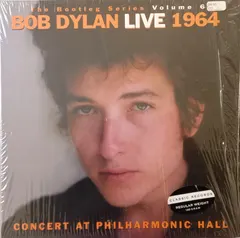
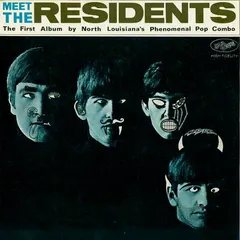




JunkPal may earn a commission when you buy through eBay links, at no extra cost to you.
What’s worth the most
Ranked on medians of real closed eBay sales, not asking prices.