What does “vinyl collector” mean?
What it means
A vinyl collector is a buyer whose primary motivation is acquisition and preservation, not just casual playback. This niche separates casual listeners from dedicated hobbyists. While listening is a byproduct, the focus is on the object itself: the physical artifact. Collectors prioritize scarcity, condition (grading), and historical significance over mere sonic quality. The mainstream equivalent is a specialized hobbyist, but the vinyl collector operates within a market driven by record-specific provenance—who pressed it, when, and how many were made.
What it does to price
Collector demand creates significant price stratification. A standard, well-loved copy sells based on market availability; a collector-grade item commands a premium. First pressings or sealed, dead-stock copies can fetch 2x to 5x the price of a used, played copy of the same pressing. Limited edition variants (e.g., colored vinyl, specific label runs) can multiply value by 3x or more depending on documented scarcity. A common mistake is underestimating the value of a specific variant; a common pressing of a moderately desirable album might sell for $20, but a documented first pressing variant could easily sell for $80-$100.
How to spot it
Authentication requires looking beyond the cover. Key identifiers include matrix/runout numbers etched into the vinyl near the label—these identify the specific mastering run. Label variations (e.g., different color inks, small logo changes on the record label) are critical markers. For pressings, check the sleeve details; early printings may have different catalog numbers or text placement. Sellers must provide high-resolution photos of the dead wax area and the spine/seam of the sleeve. Common mistakes involve sellers misidentifying a later reissue as a first pressing.
Buying smart
Paying a premium is warranted when the item possesses verifiable scarcity or historical importance. If the record is a known, documented first pressing, a sought-after limited colorway, or comes with original inserts/sleeves (CIB - Complete In Box), the higher price reflects the artifact's collectible status. It is not worth the premium for a common reissue unless the pressing itself is exceptionally rare. A fair deal balances the documented rarity against the asking price; if the market consensus for that specific pressing is $X, paying 1.5x to 2x that is often acceptable for guaranteed condition.
Selling smart
Listing must provide the evidence collectors demand. Simply stating "First Pressing" is insufficient. The listing must include clear photos of the matrix numbers and the label details. Using specific terminology—e.g., "US First Pressing, Matrix X-123," or "Limited Edition Crimson Vinyl"—immediately qualifies the item to serious buyers and justifies a higher asking price. The single most valuable addition to a listing is a clear, close-up photo of the runout groove information.
On eBay right now
Current asking prices from live listings — not sold-comp medians.


eBay links are affiliate links: JunkPal may earn a commission at no cost to you.
Resale values related to vinyl collector
Shop vinyl collector on eBay ↗
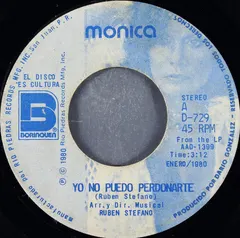
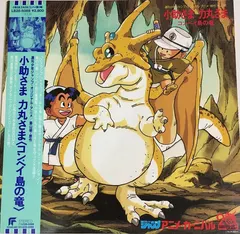

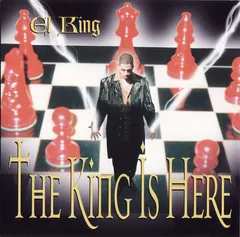
JunkPal may earn a commission when you buy through eBay links, at no extra cost to you.
What’s worth the most
Ranked on medians of real closed eBay sales, not asking prices.