What does “variant pressing” mean?
What it means
A variant pressing is any specific production run of a vinyl record that deviates from the standard, mass-market release. This is not merely a reissue; it is a distinct physical artifact. Differences can range from aesthetic changes—such as colored, splatter, or translucent vinyl—to technical alterations like unique matrix/runout etchings, specific label variations, or packaging modifications (e.g., sticker placement, unique inserts). The mainstream equivalent is a "special edition," but in collecting, the term implies a documented, often limited, deviation from the primary pressing.
What it does to price
The value multiplier depends entirely on scarcity and demand. A sought-after, documented variant pressing can command 2x to 10x the price of a standard pressing, depending on the rarity level. Minor aesthetic variations (e.g., different colored label) might yield a 1.2x to 1.5x premium. Significant, limited-run variants (e.g., numbered, unique colorways) can see multipliers exceeding 5x. A common error or an unverified, minor aesthetic shift will likely see no price increase, or potentially a slight decrease if it suggests poor quality control. For example, a standard pressing selling for $30 might jump to $60-$90 if it is confirmed as a highly limited, unique color variant.
How to spot it
Verification requires close inspection. Check the vinyl itself for color shifts or specific markings. Examine the sleeve for unique print runs, such as different barcode placements or specific text variations on the back cover. The most reliable indicators are the matrix/runout etchings—these alphanumeric codes often denote the specific pressing plant or run number. Sellers must provide high-resolution photos of the dead wax area and the entire sleeve. Common pitfalls include "bootlegs" or unauthorized reissues that mimic variants; these lack verifiable production codes.
Buying smart
Paying a premium is justified only when the variant is documented as genuinely rare or limited by the label or distributor. If the variant is common within a specific region or was produced in high volume, the premium is unwarranted. A fair deal requires the seller to provide proof of the variant status, ideally linking to established collector databases. If the seller cannot definitively prove the variant status, the price should be benchmarked against the standard pressing price, plus a small risk premium (10-20%).
Selling smart
To maximize sale price, the listing must explicitly identify the variant and detail the distinguishing features. Do not simply state "Variant Pressing"; specify *what* the variant is (e.g., "Limited Edition Clear Vinyl Variant"). The single most valuable piece of evidence is a clear, well-lit photograph of the matrix/runout etchings, as this is the technical proof of the specific pressing run. Accurately describing the deviation moves the item from a generic record to a specific collectible asset.
On eBay right now
Current asking prices from live listings — not sold-comp medians.


eBay links are affiliate links: JunkPal may earn a commission at no cost to you.
Resale values related to variant pressing
Shop variant pressing on eBay ↗
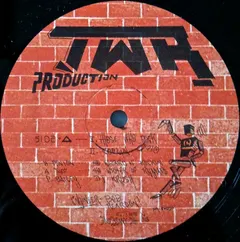
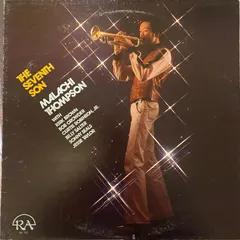


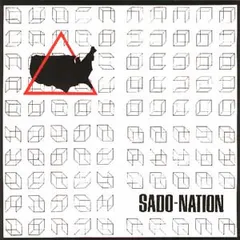


JunkPal may earn a commission when you buy through eBay links, at no extra cost to you.
What’s worth the most
Ranked on medians of real closed eBay sales, not asking prices.