What does “surround sound” mean?
What it means
In the context of vinyl, "surround sound" does not refer to a standard playback format like stereo or mono. It is marketing terminology applied to vinyl releases intended for high-end, multi-channel audio reproduction. The mainstream equivalent is a complex, multi-speaker setup (like 5.1 or 7.1), but on vinyl, it signifies a recording engineered or presented as part of a specialized, immersive audio package. This usually means the mastering process accounts for spatial separation across multiple channels, even if the vinyl itself is pressed in standard stereo. For collectors, it denotes an audiophile-grade, often limited-run release focused on sonic depth rather than standard consumer playback.
What it does to price
The designation "surround sound" acts as a scarcity and quality indicator, justifying a price premium. A CIB (Complete In Box) copy of a known surround-engineered release typically fetches 1.8x to 3.5x the price of a standard pressing in similar condition. Factors pushing the price up include verifiable limited edition numbering and packaging complexity. A factor pushing the price down is vague marketing; if the record is merely *labeled* as surround without verifiable technical evidence, the premium is negligible. For example, a standard pressing of a niche electronic album might sell for $40; the verified surround edition could command $100-$120.
How to spot it
Look beyond the cover art. The tell is usually found in the liner notes or the runout groove etchings. True audiophile releases often feature specific mastering engineer credits or mention the intended playback system in the documentation. Check the catalog number against known releases; if the number correlates with a known limited "immersive" run, the designation is likely accurate. A common honest mistake is a re-issue using the term loosely for deep bass, which does not equate to true surround engineering. Fakes are rare but appear when generic packaging is slapped onto standard pressings; always cross-reference the matrix numbers.
Buying smart
Paying a significant premium is warranted only when the release is demonstrably limited, signed, or comes with accompanying specialized hardware/documentation that confirms the surround intent. If the premium is solely based on the word "surround" without supporting evidence of specialized mastering or limited pressing, the extra cost is speculative risk. A fair deal involves the asking price being within 20% of comparable, verified limited editions. If the seller cannot provide proof of the specialized nature of the pressing, treat it as a standard, high-end stereo release.
Selling smart
Proving the specialized nature of the record converts perceived value into realized value. Do not just list "Surround Sound." The listing must state: "Verified Multi-Channel Engineered Release" or "Limited Edition Audiophile Pressing." The single most effective element is a clear, high-resolution photo of the liner notes or the matrix/runout groove showing any specific technical identifiers. This documentation moves the item from "niche collectible" to "verified audiophile artifact," commanding the top end of the established price range.
On eBay right now
Current asking prices from live listings — not sold-comp medians.

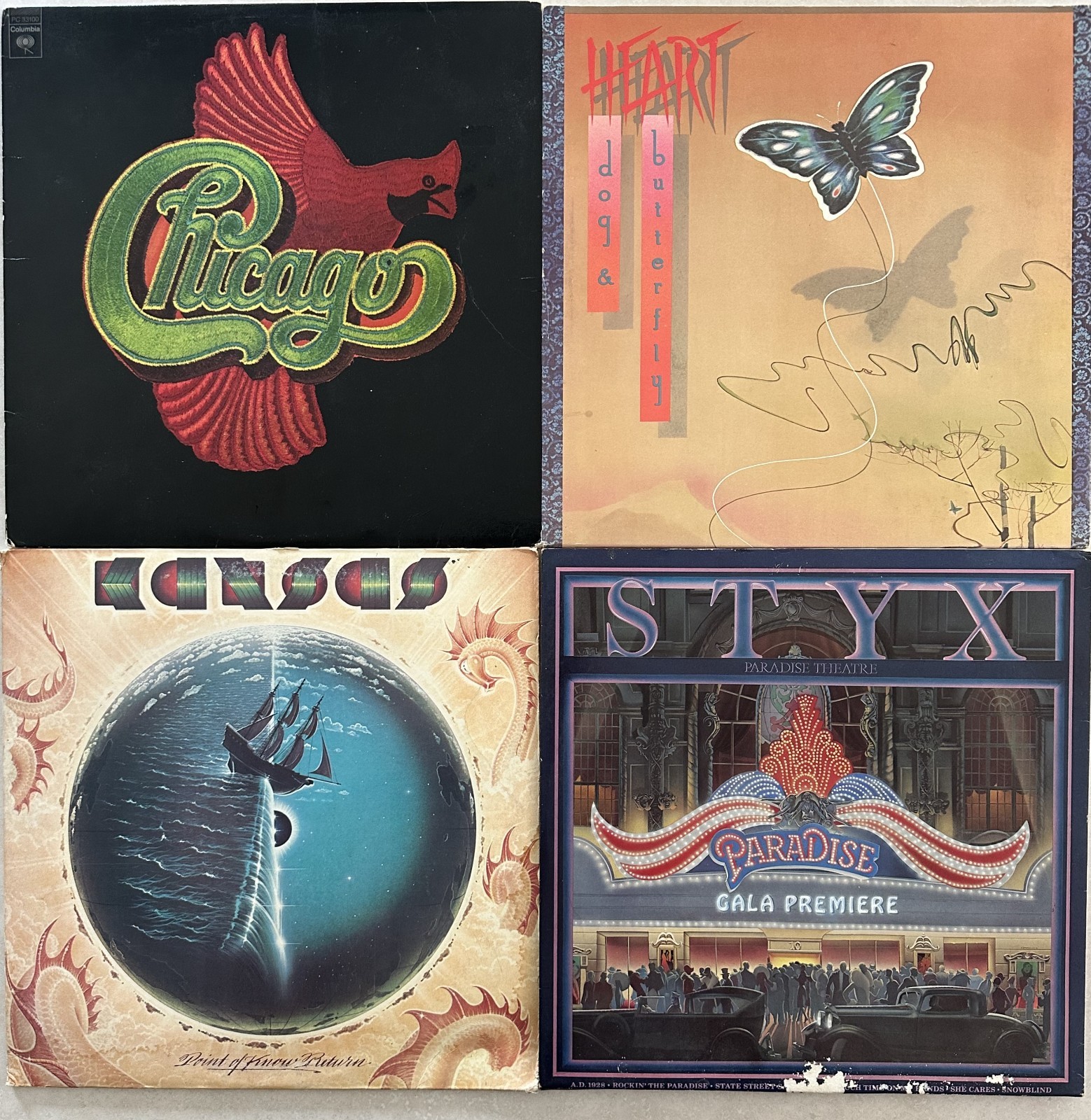
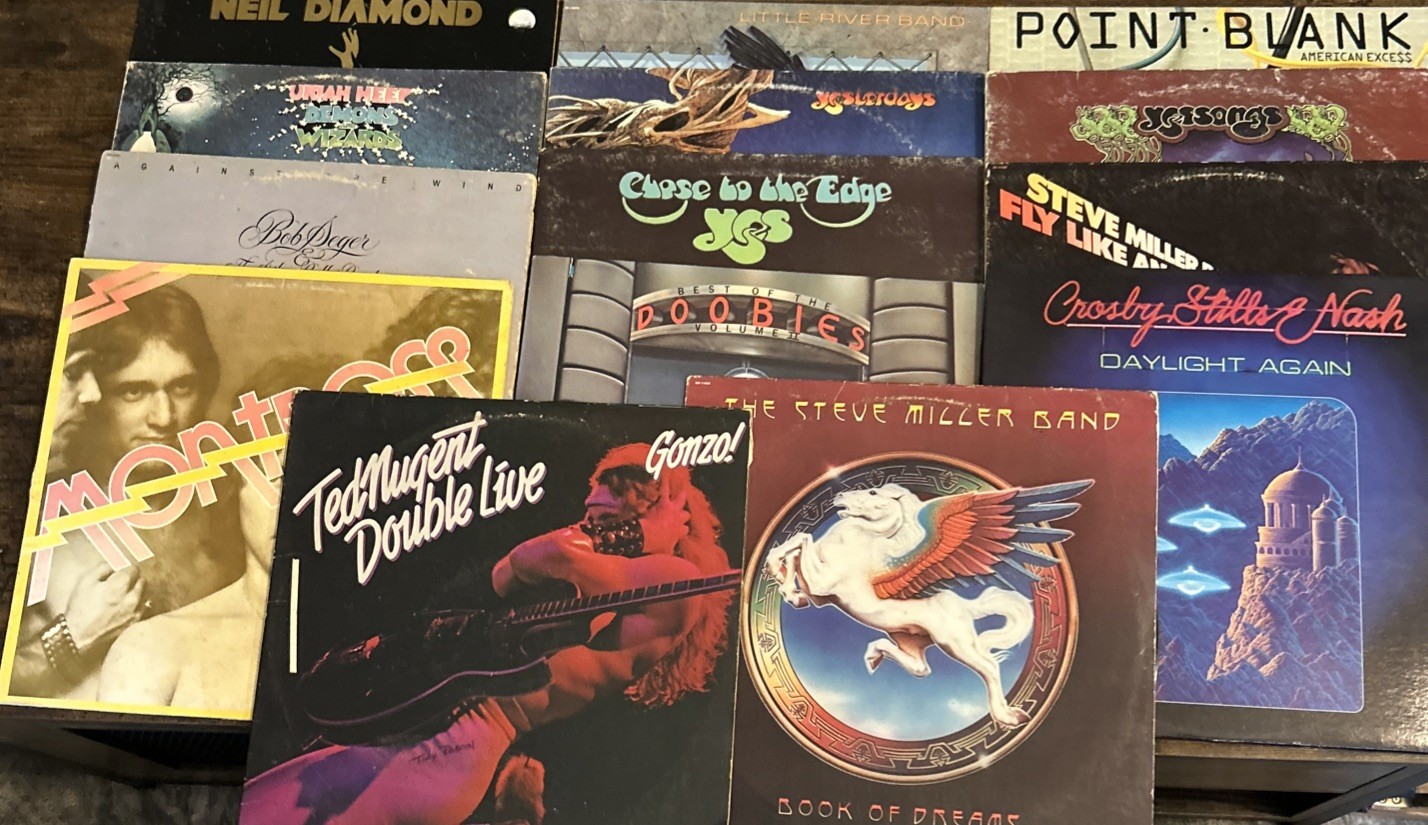


eBay links are affiliate links: JunkPal may earn a commission at no cost to you.
Resale values related to surround sound
Shop surround sound on eBay ↗






JunkPal may earn a commission when you buy through eBay links, at no extra cost to you.
What’s worth the most
Ranked on medians of real closed eBay sales, not asking prices.