What does “subsequent pressing” mean?
What it means
A subsequent pressing is any vinyl record manufactured after the initial, first pressing of the same album. This is not simply a re-release; it refers to any subsequent manufacturing run, regardless of whether the label is the same. The term covers everything from a minor color variation to a complete remastering campaign. The primary difference from a reissue is that a subsequent pressing is often an unplanned, smaller run, whereas a reissue is a deliberate, marketed re-release. Quality variation is extreme; some later pressings are direct copies with minor updates, while others feature completely different mastering engineers or vinyl compounds.
What it does to price
The original pressing commands the highest premium, often achieving 2x to 5x the price of a standard subsequent pressing, provided the original is in good condition. Subsequent pressings are a spectrum. A well-regarded, high-quality reissue (e.g., a modern audiophile pressing) can hold value comparable to a mid-tier original, sometimes fetching 1.5x the price of a common, low-quality later run. Conversely, a poorly executed, mass-market subsequent pressing can sell for 20-30% of the original pressing's value. A $50 original pressing might see a subsequent pressing sell for $25 to $40, depending on the quality markers.
How to spot it
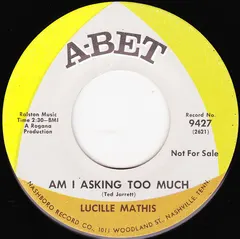
Verification relies on physical evidence. Check the matrix/runout groove etchings; these codes track the specific stamper used, which changes between pressings. Look for label variations—changes in font, color, or tiny text placement are key indicators. Packaging differences, such as updated sleeve artwork or different inner sleeve stock, also signal a later run. Sellers must provide high-resolution photos of the label and the dead wax area. Be wary of "bootlegs" masquerading as official subsequent pressings; these often lack correct matrix numbering entirely.
Buying smart
Paying a premium for a subsequent pressing is justified only when the pressing has documented sonic superiority or significant collectible provenance (e.g., a specific limited color variant). If the goal is simply to own the music cheaply, a later, standard pressing is fine. The premium is not for the music itself, but for the historical artifact. A fair deal for a subsequent pressing is one priced significantly below the known market value of the original pressing, especially if the quality markers are ambiguous.
Selling smart
Listing a subsequent pressing requires precise identification. Do not list it generically. Specify the pressing date, label variation, and note any distinguishing features (e.g., "First US Subsequent Pressing, 1988"). This detail moves the item from a generic used record to a specific collectible variant. The one element that earns the premium is clear documentation of the matrix numbers, proving its place in the manufacturing timeline.
On eBay right now
Current asking prices from live listings — not sold-comp medians.


eBay links are affiliate links: JunkPal may earn a commission at no cost to you.
Resale values related to subsequent pressing
Shop subsequent pressing on eBay ↗


JunkPal may earn a commission when you buy through eBay links, at no extra cost to you.
What’s worth the most
Ranked on medians of real closed eBay sales, not asking prices.