What does “split color” mean?
What it means
Split color describes a vinyl record pressing where the vinyl material itself exhibits a deliberate, non-uniform color shift. This is not surface marbling or paint; the color change is integral to the vinyl compound, visible across the grooves or demarcated between distinct sections of the disc. The mainstream equivalent is simply "color variation," but in the collecting niche, "split color" denotes a specific, intentional manufacturing technique, such as a gradient or a hard division between two or more colors (e.g., red fading into white). This feature distinguishes it from standard colored vinyl, which maintains a consistent hue across the entire surface.
What it does to price
Split color variants command a significant premium over standard black or solid-colored pressings. Depending on the rarity and demand of the specific release, a sealed, mint-condition (CIB) copy typically fetches 1.8x to 4x the price of its standard counterpart. Factors pushing the price up include limited pressing numbers, unique artist collaborations, and high visual appeal. Conversely, if the color shift is uneven, patchy, or appears inconsistent across multiple copies, the premium can drop by 30-50%. For example, a standard pressing might sell for $40; a verified, high-quality split color variant could easily reach $80-$160.
How to spot it
The telltale sign is the smooth, intentional transition or sharp boundary between two distinct colors embedded within the vinyl structure. Examine the record under bright, direct light. If the color change appears to be a superficial layer or a defect (like ink bleed or uneven dye application), it is a manufacturing flaw, not a collectible feature. Check the sleeve notes or matrix etchings; limited edition runs often specify the vinyl type. Sellers should provide high-resolution, well-lit photos showing the color transition across the entire surface, not just a small corner. Watch for "factory error" descriptions, which signal a non-valuable mistake.
Buying smart
Paying a premium for split color is justified when the record is from a highly sought-after artist, a known limited run, or a highly desirable aesthetic release. The premium is worth it when the visual quality of the color transition is flawless and consistent. Avoid paying top-tier prices for split color if the record is an easily obtainable, high-volume pressing. A fair deal involves the asking price reflecting the documented scarcity; if the seller cannot provide verifiable proof of limited edition status, the premium should be significantly discounted.
Selling smart
Listing must explicitly use the term "Split Color" and detail the exact transition (e.g., "Blue to Orange Gradient"). Generic descriptions lead to undervaluation. The single most valuable asset in a listing is a macro photograph taken under strong light that clearly captures the color shift across the grooves. Include a note confirming the color change is intentional. This documentation shifts the item from a "colored vinyl" to a "premium variant," justifying the highest possible asking price.
On eBay right now
Current asking prices from live listings — not sold-comp medians.


eBay links are affiliate links: JunkPal may earn a commission at no cost to you.
Resale values related to split color
Shop split color on eBay ↗
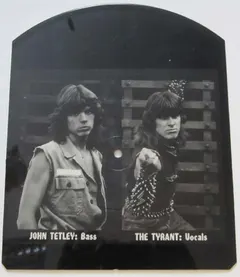
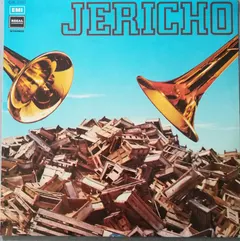
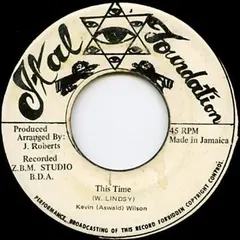

JunkPal may earn a commission when you buy through eBay links, at no extra cost to you.
What’s worth the most
Ranked on medians of real closed eBay sales, not asking prices.