What does “splatter vinyl” mean?
What it means
Splatter vinyl refers to vinyl records featuring intentional or accidental ink, paint, or dye markings across the surface. The mainstream equivalent is surface contamination or aesthetic variation. In the collecting niche, the classification hinges entirely on origin. If the markings are part of the approved artwork or pressing design—often labeled as "splatter edition" or "artistic variant"—it is a deliberate feature. If the markings are random, uneven, and appear to be residue from the manufacturing process (e.g., ink bleed from the stamper or packaging), it is a quality control defect. The visual effect ranges from subtle, light speckling to heavy, vibrant color distribution.
What it does to price
The impact on price is binary: intentional vs. accidental. A deliberate, high-quality splatter edition can command a 1.8x to 3.5x premium over a clean, standard pressing, depending on the artist's reputation and the rarity of the variant. Conversely, significant, heavy, or distracting accidental splatter reduces value. A record with noticeable, non-artistic splatter might see a 15-30% discount compared to a pristine copy. For example, a standard pressing of a sought-after indie release might sell for \$40; the same record with intentional, approved splatter could fetch \$70-\$100.
How to spot it
Identification requires close inspection of the physical object and associated documentation. Intentional splatter is usually documented on the sleeve art, liner notes, or official press release. Look for consistent patterns or colors that match the advertised aesthetic. Accidental splatter often appears as streaks, blotches, or uneven residue that does not align with the artwork. Sellers must provide high-resolution, direct-light photos of the vinyl surface, not just the sleeve. Fakes or misrepresentations often involve sellers claiming "artistic splatter" when the markings are clearly manufacturing debris.
Buying smart
Paying a premium for splatter vinyl is justified only when the splatter is confirmed as an intentional, limited-run artistic feature. This applies primarily to modern, hyped releases or highly sought-after variant pressings. Avoid paying a premium if the splatter appears random, excessive, or obscures significant portions of the record surface, as this signals poor quality control. A fair deal involves the asking price reflecting the documented scarcity of the specific variant, not just the base album price.
Selling smart
To maximize resale value, the listing must definitively categorize the splatter. If it is intentional, use precise terminology like "Artistic Splatter Edition" and reference the specific pressing run. If it is a defect, label it accurately as "Manufacturing Variant" or "Surface Splatter." The single most valuable asset in a listing is a macro photograph clearly isolating the splatter pattern, allowing potential buyers to verify the quality and intent of the markings before purchase.
On eBay right now
Current asking prices from live listings — not sold-comp medians.


eBay links are affiliate links: JunkPal may earn a commission at no cost to you.
Resale values related to splatter vinyl
Shop splatter vinyl on eBay ↗
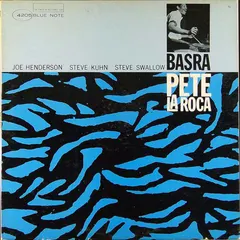



JunkPal may earn a commission when you buy through eBay links, at no extra cost to you.
What’s worth the most
Ranked on medians of real closed eBay sales, not asking prices.