What does “splatter effect” mean?
What it means
Splatter effect refers to unintended, random deposits of ink, paint, or residue on the vinyl surface. This is not a standard manufacturing defect like a scratch or warp, but rather a surface contamination issue. In the mainstream audio collecting community, this is categorized under surface noise or aesthetic damage, similar to dust spotting, but usually more pronounced. When intentional, it is termed "artistic splatter" and is a design choice. The distinction between accidental contamination and intentional design is critical for valuation.
What it does to price
Unintentional splatter significantly depreciates value. A pristine, Near Mint (NM) copy commands the highest premium. If splatter is present and not part of the intended artwork, it typically drops the grade by one or two steps (e.g., from NM to VG+). This can result in a 20–40% reduction in asking price compared to a clean counterpart. For a desirable, sought-after pressing, heavy, distracting splatter could reduce value by $30–$75 or more, depending on the record’s market ceiling. Conversely, if the splatter is confirmed as an intentional, documented feature of a limited edition, it can act as a positive scarcity marker, potentially increasing value by 10–25% for niche buyers.
How to spot it
Inspect the record under a bright, angled light source. Accidental splatter appears irregular, often clustered, and inconsistent in color or texture across the surface. Intentional splatter will usually follow a pattern or be consistent with the advertised artwork (e.g., paint drips). Sellers must provide high-resolution, close-up photos of the label and the entire playing surface, both side-to-side. A common mistake is mistaking dust settled on the surface for actual ink splatter; dust usually wipes away easily or appears as fine, uniform particles.
Buying smart
Paying a premium for splatter is only justified when the splatter is explicitly advertised, documented, and integral to the record’s artistic concept. If the record is being sold as a "Mint" copy and exhibits random ink spots, it is not a fair deal. A fair purchase involves a price that reflects the *highest* grade achievable, minus a discount equivalent to the visible contamination. If the splatter is minor (a few pinpricks) and the pressing quality is otherwise excellent, it might be acceptable for a slight discount (5–10%).
Selling smart
When selling, the description must be surgically precise. If the splatter is accidental, list it clearly under "Surface Marks" or "Minor Contamination" and assign the appropriate, lower grade (e.g., VG+). This manages buyer expectations and prevents returns. If the splatter is intentional, use the exact terminology: "Artistic Splatter Effect" or "Intentional Paint Splatter." The single most valuable addition to the listing is a close-up photo clearly showing the splatter pattern alongside the album art, confirming it is a feature, not a flaw.
On eBay right now
Current asking prices from live listings — not sold-comp medians.


eBay links are affiliate links: JunkPal may earn a commission at no cost to you.
Resale values related to splatter effect
Shop splatter effect on eBay ↗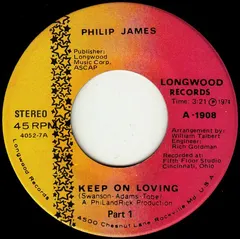



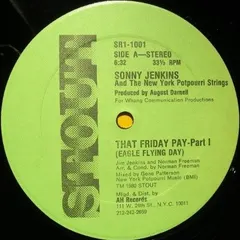


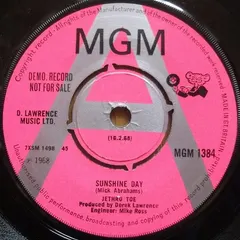
JunkPal may earn a commission when you buy through eBay links, at no extra cost to you.
What’s worth the most
Ranked on medians of real closed eBay sales, not asking prices.