What does “small batch” mean?
What it means
"Small batch" in vinyl refers to a record pressed in a deliberately limited quantity, contrasting sharply with standard, large-run commercial pressings. This is not merely a matter of a limited edition sticker; it denotes a specific, controlled production run. Mainstream equivalent: Limited Edition. The scarcity is the defining factor. These runs are often tied to specific pressing plants, vinyl weights, or unique colorways that production facilities do not typically use for mass distribution. The term implies intentional scarcity, not accidental low yield.
What it does to price
Scarcity directly translates to a premium. A standard pressing might sell loose for \$20. A genuine, documented small batch copy, in Near Mint (NM) condition, typically fetches 2x to 5x that price, ranging from \$40 to \$100+ depending on the artist's demand. Factors pushing the price up include verifiable low run numbers (e.g., under 1,000 units) and high-demand artists. Factors pulling the price down include poor condition or vague provenance. For example, a small batch pressing of a niche indie band might only command a 1.2x premium, whereas a small batch pressing of a major act can easily command 4x or more.
How to spot it
Verification requires more than just the packaging. Look for specific identifiers: unique matrix/runout codes etched into the vinyl, specific color variations not used in standard releases, or numbered sleeves. Sellers must provide proof of the pressing run, such as documentation from the label or mastering engineer. Common pitfalls include "reissues" marketed as small batch; these are often large runs using old masters. Always request high-resolution photos of the inner sleeve, the label itself, and the runout groove area. Fakes often have blurry or inconsistent matrix stamps.
Buying smart
Paying a premium is justified when the record is in high-grade condition (NM or better) and the scarcity is verifiable. If the record is heavily played (VG+ or worse), the premium evaporates, and the price should regress toward standard market rates. A fair deal involves the asking price being within 1.5x to 3x the established market rate for a standard pressing, provided the scarcity is proven. If the seller cannot provide clear evidence of the limited nature, the premium is unwarranted risk.
Selling smart
Proving the small batch status is the primary driver of increased realized value. Listing details must explicitly state the verifiable scarcity (e.g., "Limited Run of 500," "Exclusive Colorway Pressing"). The single most effective element in a listing is a clear, close-up photo of the matrix/runout code, showing any unique identifiers. Using the phrase "Verified Small Batch" in the title, backed by photographic evidence, allows the seller to command the top end of the price spectrum, often achieving 4x or higher returns compared to listing it as a standard pressing.
On eBay right now
Current asking prices from live listings — not sold-comp medians.


eBay links are affiliate links: JunkPal may earn a commission at no cost to you.
Resale values related to small batch
Shop small batch on eBay ↗

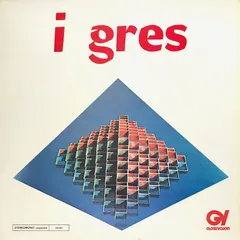
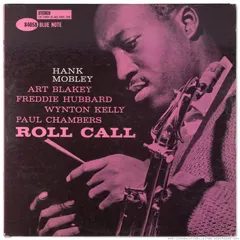




JunkPal may earn a commission when you buy through eBay links, at no extra cost to you.
What’s worth the most
Ranked on medians of real closed eBay sales, not asking prices.