What does “sleeved vinyl” mean?
What it means
Sleeved vinyl refers to a vinyl record housed within an outer protective sleeve, commonly known as an outer jacket sleeve or dust cover. This is standard practice for most collectible LPs. The term does not refer to the vinyl being *made* of vinyl, but rather the packaging surrounding it. The sleeve's function is protection: shielding the original cardboard jacket from dust, abrasion, and environmental contaminants. In grading, the sleeve condition is treated as a separate component of the overall record package (e.g., Mint Media/NM Sleeve). A sleeve that is present and intact is expected; its *condition* dictates the value modifier.
What it does to price
The presence of a sleeve is baseline; the *quality* of the sleeve drives price adjustments. A sleeve in Near Mint (NM) condition can add a 10% to 25% premium over the same record sold "loose" (without the jacket). A sleeve showing significant wear—such as heavy ring wear (a circular mark where the record presses against the sleeve) or seam splits—can result in a 20% to 40% depreciation, even if the vinyl pressing itself is Mint. For example, a highly desirable first pressing with a pristine, archival-quality sleeve might command $300, while the same pressing with a heavily ring-worn sleeve might drop to $200.
How to spot it
The tell is simple: the record is encased in a separate piece of paper or plastic that covers the original jacket. Collectors should verify if the sleeve is the original factory-supplied jacket or a modern aftermarket protective sleeve. Original jackets are identifiable by printing quality, specific manufacturer stamps, and the material texture. Sellers should provide high-resolution photos of all four corners and the spine. Common honest mistakes involve using generic, unbranded sleeves on rare pressings, which immediately lowers perceived authenticity. Fakes are rare regarding the sleeve itself, but poor reproduction of the jacket art *within* the sleeve is a red flag.
Buying smart
Paying a premium for a sleeved copy is justified when the sleeve is graded NM or Near Mint, especially for high-value, fragile, or first-pressing records. If the record is common or low-value, the premium for a perfect sleeve is negligible; the cost of the sleeve protection is minimal compared to the record's base price. Avoid paying a significant premium if the sleeve is present but visibly damaged (e.g., corner dings or moisture stains). A fair deal involves the sleeve condition matching the grade advertised for the overall package.
Selling smart
Listing the sleeve condition accurately is the primary driver of sale price. Do not list a record as "NM" if the sleeve is heavily worn. Use specific grading terminology (e.g., "NM Vinyl / VG+ Sleeve"). The one photo that earns the premium is a close-up, well-lit shot of the sleeve's spine and corners, clearly showing the absence of seam splits or major scuffs. A simple, honest description like "Original Sleeve - NM" signals care and justifies the higher asking price to informed buyers.
On eBay right now
Current asking prices from live listings — not sold-comp medians.


eBay links are affiliate links: JunkPal may earn a commission at no cost to you.
Resale values related to sleeved vinyl
Shop sleeved vinyl on eBay ↗
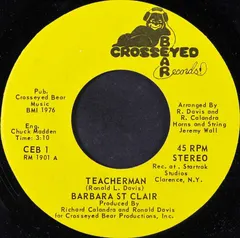



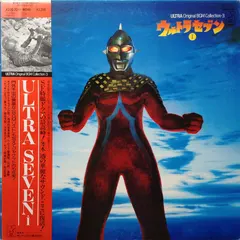

JunkPal may earn a commission when you buy through eBay links, at no extra cost to you.
What’s worth the most
Ranked on medians of real closed eBay sales, not asking prices.