What does “second pressing” mean?
What it means
A second pressing is a manufacturing run of a vinyl record that occurs after the initial, first pressing. This is not synonymous with a reissue, which implies a complete remastering or re-packaging for a new market. A second pressing uses the original master tapes or very close source material but is physically distinct from the first run. For collectors, the distinction matters because the first pressing represents the initial, often most scarce, production batch. A second pressing is simply the second batch manufactured under the same general release parameters.
What it does to price
Generally, a second pressing commands a lower price than a first pressing of the same condition. The price difference is usually a 20% to 50% reduction compared to a confirmed first pressing, assuming comparable condition (e.g., VG+ to VG+). The value can spike if the second pressing was a short, highly localized run or featured unique, unadvertised packaging variations. Conversely, if the second pressing is a common, large-scale run, its value drops further. For example, a common second pressing might sell for $30 when a confirmed first pressing of the same record sells for $45.
How to spot it
Identification relies on physical evidence. The most reliable markers are the runout groove etchings (also called matrix numbers or dead wax codes). These codes change between pressing runs. Look for sequential numbering or specific identifiers that differ from the known first pressing codes. Sleeve matrix numbers, if present, can also indicate the pressing sequence. Sellers should provide high-resolution photos of the label, the center sticker, and the runout grooves. A common mistake is confusing a second pressing with a simple "reissue," which usually has different catalog numbers or mastering information entirely.
Buying smart
Paying a significant premium for a second pressing is only justified when the specific second pressing possesses verifiable scarcity—such as a known short-run variant or unique label variation—or if the record is otherwise impossible to find in good condition. If the second pressing is a standard, high-volume run, the cost difference is not worth the risk. A fair deal for a standard second pressing should reflect its secondary status; if the price is within 10% of a confirmed first pressing, further verification is required.
Selling smart
Proving the pressing sequence in a listing directly dictates the price ceiling. Listing the record as "Second Pressing" sets a clear expectation for buyers. The single most effective element in a listing is a clear, zoomed-in photo of the runout groove etching, with the matrix number visible. Including the specific matrix code in the description allows knowledgeable buyers to immediately verify the pressing, which builds trust and justifies the listed price point for that specific run.
On eBay right now
Current asking prices from live listings — not sold-comp medians.


eBay links are affiliate links: JunkPal may earn a commission at no cost to you.
Resale values related to second pressing
Shop second pressing on eBay ↗


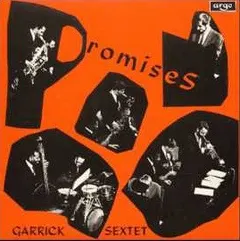
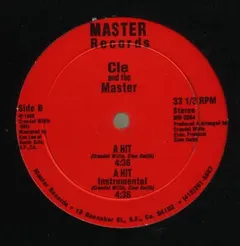


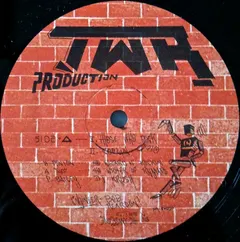
JunkPal may earn a commission when you buy through eBay links, at no extra cost to you.
What’s worth the most
Ranked on medians of real closed eBay sales, not asking prices.