What does “runout groove etching” mean?
What it means
Runout groove etching, often called matrix markings or dead wax information, is the specific, non-grooved text, numbers, or symbols pressed or etched into the vinyl surface between the last groove and the record label. This area is the "dead wax." These markings are not part of the music playback. They serve as the manufacturing fingerprint. They identify the mastering engineer (often initials), the specific pressing plant, the lacquer cut number, and the sequential pressing run. For a reseller, this is the primary method of verifying if a record is an original first pressing, a specific limited edition, or a later reissue.
What it does to price
The presence of desirable, unique, or early runout etchings directly correlates with value. A record with known, desirable matrix numbers from a first pressing can fetch 2x to 5x the price of a generic reissue lacking specific identifiers. Conversely, smudged, poorly etched, or completely absent markings can reduce value by 15-25% because they prevent positive identification. If a sought-after pressing is confirmed via clear matrix markings, a $50 record can easily command $100+. Conversely, a common pressing with generic, unidentifiable etchings will sell near market average.
How to spot it
Inspection requires magnification (10x minimum) and bright, direct lighting aimed at the dead wax. Look for stamped numbers (often in a square area) versus hand-etched script (more artisanal). Key identifiers include the catalog number repeated in the runout, engineer initials (e.g., "AD" for Analog Dynamics), and specific plant codes. A common mistake is confusing the runout etchings with surface dust or scratches. Fakes sometimes feature generic, unverified matrix numbers. Always request high-resolution photos of the dead wax area, specifically showing the entire field of markings, before purchasing.
Buying smart
Paying a premium for runout groove etching is justified when the markings definitively confirm a highly sought-after, scarce pressing (e.g., a specific mono pressing or an early limited run). If the markings only suggest a potential variant without clear confirmation, the premium is speculative and risky. A fair deal involves the asking price reflecting the *certainty* of the pressing. If a seller claims "first pressing" but the etchings are ambiguous, the price should be discounted until verification is possible.
Selling smart
To maximize return, the listing must explicitly detail the runout groove etchings. Do not just state "First Pressing." Instead, state: "Dead Wax: Matrix #A-1/B-2, Etched by [Engineer Initials]." This specificity allows knowledgeable buyers to immediately verify authenticity and value. The single most effective asset is a close-up, well-lit photograph of the dead wax area, clearly showing the numbers and script. This transforms the listing from a general sale into a verified collectible transaction.
On eBay right now
Current asking prices from live listings — not sold-comp medians.


eBay links are affiliate links: JunkPal may earn a commission at no cost to you.
Resale values related to runout groove etching
Shop runout groove etching on eBay ↗


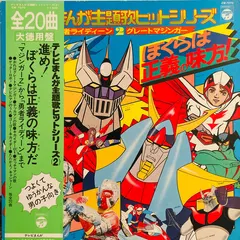
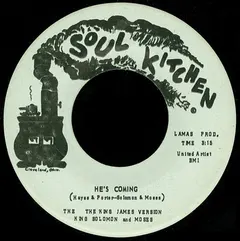
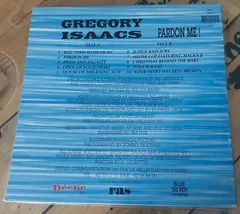
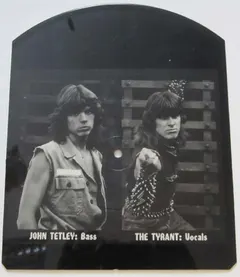

JunkPal may earn a commission when you buy through eBay links, at no extra cost to you.
What’s worth the most
Ranked on medians of real closed eBay sales, not asking prices.