What does RPM stand for?
What it means
RPM stands for Revolutions Per Minute. It is the rotational speed at which a vinyl record spins. Standard speeds are 33 1/3 RPM (for LPs), 45 RPM (for singles), and 78 RPM (for older shellac/early vinyl). This speed directly determines the pitch and sonic characteristics of the music. For collectors, RPM is a critical identifier. A record pressed for 33 1/3 RPM will sound incorrect, often too fast or too slow, if played at 45 RPM. Speed variations can also denote different mastering engineers, specific regional pressings, or original intended formats, making it a key piece of cataloging data.
What it does to price
Correct RPM is foundational to valuation. Mislabeling a record's speed, or selling it as a specific speed when it is not, can trigger immediate devaluation or rejection by knowledgeable buyers. If a sought-after original pressing is known to be a specific speed variant (e.g., a rare 78 RPM jazz pressing), confirming that speed can add a 20-40% premium over a generic listing. Conversely, if a record is listed as 33 1/3 RPM but is physically 45 RPM, the listing is inaccurate, and the price will likely drop by 30-50% immediately upon discovery.
How to spot it
The primary indicator is the label itself. The speed (e.g., "33 1/3") is almost always printed prominently on the center label. Verification requires checking the label against the physical record and the intended playback turntable. Some very old pressings might have the speed etched into the run-out groove near the label, though this is rare. Honest mistakes usually involve poor label scanning or incorrect cataloging by the seller. Fakes are rare concerning speed, as the speed is inherent to the pressing mold, but incorrect identification of a specific speed variant is common among casual sellers.
Buying smart
Paying a premium based on RPM is only justified when the speed is tied to a known, desirable variant or a specific historical context. For example, acquiring a known early pressing that was mastered specifically for 78 RPM playback commands a higher price than a later, standard 33 1/3 RPM reissue. If the speed is standard (e.g., 33 1/3 RPM for an LP), paying extra solely for the speed confirmation is unwarranted. A fair deal confirms the stated speed matches the label and is priced appropriately for the condition and pressing quality, not just the rotational speed.
Selling smart
Listing the correct RPM is non-negotiable for maximizing sale price. It moves the item from a general "vinyl LP" listing to a specific, verifiable collectible. Stating "33 1/3 RPM" allows the listing to attract buyers specifically searching for that format or pressing characteristic. The single most effective action is including a high-resolution photo of the center label clearly showing the speed designation. This eliminates buyer doubt, prevents disputes, and allows the seller to command the premium associated with accurate, detailed cataloging.
On eBay right now
Current asking prices from live listings — not sold-comp medians.


eBay links are affiliate links: JunkPal may earn a commission at no cost to you.
Resale values related to RPM
Shop RPM on eBay ↗
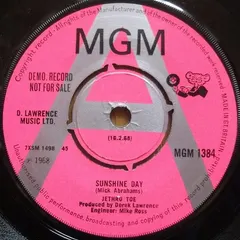



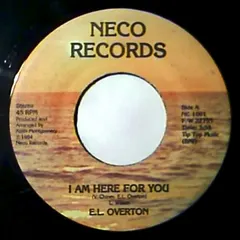
JunkPal may earn a commission when you buy through eBay links, at no extra cost to you.
What’s worth the most
Ranked on medians of real closed eBay sales, not asking prices.