What does “repressing” mean?
What it means
"Repressing" refers to the physical act of manufacturing a vinyl record. It is the process where the master audio is physically stamped or molded onto a vinyl disc. For collectors and resellers, the term is synonymous with "pressing." This is not just a generic term for the music being on the disc; it identifies the specific production run. Different pressings—whether they are first runs, subsequent reissues, or limited variants—are distinct physical products. These variations affect the mastering, vinyl weight, color, and packaging. The pressing information dictates the record's provenance and collectible status.
What it does to price
Pressing quality and rarity create concrete valuation tiers. A true, early first pressing of a sought-after album can fetch 2x to 5x the price of a standard modern reissue, assuming similar condition. Conversely, a later, poorly mastered pressing or a known bootleg pressing will trade at 30-50% less than the original. A significant jump occurs when a pressing is identified as a limited edition variant (e.g., colored vinyl, specific sleeve art). For example, a standard black vinyl copy might sell for \$40, whereas the same album in a verified, limited-run splatter pressing can easily command \$120–\$150.
How to spot it
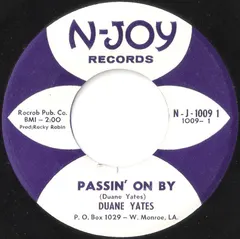
Identification relies on specific physical markers. The most reliable indicators are the matrix/runout groove etchings—the alphanumeric codes pressed into the vinyl surface near the label. These codes often denote the pressing plant, lacquer cut number, and specific pressing sequence. Look at the label itself for catalog numbers and any printed run identifiers. Sellers should provide high-resolution photos of the center label and the runout groove area. Common errors include mislabeling (a reissue being sold as a first pressing) or the use of generic, unverified pressings.
Buying smart
Paying a premium for a specific pressing is justifiable only when the scarcity or documented sonic improvement is verifiable. If the difference between a standard pressing and a sought-after variant is marginal (e.g., only a slight color change without documented mastering differences), the premium is often inflated. A fair deal involves the asking price aligning with established market data for that specific pressing variant. If a seller cannot provide clear evidence (matrix codes, provenance) supporting the claimed rarity, the purchase should be treated as a standard pressing price point.
Selling smart
Proving the pressing details directly translates to buyer confidence and higher realized value. A listing that explicitly states, "Original 1972 First Pressing, Matrix: A-1/B-1," immediately separates the item from mass-market copies. The single most effective tool is a clear, close-up photograph of the matrix/runout groove etching. This visual proof allows the buyer to verify the claim independently, justifying the premium pricing and reducing the likelihood of disputes or returns.
On eBay right now
Current asking prices from live listings — not sold-comp medians.


eBay links are affiliate links: JunkPal may earn a commission at no cost to you.
Resale values related to repressing
Shop repressing on eBay ↗





JunkPal may earn a commission when you buy through eBay links, at no extra cost to you.
What’s worth the most
Ranked on medians of real closed eBay sales, not asking prices.