What does “repressed” mean?
What it means
Repressed refers to a vinyl pressing that falls outside the main, standard production run of an album. These are secondary, often smaller-batch pressings. The term covers several specific scenarios: regional exclusives (pressings made only for a particular country), promotional copies (given out for marketing), or test pressings (early runs used for quality control before mass production). Unlike a standard pressing, a repressed edition is inherently limited. For the reseller or collector, this designation signifies scarcity. It is not merely a variant; it is a specific, non-standard production artifact.
What it does to price
Scarcity directly correlates with value. A repressed copy generally commands a higher premium than a standard pressing of the same album, assuming condition parity. The multiplier depends heavily on the known size of the run. A verifiable, small-batch repressed copy can fetch 1.5x to 4x the price of a standard pressing, depending on the album's baseline demand. If the repression is a known, highly sought-after variant (e.g., a specific promotional colorway), the multiplier can exceed 5x. Conversely, if the "repressed" label is applied incorrectly to a large, standard regional pressing, the value premium disappears. For example, a standard pressing of a mid-tier album might sell for $30; a confirmed, small-run repressed copy could easily reach $75–$100.
How to spot it
Identification relies on physical evidence, not just the sleeve. The matrix/runout groove area is the primary indicator. Look for specific identifiers, codes, or different mastering stamps that deviate from known standard pressings. Sometimes, the label itself will feature unique text or a different catalog number. Sellers must provide high-resolution photos of the label and the dead wax (the area between the label and the groove). Be wary of sellers claiming "rare" status without providing matrix codes; this is often exaggeration. Honest mistakes occur when a regional pressing is mislabeled as a true, ultra-limited test pressing.
Buying smart
Paying a premium for a repressed copy is justifiable only when the scarcity is verifiable and the album has established collector demand. If the album is obscure and the repression is undocumented, the risk is high; the premium may be paying for a label, not a rarity. A fair deal involves the seller providing clear evidence (matrix codes, provenance) that supports the claimed scarcity. If the premium pushes the price significantly above the established market rate for standard copies, the buyer must be confident in the evidence provided. If the evidence is vague, the premium is not worth the risk.
Selling smart
To maximize return, the listing must immediately establish the rarity. The single most effective element is a clear, well-lit photograph of the matrix/runout groove showing the specific codes that confirm the repression. Using the term "Repressed Edition" or "Limited Run Variant" in the title is necessary. Buyers pay for certainty. If the seller can prove the limited nature of the pressing, the buyer moves from purchasing an album to acquiring a piece of documented scarcity, which justifies the higher asking price.
On eBay right now
Current asking prices from live listings — not sold-comp medians.


eBay links are affiliate links: JunkPal may earn a commission at no cost to you.
Resale values related to repressed
Shop repressed on eBay ↗
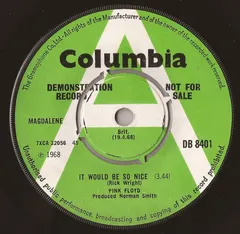

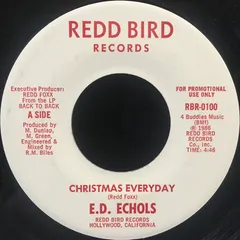



JunkPal may earn a commission when you buy through eBay links, at no extra cost to you.
What’s worth the most
Ranked on medians of real closed eBay sales, not asking prices.