What does “record condition” mean?
What it means
Record condition is the comprehensive assessment of a vinyl record's physical integrity, covering both the disc (the vinyl) and the packaging (the sleeve/jacket). This is not merely a subjective feeling; it is a standardized evaluation used across the resale market. The disc condition addresses playback quality—surface noise, audible pops, scuffs, and warping. The sleeve condition addresses cosmetic wear—seam splits, ring wear (the circular mark left by the record pressing against the sleeve), corner dings, and label damage. The industry standard grading scale (e.g., Mint (M), Near Mint (NM), Very Good Plus (VG+), Good (G)) translates these physical observations into a quantifiable metric that directly governs market value.
What it does to price
Condition dictates the price ceiling. A Mint (M) or Near Mint (NM) record commands the highest premium, often fetching 1.5x to 3x the price of a comparable VG+ copy, assuming all other factors (pressing variant, scarcity) are equal. Surface noise or noticeable scratches immediately drop the value into the VG or lower tiers. For example, a pristine copy of a sought-after album might sell for $100, but the same copy exhibiting audible surface noise (VG+) might drop to $60-$75. Warping, even if minor, is a major deterrent and can reduce value by 30% or more, as it affects playback reliability.
How to spot it
Inspection requires close examination under direct, bright light. For the vinyl, check the grooves under magnification for hairline scratches that might not be visible to the naked eye but cause audible artifacts. Look for warping by placing the record on a flat surface and observing the edge for bowing. For the sleeve, inspect the edges and corners for wear patterns. Sellers must provide high-resolution photos of the sleeve corners and the record surface itself. A common honest mistake is misgrading a VG copy as NM due to light dust; a genuine NM record should show virtually no visible wear.
Buying smart
Paying a premium for near-perfect condition is justified when the record is rare, highly sought after, or when flawless playback is a requirement (e.g., for critical listening). If the record is common or the price difference between NM and VG+ is less than 20% of the asking price, the discount offered by a lower grade is often worth the risk. A fair deal involves the asking price accurately reflecting the stated grade; if a seller claims NM but the photos show noticeable ring wear, the buyer should negotiate down to reflect a VG+ grade.
Selling smart
Accurate grading is the primary driver of realized selling price. Overstating condition leads to buyer disappointment, returns, and negative feedback. The single most valuable addition to a listing is a clear, high-resolution photograph of the record surface, taken under bright light, showing the actual grooves. If the record is truly NM, this photo validates the claim and allows the seller to command the top tier of pricing. If there is a flaw, documenting it transparently ensures the buyer understands the value proposition before purchase.
On eBay right now
Current asking prices from live listings — not sold-comp medians.


eBay links are affiliate links: JunkPal may earn a commission at no cost to you.
Resale values related to record condition
Shop record condition on eBay ↗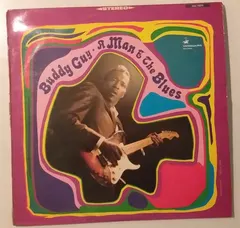




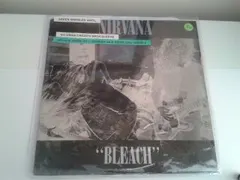

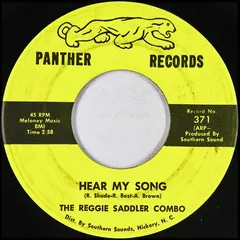
JunkPal may earn a commission when you buy through eBay links, at no extra cost to you.
What’s worth the most
Ranked on medians of real closed eBay sales, not asking prices.