What does “radio promo” mean?
What it means
A radio promo is a limited-run vinyl record or single manufactured by a record label exclusively for distribution to radio stations. The primary function is to encourage airplay by providing DJs and music programmers with free, often early, copies of new material. These are not standard commercial pressings. The core difference from a standard release is the distribution channel and the intended audience. While the mainstream equivalent is a promotional sample, in the collecting niche, the term implies a specific, often small, batch size intended for professional use, which inherently drives scarcity.
What it does to price
Scarcity is the primary driver of value. A pristine, verifiable radio promo can command a 1.5x to 4x premium over a standard commercial pressing of the same track, depending on the track's cultural impact. A track that became a massive, long-running hit will see the highest multipliers. Conversely, a promo for a minor or quickly forgotten B-side will hold minimal premium, perhaps only 1.1x over a standard copy. For example, a common promo of a mid-tier 90s hit might sell for $25 loose, while a rare, first-run promo of a chart-topper could easily exceed $150.
How to spot it
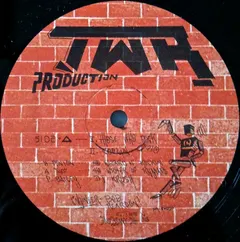
Identification relies on specific manufacturing details. Look for unique catalog numbers, often prefixed with "PROMO," "DEMO," or "RADIO." Many labels print specific disclaimers on the sleeve or inner sleeve stating "For Promotional Use Only" or "Not For Sale." Vinyl itself may have different matrix runout markings than standard retail pressings. Sellers must provide clear photos of the label, the sleeve edges, and the runout groove area. Common issues include accidental inclusion of promotional sleeves with standard pressings, or counterfeit items mimicking the specialized labels.
Buying smart
Paying a premium for a radio promo is justified when the track itself is highly desirable, culturally significant, or when the specific pressing variant is known to be exceptionally rare (e.g., a 100-unit run). If the track is obscure or the provenance is unverified, the premium is likely inflated. A fair deal involves the asking price being within 1.5x to 2.5x the value of a known, standard commercial pressing, provided the promo is in near-mint condition. If the price exceeds 3x the standard value without strong evidence of extreme scarcity, caution is warranted.
Selling smart
Listing a radio promo requires immediate, unambiguous proof of its status. Simply stating "Radio Promo" is insufficient. The listing must include a high-resolution photo clearly showing the official promotional markings on the label or sleeve. The single most valuable piece of information is the specific catalog number associated with the promotional run. Adding the phrase "Verified Radio Promo" in the title, backed by photographic evidence, immediately shifts the item from a collectible record to a specialized piece of music history, justifying the highest end of the market premium.
On eBay right now
Current asking prices from live listings — not sold-comp medians.


eBay links are affiliate links: JunkPal may earn a commission at no cost to you.
Resale values related to radio promo
Shop radio promo on eBay ↗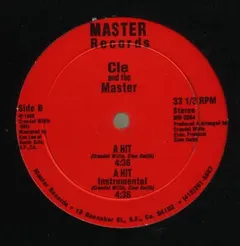
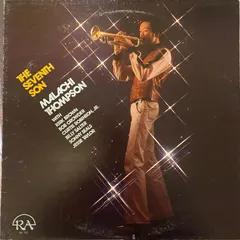


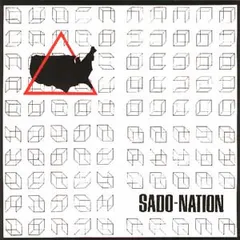
JunkPal may earn a commission when you buy through eBay links, at no extra cost to you.
What’s worth the most
Ranked on medians of real closed eBay sales, not asking prices.