What does “promotional copy” mean?
What it means
Promotional copy refers to vinyl pressings intentionally distributed by record labels or manufacturers for non-retail purposes. This includes sending units to radio stations for airplay, music journalists for review, or industry personnel for promotional use. The core distinction is that these items were never intended for the standard consumer market. While the short definition is accurate, the niche focus is on the *intent* of distribution. Mainstream equivalent: Sample copies or review units. These records are often limited by the specific campaign they were tied to, making them inherently scarce compared to mass-market runs.
What it does to price
Promotional status acts as a direct scarcity multiplier. For a desirable, sought-after release, a verified promotional copy can fetch 1.5x to 4x the price of a standard retail pressing, depending on the artist's demand and the specific distribution tier (e.g., radio vs. trade-only). A common factor pushing the price up is a verifiable, high-profile recipient (e.g., a specific major radio station). Conversely, if the "promo" marking is generic or appears to be a simple error on a standard pressing, the price premium collapses to near zero. For example, a rare indie release might sell for $150 retail, but a verified, signed radio promo version could command $350.
How to spot it
The primary identifiers are physical markings. Look for stamps, stickers, or printed text such as "Promo," "Not For Sale," "For Review Use Only," or specific internal distributor codes that deviate from standard retail catalog numbers. Some labels use unique color variations or sleeve inserts specific to promotional runs. Sellers must provide high-resolution photos of the label and the sleeve edges. Common mistakes involve sellers mislabeling a standard copy as a promo, or conversely, using a generic "promo" sticker on a standard release to inflate value.
Buying smart
Paying a premium for a promo is justifiable when the artist or release is already highly sought after, or when the specific promo run is known to be extremely limited (e.g., a single-run press for a specific festival). It is not worth the premium for a generic, unmarked copy that merely *claims* to be a promo. A fair deal involves a price that reflects the documented scarcity. If the seller cannot provide credible documentation or photos confirming the distribution channel, the premium should be discounted to match the value of a standard pressing.
Selling smart
Listing a promo requires immediate, unambiguous declaration. The title and description must explicitly state "Verified Promo Copy" or similar language. The single most valuable asset in the listing is a clear, close-up photograph of the specific marking—the "Promo" stamp or unique catalog identifier—on the vinyl label or sleeve. This visual proof transforms the item from a potentially inflated collectible into a verifiable piece of music history, allowing the seller to command the upper end of the established scarcity multiplier.
On eBay right now
Current asking prices from live listings — not sold-comp medians.


eBay links are affiliate links: JunkPal may earn a commission at no cost to you.
Resale values related to promotional copy
Shop promotional copy on eBay ↗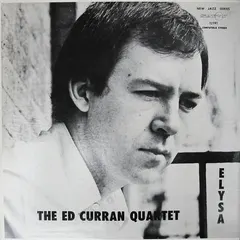
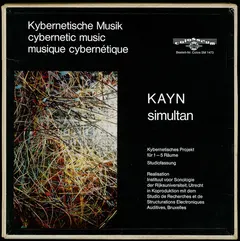
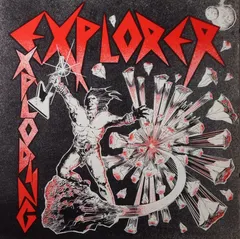
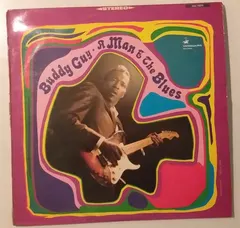
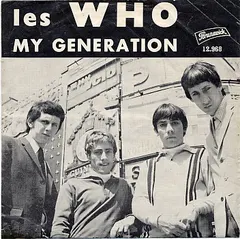

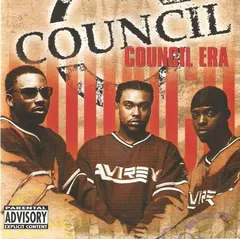

JunkPal may earn a commission when you buy through eBay links, at no extra cost to you.
What’s worth the most
Ranked on medians of real closed eBay sales, not asking prices.