What does “promo pressing” mean?
What it means
A promo pressing is a vinyl record manufactured exclusively for promotional purposes. This means the copies were intended for radio stations, music journalists, or industry insiders, not for mass retail sale. While the short definition is largely accurate, the key distinction is its *distribution channel*, not just its contents. Sometimes, promos are identical to commercial pressings, but the "PROMO" designation is the defining factor. In mainstream terms, it is an exclusive, limited-run sample copy. The value comes from its scarcity and its direct link to the initial release cycle.
What it does to price
Promo pressings carry a price premium over standard retail copies. This multiplier varies heavily based on the artist's popularity and the rarity of the specific run. For a moderately sought-after independent release, a verified, Near Mint (NM) promo copy can fetch 1.5x to 3x the price of a standard NM copy. For major label acts, the premium might be lower (1.2x to 1.8x) unless the promo is exceptionally scarce. Factors that push the price up include unique packaging (e.g., hand-numbered sleeves) or extremely limited quantities (under 100 copies). A realistic example: a standard copy might sell for \$40; a verified, unique-sleeve promo version could command \$70–\$120.
How to spot it
The primary tell is explicit marking. Look for the word "PROMO," "DEMO," or "FOR REVIEW USE ONLY" printed anywhere on the sleeve, the inner sleeve, or the runout groove (the area near the label on the vinyl itself). Catalog numbers may also be different from the commercial run. Sellers must provide high-resolution photos of the spine, the center label, and the runout groove. Common mistakes include sellers mislabeling a standard, early-run retail copy as a promo. Fakes are rare but can involve printing fake markings onto standard sleeves; scrutinize the print quality of any "PROMO" text.
Buying smart
Paying a premium for a promo is worthwhile when the item is genuinely rare, associated with a critically acclaimed or cult artist, or when the packaging itself is a significant collector's item. If the promo is an identical, unadorned copy of a mass-produced release, the premium is negligible. A fair deal involves the asking price being within the established multiplier range for that specific artist's known scarcity. If a seller is asking for 5x the typical retail price without providing verifiable proof of extreme scarcity, the offer is likely inflated.
Selling smart
Proving the item's promotional status fundamentally changes its market tier. Listing the item as a "Verified Promo Pressing" immediately targets a higher-tier collector demographic willing to pay the premium. The single most effective element in a listing is a clear, well-lit photograph of the runout groove showing the "PROMO" marking. A simple, declarative statement in the description—"Authentic Radio Promo Copy"—is sufficient, provided it is backed up by the photos. This single piece of evidence justifies the higher asking price.
On eBay right now
Current asking prices from live listings — not sold-comp medians.

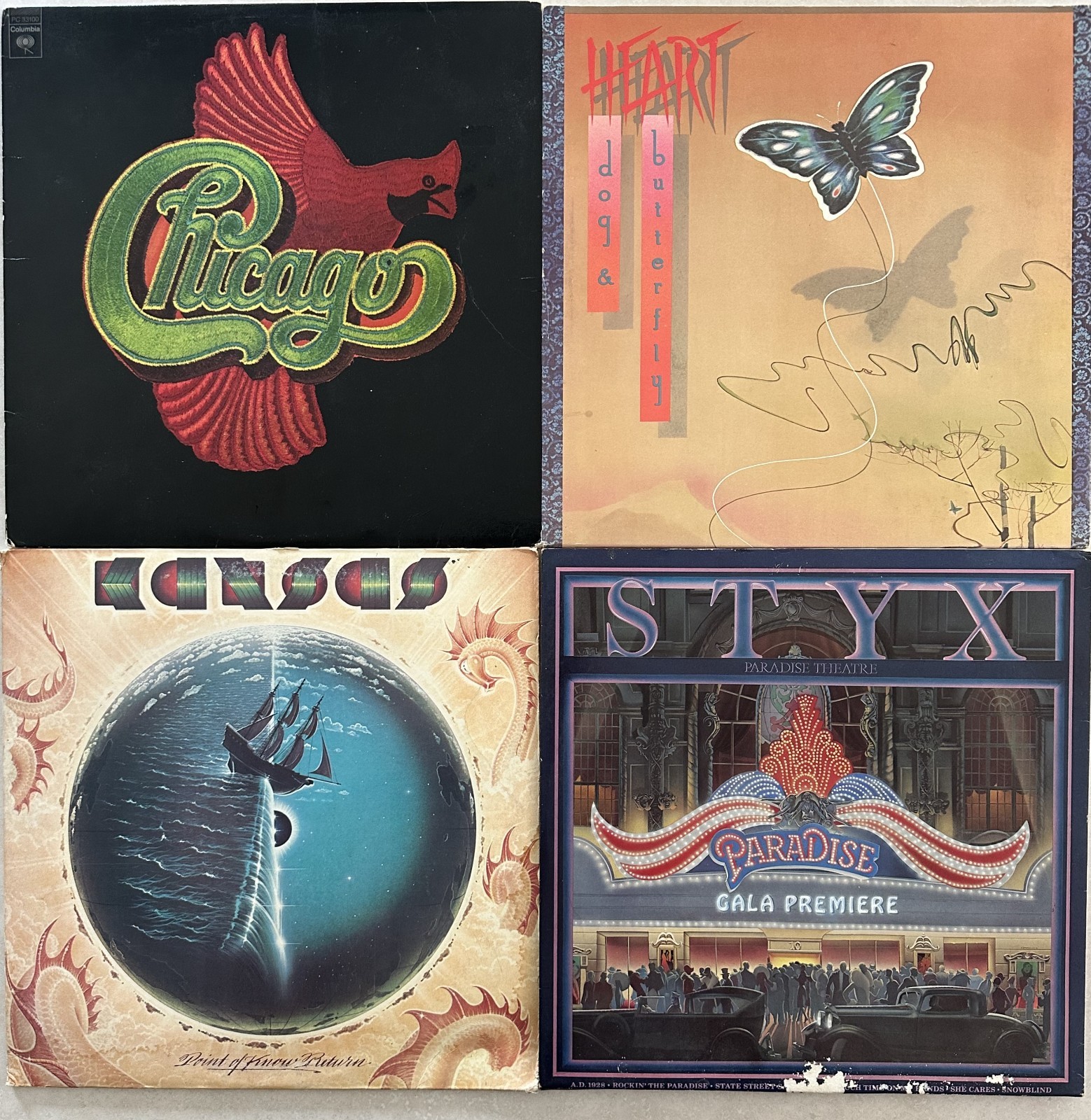
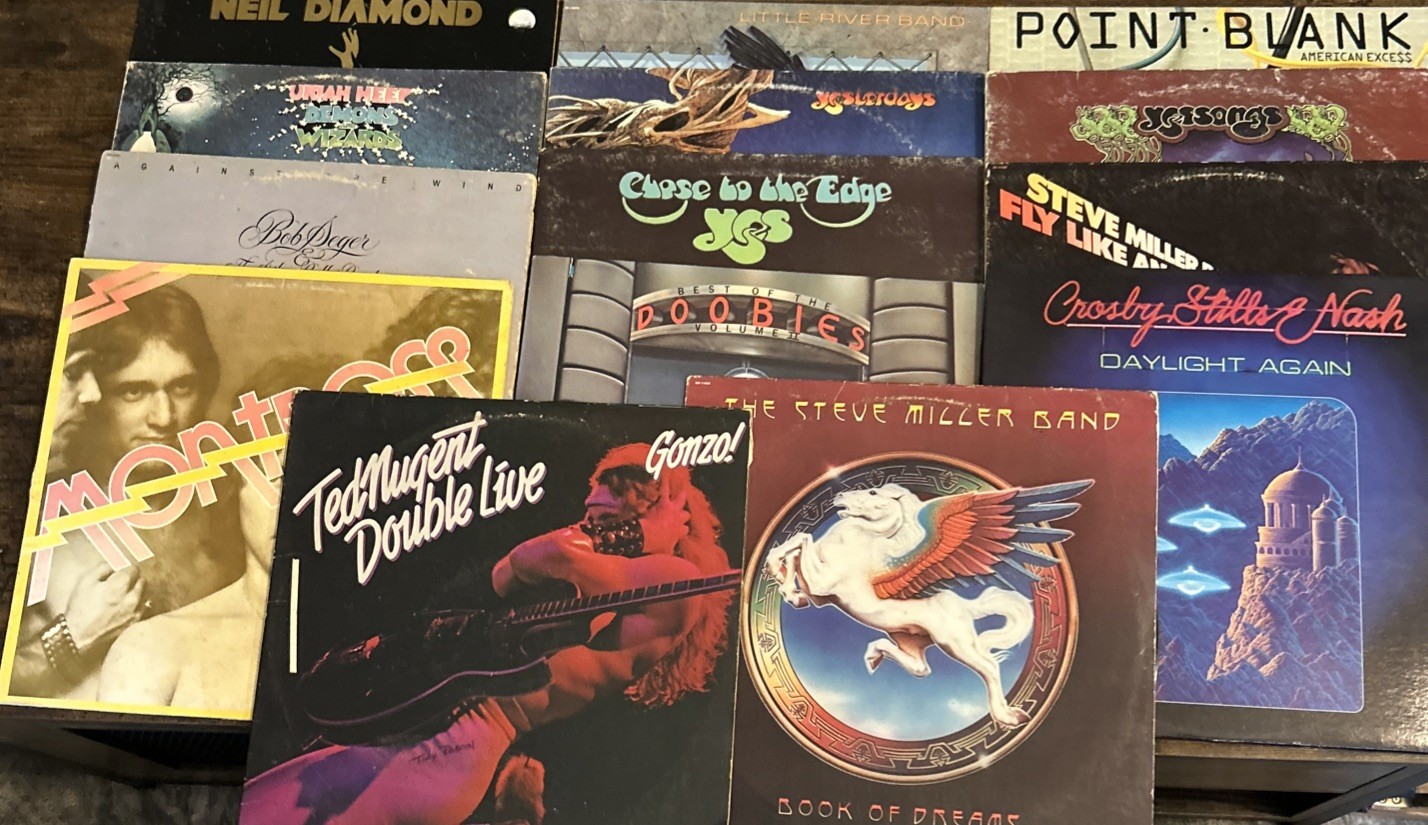


eBay links are affiliate links: JunkPal may earn a commission at no cost to you.
Resale values related to promo pressing
Shop promo pressing on eBay ↗

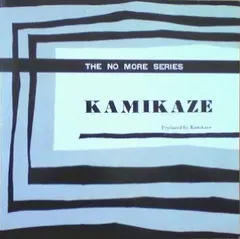

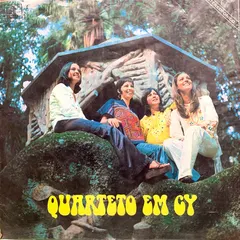
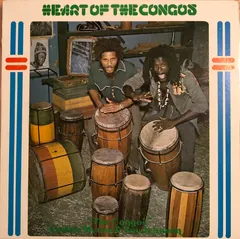
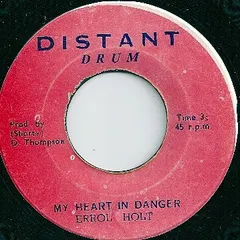
JunkPal may earn a commission when you buy through eBay links, at no extra cost to you.
What’s worth the most
Ranked on medians of real closed eBay sales, not asking prices.