What does “pressing run” mean?
What it means
The pressing run is the specific production batch of a vinyl record. It is not the album itself, but the physical iteration of the record pressed onto vinyl. A single album title can exist across multiple pressing runs—a first pressing, a second pressing, a reissue, or a limited test pressing. These runs differ based on the manufacturing date, the mastering engineer used, the vinyl stock quality, and sometimes the sleeve printing. For a reseller, the pressing run is the primary determinant of an item's authenticity and scarcity within a given catalog number.
What it does to price
The pressing run dictates value multipliers. A true, scarce first pressing can fetch 2x to 5x the price of a standard, later reissue of the same album in similar condition. Minor variations, like a slight shift in the sleeve color or a different label design, can push the price up by 1.2x to 1.8x over a standard copy. Conversely, a known "bad pressing" run (e.g., known for surface noise or warped vinyl) can see a 30-50% price reduction compared to the standard issue. For instance, a standard copy might sell for \$40; a verified, sought-after first pressing from that run could easily sell for \$100 or more.
How to spot it
Identification relies on physical inspection. The most reliable indicator is the matrix/runout groove etching—the alphanumeric codes stamped near the label on the vinyl itself. These codes link directly to the pressing plant and date. Check the sleeve for specific catalog numbers or manufacturing codes printed on the back or inside sleeve. Some labels use specific sticker variations or color shifts on the inner sleeve to denote early runs. Common mistakes involve confusing a promotional copy (which may have unique markings) with a standard commercial release. Fakes often fail to replicate the precise matrix numbering or use incorrect label stock.
Buying smart
Paying a premium for a specific pressing run is justified when the run is demonstrably scarce, documented in reliable collector guides, or known to possess superior audio quality (e.g., a specific mastering engineer’s cut). If the difference between a first pressing and a second pressing is only a minor sleeve color change, the premium may not justify the cost unless the buyer is a dedicated completionist. A fair deal means the premium paid directly correlates with verifiable scarcity or documented sonic improvement. If the seller cannot provide clear photographic evidence of the matrix numbers, the premium should be heavily discounted.
Selling smart
Proving the pressing run is the most effective way to maximize profit. Listing the specific matrix numbers or noting "First Pressing Run" in the title immediately filters the buyer pool toward serious collectors willing to pay higher premiums. The single most valuable piece of evidence is a high-resolution, clear photograph of the runout groove etching. This single photo transforms the listing from a general "album" sale to a specific, authenticated artifact sale, often securing a 30-50% price increase over listings that omit this detail.
On eBay right now
Current asking prices from live listings — not sold-comp medians.


eBay links are affiliate links: JunkPal may earn a commission at no cost to you.
Resale values related to pressing run
Shop pressing run on eBay ↗


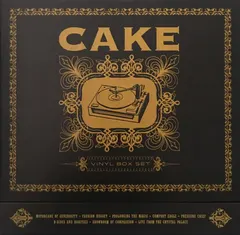

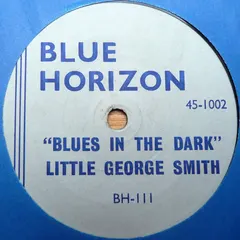


JunkPal may earn a commission when you buy through eBay links, at no extra cost to you.
What’s worth the most
Ranked on medians of real closed eBay sales, not asking prices.