What does “pressing error” mean?
What it means
A pressing error is any deviation from the intended master recording or manufacturing specification during vinyl production. This is not simply wear and tear; it is a flaw inherent to the pressing itself. Errors fall into two main categories: sonic and visual. Sonic errors include pops, clicks, skips, or unwanted surface noise originating from the groove or mastering stage. Visual errors include mold imperfections, splatter, mislabeling, or incorrect color saturation. In the collecting niche, the term is broad, but the value hinges on whether the error is a documented, desirable variant (a "known error") or a random manufacturing defect.
What it does to price
The impact on price is binary: massive increase or massive decrease. A known, desirable, and rare pressing error can elevate a record's value by 50% to 300% over a standard copy, provided the error is documented and recognized by the community. For example, a specific, documented "misprint" variant of a sought-after album might command $150, whereas a standard copy sells for $50. Conversely, a major, distracting sonic flaw—like a persistent, loud skip in the first track—can drop the value by 50% or more, potentially rendering it unsellable to audiophiles. Minor surface noise is often tolerated if the rest of the record is pristine.
How to spot it
Spotting errors requires scrutiny beyond the sleeve. For sonic issues, playback is mandatory; listen for consistent artifacts across multiple tracks. For visual errors, inspect the vinyl under bright light, checking for mold lines or inconsistencies in the vinyl color saturation compared to known examples. Sellers must provide high-resolution photos of the runout groove (the area near the label) to confirm pressing details. Be wary of sellers claiming "unique artifacts" without providing verifiable audio proof. Honest mistakes are often minor surface scuffs; deliberate errors are usually systemic to the pressing run.
Buying smart
Paying a premium for a pressing error is justified only when the error is documented, rare, and aesthetically or sonically appealing to the target buyer (e.g., a specific color variation sought by completionists). If the error is a random, distracting flaw that compromises the listening experience, the premium is unwarranted. A fair deal involves the asking price being less than 1.5 times the market value of the standard pressing, factoring in the rarity premium. If the error is not cataloged or identifiable, treat it as a standard copy unless the seller can prove its uniqueness.
Selling smart
Proving the error is the key to maximizing return. Listing must move beyond "Good condition" to "Variant pressing: [Specific Error Type]." The single most effective tool is a short, unedited audio clip demonstrating the specific artifact. A photo clearly showing the unique visual flaw (e.g., a specific color bleed or mold line) provides immediate credibility. Documenting the error shifts the item from a used record to a collectible artifact, justifying a significant price increase over a standard copy.
On eBay right now
Current asking prices from live listings — not sold-comp medians.


eBay links are affiliate links: JunkPal may earn a commission at no cost to you.
Resale values related to pressing error
Shop pressing error on eBay ↗

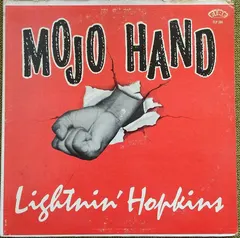



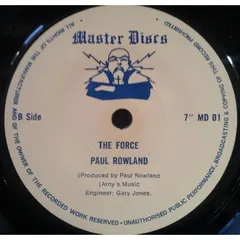

JunkPal may earn a commission when you buy through eBay links, at no extra cost to you.
What’s worth the most
Ranked on medians of real closed eBay sales, not asking prices.