What does “press plant” mean?
What it means
Press plant refers to the specific factory or facility responsible for the physical production of a vinyl record—the stamping, pressing, and packaging. This is the manufacturing origin. It is not simply the record label (the company that releases the music), but the physical site where the vinyl disc was molded. For collectors, the press plant acts as a provenance marker. Different plants utilize different machinery, materials, and quality control standards. This distinction is critical because the physical manufacturing location can directly correlate to the sonic fidelity, the specific production batch, or the intended market tier of the pressing.
What it does to price
The press plant can introduce significant, non-linear value shifts. A pressing from a highly regarded, boutique plant known for mastering quality can command a 20-50% premium over an identical pressing from a high-volume, general-purpose plant, assuming all other factors (condition, edition) are equal. Conversely, a plant known for cutting corners or using lower-grade vinyl stock can depress value. For example, a sought-after reissue pressed at a legendary European facility might sell for $150, while the same reissue pressed at a standard, unknown domestic facility might sell for $80. The plant acts as a quality gatekeeper.
How to spot it
Identifying the press plant requires forensic examination of the physical product. Look for matrix/runout etchings in the dead wax (the smooth area between the final groove and the label). These codes often contain plant identifiers or mastering house codes. Examine the inner sleeve or the vinyl label itself; some plants embed specific, subtle printing variations or unique cataloging styles. If the pressing is a known limited run, requesting high-resolution photos of the runout groove is the most reliable method. Be wary of sellers who claim a specific, high-end plant origin without providing corresponding physical evidence.
Buying smart
Paying a premium based on press plant is justifiable when the plant is historically associated with superior audio engineering or when the pressing is part of a documented, limited-run campaign from a specific, prestigious manufacturer. If the difference in price is marginal (under 10%), the risk of overpaying for perceived quality is high. A fair deal involves research: if the plant is unknown or unverified, the price should reflect a standard, general pressing, not a specialist artifact.
Selling smart
Proving the press plant is a key differentiator in a listing. If the provenance is verifiable—e.g., "Pressed at [Specific High-End Plant Name]"—the listing description must state this clearly. This moves the item from being merely a "record" to a "specific pressing artifact." The single most effective element to include is a close-up photograph of the runout groove showing the matrix/plant codes. This shifts the buyer's perception from condition-based value to collector-grade, provenance-based value, often justifying a higher asking price.
On eBay right now
Current asking prices from live listings — not sold-comp medians.


eBay links are affiliate links: JunkPal may earn a commission at no cost to you.
Resale values related to press plant
Shop press plant on eBay ↗
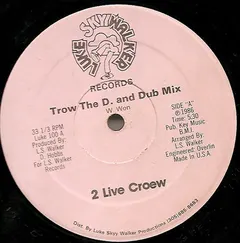

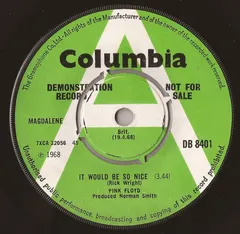

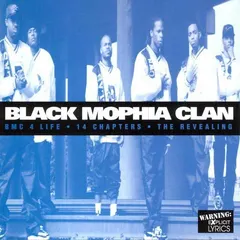
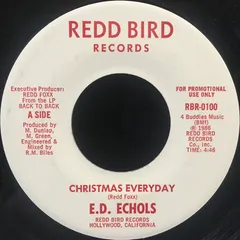

JunkPal may earn a commission when you buy through eBay links, at no extra cost to you.
What’s worth the most
Ranked on medians of real closed eBay sales, not asking prices.