What does “platter speed” mean?
What it means
Platter speed is the rotational velocity of the turntable platter, measured in revolutions per minute (RPM). This is not just a feature; it is a functional specification. Standard vinyl playback requires 33 1/3 RPM for 12-inch LPs and 45 RPM for 7-inch singles. The stylus tracks the groove modulation at a precise linear speed dictated by this RPM. If the speed drifts (e.g., running at 32 RPM instead of 33 1/3 RPM), the resulting audio exhibits pitch instability, wow, and flutter. For the collector or reseller, consistent, accurate speed indicates superior mechanical integrity of the playback system, which is a core component of the overall equipment value.
What it does to price
Consistent, accurate speed contributes to the overall grade of the *equipment* being sold, not the record itself, though it affects the perceived value of the entire lot. A high-end turntable known for its speed stability commands a premium. For a vintage turntable set, reliable speed maintenance can push the asking price 20-40% higher than a comparable unit with known speed issues. If a turntable is advertised as "perfectly calibrated," a buyer is expecting zero pitch deviation. A unit with noticeable speed wobble, even if the record media is pristine, will see its value drop by 15-25% due to functional risk.
How to spot it
The most direct way to spot speed accuracy is using a strobe disc placed on the platter while the unit is running. The disc should appear perfectly still under the stylus. If the disc appears to be rotating slightly faster or slower than the platter, the speed is inaccurate. Some higher-end turntables include built-in speed control or adjustable counterweights that affect RPM stability. Look for service records or calibration logs from the previous owner. Common mistakes involve worn drive belts, dirty or misaligned motor mounts, or failing speed control circuitry.
Buying smart
Paying a premium for a turntable based solely on advertised speed accuracy is justified when the unit is high-end, vintage, or intended for critical listening. If the turntable is entry-level or budget, minor speed fluctuations are often acceptable trade-offs for lower cost. A fair deal involves a seller who can demonstrate stability, ideally with a strobe disc test or by providing recent service documentation. If the seller cannot confirm speed accuracy, the price should be discounted by at least 10% to account for necessary calibration or repair costs.
Selling smart
Proving accurate platter speed significantly de-risks the purchase for the buyer, allowing for a higher asking price. The most effective evidence is a short video clip showing the strobe disc perfectly stationary under the stylus. If a seller cannot provide this, they must state the unit has been tested and is stable. Listing the unit as "Calibrated to 33 1/3 RPM" provides a concrete, verifiable selling point that separates it from unverified, used equipment.
On eBay right now
Current asking prices from live listings — not sold-comp medians.


eBay links are affiliate links: JunkPal may earn a commission at no cost to you.
Resale values related to platter speed
Shop platter speed on eBay ↗

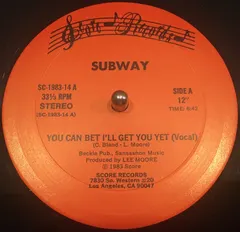


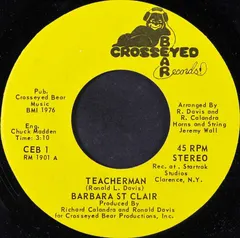

JunkPal may earn a commission when you buy through eBay links, at no extra cost to you.
What’s worth the most
Ranked on medians of real closed eBay sales, not asking prices.