What does “outer sleeve” mean?
What it means
The outer sleeve, or jacket, is the primary cardboard or plastic packaging surrounding a vinyl record. It is distinct from the inner sleeve, which merely protects the record disc. The outer sleeve serves as the album's external presentation, bearing the original artwork, band photography, and textual liner notes. In the collecting market, its condition is a primary determinant of perceived value. Key wear indicators include shelf wear (edge dings), corner dings, seam splits, and ring wear—a circular impression left by the vinyl pressing against the sleeve material.
What it does to price
Outer sleeve condition directly impacts the price multiplier. A Near Mint (NM) sleeve, with minimal to no visible wear, can command a 1.5x to 3x premium over a sleeve graded Very Good Plus (VG+). Significant damage, such as major seam splits, deep corner creases, or heavy ring wear, can reduce the value by 20% to 40% compared to an equivalent record with a pristine sleeve. For example, a rare pressing with a perfect sleeve might sell for $150, whereas the same record with a heavily ring-worn sleeve might sell for $90.
How to spot it
Examine the jacket edges and corners for blunt force trauma. Ring wear is easiest to spot in direct light; it appears as a distinct, uniform circular mark, usually visible on the front or back cover. Look for print quality consistency; faded colors or smudged text can indicate poor storage or age. Sellers must provide high-resolution photos of all four sides, specifically focusing on the corners and the spine. A common honest mistake is confusing light surface scuffs (cosmetic) with actual structural damage (like a seam split).
Buying smart
Paying a premium for sleeve condition is warranted when the record itself is rare, highly sought after, or in excellent musical condition (Mint/NM). If the record is common or the pressing is obscure, the premium for a perfect sleeve may not justify the cost, especially if the sleeve is near perfect but the vinyl has audible surface noise. A fair deal involves the sleeve condition matching the stated grade; if a seller claims NM, the sleeve must look virtually untouched.
Selling smart
Documenting the sleeve condition is non-negotiable for maximizing returns. A clear, well-lit photograph showing the sleeve's entirety—front, back, and sides—is the single most effective tool. Using precise terminology (e.g., "NM sleeve with minor edge wear" versus "VG sleeve") manages buyer expectations. Highlighting a pristine outer sleeve allows for a higher asking price, as buyers associate it with superior overall care of the entire package.
On eBay right now
Current asking prices from live listings — not sold-comp medians.


eBay links are affiliate links: JunkPal may earn a commission at no cost to you.
Resale values related to outer sleeve
Shop outer sleeve on eBay ↗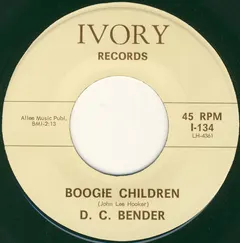


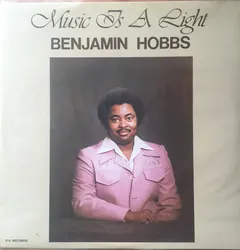
JunkPal may earn a commission when you buy through eBay links, at no extra cost to you.
What’s worth the most
Ranked on medians of real closed eBay sales, not asking prices.