What does “origami insert” mean?
What it means
An origami insert is a paper component, usually folded or die-cut, included in the original packaging of a vinyl record. This is not merely a generic liner note; the term specifically refers to unique, often artistic, paper elements integral to the release presentation. These can range from intricate, hand-folded paper sculptures to highly stylized, single-sheet artwork designed to be displayed or kept. For collectors, it functions as a key component of the packaging's completeness. Its presence verifies that the item is a full, original pressing, distinguishing it from records sold "sleeveless" or with only basic paper inserts.
What it does to price
The presence of a verifiable, undamaged origami insert acts as a significant value multiplier. A complete copy featuring this element typically commands a premium of 1.2x to 2.5x over an identical copy lacking the insert, assuming the vinyl quality is equal. The multiplier increases sharply if the insert is rare or unique to a specific, sought-after pressing variant. Conversely, if the insert is present but heavily creased, stained, or ripped, the value reduction can be 20-40% compared to a pristine copy. For example, a rare 1970s pressing with a perfect insert might sell for $300, whereas the same record missing it might only fetch $220.
How to spot it
Identification relies on visual confirmation of the paper's structure and material. Look for unique folds, die-cut patterns, or specialized paper stock that differs from standard lyric sheets. Edition markers are often embedded within the insert's design or printed on the reverse side, linking it to a specific pressing run. When contacting a seller, request high-resolution photos specifically showing the insert's edges and any visible printing details, not just a general shot of the record. Common mistakes include mislabeling a simple bookmark as a unique "origami insert," or sellers failing to differentiate between a factory-inserted piece and a later, aftermarket addition.
Buying smart
Paying a premium for an origami insert is justified when the insert itself is documented as being part of the original, limited-edition run, and its condition is near mint. If the insert is cheap, generic, or appears to be a modern reproduction, the premium is unwarranted. The cost of the insert should not exceed 10-15% of the total asking price for the record itself. A fair deal involves the seller clearly stating the insert is original, and the buyer confirming its condition matches the listed grade. If the record is otherwise mediocre, the insert alone is rarely worth the extra outlay.
Selling smart
Proving the existence and condition of the origami insert transforms a listing from a standard vinyl sale to a "complete package" sale. This immediately qualifies the item for a higher tier of buyers focused on packaging fidelity. The single most effective element in the listing is a dedicated, well-lit photograph of the insert itself, clearly showing its unique features and condition. A simple caption stating, "Includes original, mint-condition origami insert," is sufficient. This detail allows the seller to anchor the price at the higher end of the market range, justifying the added value based on packaging completeness.
On eBay right now
Current asking prices from live listings — not sold-comp medians.


eBay links are affiliate links: JunkPal may earn a commission at no cost to you.
Resale values related to origami insert
Shop origami insert on eBay ↗
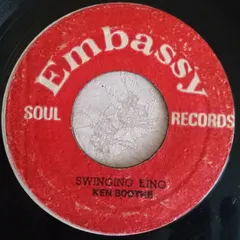


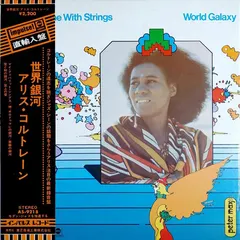
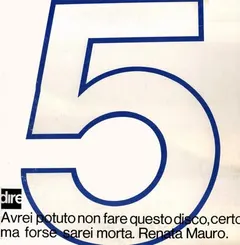
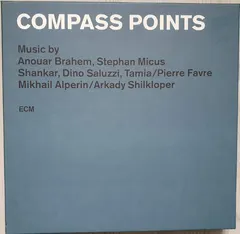
JunkPal may earn a commission when you buy through eBay links, at no extra cost to you.
What’s worth the most
Ranked on medians of real closed eBay sales, not asking prices.