What does “mono pressing” mean?
What it means
Mono pressing refers to a vinyl record cut and mastered in a single, unified audio channel. This is the opposite of stereo, which separates audio into distinct left and right channels to create a perceived soundstage. In collecting, this is not merely a technical difference; it signifies the original, often raw, sonic presentation intended by the artist during the recording period. While modern reissues may be mastered in mono, a true mono pressing is an artifact of the original mastering process. The niche value stems from this historical fidelity to the initial recording state.
What it does to price
Mono pressings can command a significant premium over their stereo counterparts, but this is entirely dependent on rarity and condition. For a desirable, early mono pressing of a classic album, a Near Mint (NM) copy can fetch 1.8x to 3x the price of a comparable stereo version. If the mono version is known to be a limited, first-run pressing, the multiplier can exceed 4x. Conversely, if the mono version is a later, common reissue, the price premium may be negligible, perhaps only 1.1x to 1.3x. A common mistake is assuming all mono pressings are valuable; a common, mass-market mono pressing might only add $5 to a $30 record.
How to spot it
The definitive tell is the matrix/runout groove etching. Look for markings indicating "Mono," "Mono Mix," or specific mastering engineer codes associated with mono cuts. Album artwork or liner notes may also specify "Mono Mix." A common mistake is confusing a mono *mastering* with a mono *pressing*; the latter is the physical vinyl. Always request high-resolution photos of the center label and the runout groove area. Fakes are rare for this characteristic, but sellers sometimes mislabel stereo records as mono to inflate value.
Buying smart
Paying a premium for mono is justified when the record is documented as an early, original pressing from the period of the band's peak creative output, and the condition is high (VG+ or better). If the mono version is a later, common reissue, the premium is rarely worth the extra cost unless the specific sonic character is the primary goal. A fair deal involves the price reflecting the rarity of the *pressing*, not just the sound. If the difference in price between mono and stereo is less than 25% for a common release, the premium is likely inflated.
Selling smart
To maximize sale price, the listing must explicitly state "Original Mono Pressing" and provide photographic proof of the mono mastering information in the runout groove. Buyers pay a premium for certainty. A single, clear photo of the matrix etching confirming the mono designation is the most powerful tool. Using the term "Original Mono Artifact" in the description elevates the item from a record to a collectible piece of sonic history, justifying a higher asking price.
On eBay right now
Current asking prices from live listings — not sold-comp medians.


eBay links are affiliate links: JunkPal may earn a commission at no cost to you.
Resale values related to mono pressing
Shop mono pressing on eBay ↗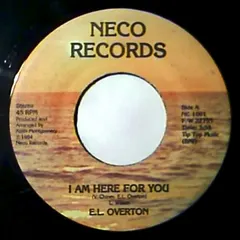



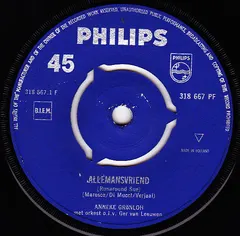
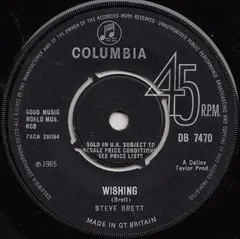

JunkPal may earn a commission when you buy through eBay links, at no extra cost to you.
What’s worth the most
Ranked on medians of real closed eBay sales, not asking prices.