What does “mono” mean?
What it means
Mono refers to a recording mixed and mastered using a single audio channel. This contrasts with stereo, which uses two independent channels (left and right). In this collecting niche, "mono" denotes the original mastering format, not just a mix that sounds narrow. The mainstream equivalent is single-channel audio. The sound is direct and centralized, lacking the spatial separation of stereo. For collectors, this is a specific sonic characteristic, often valued for its perceived authenticity or vintage quality, particularly on older recordings.
What it does to price
Genuine mono pressings often command a premium over their stereo counterparts, but the multiplier is highly dependent on scarcity and condition. For a sought-after classic album, a CIB (Complete In Box) mono copy can fetch 1.5x to 3x the price of a comparable stereo version. A rare, first-pressing mono variant of a high-demand album might see a $50-$100 premium over the stereo version, even if both are VG+. Conversely, a common album pressed in mono that is otherwise unremarkable will see negligible price change. The difference is most pronounced when the mono version is demonstrably rarer.
How to spot it
Verification requires examining the physical record, not just the sleeve. The definitive confirmation lies in the matrix or runout groove etching. Mono masters are often stamped with specific identifiers (e.g., "Mono," "Mono Mix," or specific mastering engineer codes) that differ from stereo counterparts. Sleeve artwork alone is insufficient. Sellers must provide clear, high-resolution photos of the center label and the runout groove area. A common mistake is confusing a mono *mix* (a stereo recording intentionally mixed to sound narrow) with a true mono *master* (recorded and cut in a single channel).
Buying smart
Paying a premium for mono is justified when the record is a known, historically significant pressing, or when the sonic characteristic is the primary goal of the purchase. If the album is common, the premium is likely inflated hype. A fair deal involves the price difference between the mono and stereo version being proportional to the documented rarity of the mono pressing. If the seller cannot provide clear matrix evidence, the premium should be heavily discounted, as the claim may be unsubstantiated.
Selling smart
Proving the mono nature of the record elevates its perceived value significantly. The listing must explicitly state "Genuine Mono Pressing." The single most effective element in the listing is a close-up, well-lit photograph of the runout groove etching showing the mono identifier. Using the term "Original Mono Master" instead of just "Mono" adds necessary technical weight. This verification allows the seller to confidently target audiophile buyers willing to pay the established premium.
On eBay right now
Current asking prices from live listings — not sold-comp medians.


eBay links are affiliate links: JunkPal may earn a commission at no cost to you.
Resale values related to mono
Shop mono on eBay ↗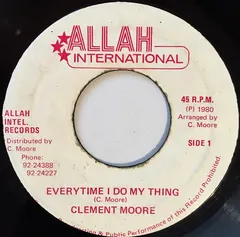


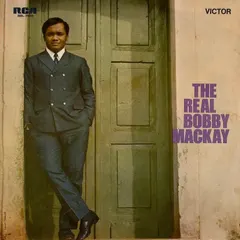


JunkPal may earn a commission when you buy through eBay links, at no extra cost to you.
What’s worth the most
Ranked on medians of real closed eBay sales, not asking prices.