What does “mislabel” mean?
What it means
A mislabel is a verifiable error present on the physical components of a vinyl record—the label affixed to the center of the record, the outer sleeve, or the inner sleeve. This is not simply a damaged sleeve; it is an inconsistency in the printed data. Examples include an incorrect matrix/runout code, a wrong catalog number printed on the jacket, or an artist name printed differently than the official release data. In the mainstream market, this is a printing error. In the collecting niche, it is often categorized as a "variant" or a "mistake pressing." The significance shifts based on whether the error was an oversight during manufacturing (an honest mistake) or if it indicates a specific, limited production run (a sought-after variant).
What it does to price
The price impact is entirely contingent on the rarity and the market perception of the error. A minor, easily correctable typo on the back cover usually results in a negligible price change, perhaps 5-10% less than a perfect copy. However, a significant, documented error—such as an incorrect pressing plant code that only occurred in a small batch—can introduce significant premium. If a specific mislabel variant is known to be scarce, it can command a 1.5x to 3x multiplier over a standard pressing, depending on demand. Conversely, if the error is common or easily attributed to a known, large-scale printing run, it acts as a depreciation factor, potentially dropping the price by 20-40% compared to a pristine, standard issue.
How to spot it
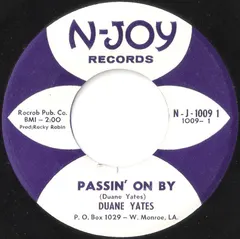
Verification requires close inspection of all printed elements. Key areas to check include the matrix numbers etched into the dead wax (runout groove), the catalog number printed on the spine and center label, and any copyright dates. Sellers must provide high-resolution, well-lit photos of the center label and the entire sleeve, ideally showing the spine. Distinguishing an honest mistake from a deliberate counterfeit is difficult; fakes often replicate the *look* of the error without the corresponding production anomalies. If the error matches a known, documented pressing variation from reliable databases, it is likely an honest mistake.
Buying smart
Paying a premium for a mislabel is justifiable only when the error is documented as a rare, limited-run variant, and the record itself (sound quality, pressing quality) is otherwise excellent. If the error is minor or common, the premium is unwarranted. A fair deal for a known, rare mislabel variant should reflect the documented scarcity relative to the standard pressing price, typically not exceeding a 50% uplift unless the variant is exceptionally sought after by a specific sub-collector group. If the error is ambiguous, treat it as a standard pressing until proven otherwise.
Selling smart
Transparency maximizes sale price. Listing the record as a "Mislabel Variant [Specific Error]" rather than just "Vinyl Record" immediately filters the audience and sets the expectation for specialized buyers. The single most valuable element in the listing is a clear, close-up photograph isolating the specific error (e.g., the incorrect catalog number). Describing the error precisely—"Incorrect matrix code XYYZ instead of standard XYZW"—allows the buyer to verify the claim instantly, justifying a higher asking price based on documented uniqueness rather than perceived flaw.
On eBay right now
Current asking prices from live listings — not sold-comp medians.


eBay links are affiliate links: JunkPal may earn a commission at no cost to you.
Resale values related to mislabel
Shop mislabel on eBay ↗




JunkPal may earn a commission when you buy through eBay links, at no extra cost to you.
What’s worth the most
Ranked on medians of real closed eBay sales, not asking prices.