What does “low end response” mean?
What it means
Low end response describes the system's ability to reproduce the lowest audible frequencies, typically below 100Hz. For vinyl, this relates to the turntable's cartridge/stylus performance and the connected amplifier/speaker system's capability. It is not solely about the record pressing itself, but how the *entire playback chain* renders the bass information. High-quality low end response means the bass is deep, articulate, and controlled—it has weight without sounding bloated or undefined. Poor low end response manifests as "mud," where bass notes overlap and obscure mid-range clarity, or as thinness, where the low end simply disappears. The mainstream equivalent is simply "bass quality."
What it does to price
Excellent, articulate low end response significantly increases perceived value across both records and gear. For vinyl records, a pressing known for superior sonic reproduction (often linked to mastering quality, which impacts low end) can command a 20-40% premium over a standard pressing of the same condition. For audio equipment, a system demonstrating controlled, deep bass can push a used turntable's value 1.5x to 2x its baseline price, depending on the market segment. A record with noticeably weak or boomy bass, even if visually pristine, will see its appeal drop, potentially selling 15-25% below market average for its condition.
How to spot it
When evaluating a record, low end response is judged by the *listening experience*, not physical markings. However, certain mastering choices correlate with better low end. Look for early pressings or specific mastering engineer credits, as these often utilized superior analog chain processing. For gear, ask sellers for high-resolution audio clips of the system playing a track with heavy sub-bass (e.g., certain electronic or jazz tracks). A tell-tale sign of poor quality is excessive "rumble" or distortion during bass peaks, which indicates the system is being overloaded.
Buying smart
Paying a premium for superior low end response is justified when the source material demands it—i.e., complex, dynamic music where the bass is integral to the composition (e.g., deep funk, progressive rock, certain classical works). If the music is mid-range heavy (e.g., acoustic folk), overpaying solely for "deep bass" is often unnecessary. A fair deal involves a price premium that aligns with documented sonic improvements, not just subjective preference. If a seller claims superior bass but cannot provide objective evidence or a reference track, the premium is likely inflated.
Selling smart
To maximize sale price, the listing must imply or demonstrate superior sonic performance. Do not just state "Good Bass." Instead, use descriptive, technical language: "Deep, controlled low end," or "Articulate sub-bass reproduction." The single most effective tool is a short, high-quality audio snippet embedded in the listing, demonstrating the low end on a known difficult track. This shifts the sale from condition-based to performance-based, allowing for a higher, justified price point.
On eBay right now
Current asking prices from live listings — not sold-comp medians.


eBay links are affiliate links: JunkPal may earn a commission at no cost to you.
Resale values related to low end response
Shop low end response on eBay ↗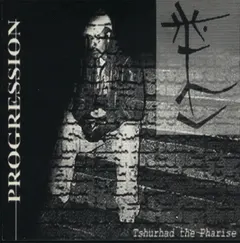





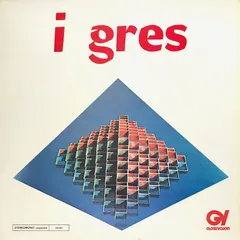
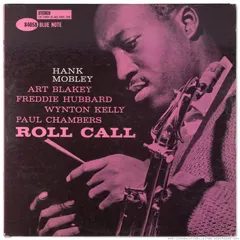
JunkPal may earn a commission when you buy through eBay links, at no extra cost to you.
What’s worth the most
Ranked on medians of real closed eBay sales, not asking prices.