What does “label text” mean?
What it means
Label text refers to all printed information present on the center disc label of a vinyl record. This includes the artist name, track listing, record label insignia, catalog number, matrix/runout etchings (though these are technically separate, they relate to the pressing identification), and any specific production or country codes. For collectors, the label text is not just metadata; it is the primary authentication point. Minor variations—a slight change in typeface, the inclusion or omission of a specific copyright year, or a different color palette—indicate distinct pressings, reissues, or promotional runs. This is the physical evidence used to differentiate a first pressing from a later, potentially less desirable, iteration.
What it does to price
Label text integrity directly correlates with perceived value. A pristine, original label, matching known first-pressing specifications, can command a 1.5x to 4x multiplier over a copy with a known later reissue label, assuming all other factors (media condition) are equal. The presence of a specific, sought-after variant—such as a test pressing label or a limited-run promotional sticker—can elevate the value by 50% or more. Conversely, significant wear, smudging, or text bleed on the label will reduce value, often by 15-30% due to diminished aesthetic appeal. For example, a $50 record with a perfect, original label might sell for $65, whereas the same record with a heavily creased, illegible label might settle around $40.
How to spot it
Verification requires close inspection. Key tells include the font weight, the specific placement of the label logo, and the catalog number sequence. Collectors must cross-reference the label text against established databases or known pressings for that specific title and label. Sellers must provide high-resolution, well-lit photographs of the entire label, showing all text clearly. Common issues include "bootlegs" (which often have inconsistent or poorly reproduced text) and "label swaps" (where the original label has been replaced with a different, incorrect one). An honest mistake might be a misprinted run where the label text is technically correct but has a minor, unintentional typo.
Buying smart
Paying a premium for label text is justified when the specific text confirms a highly desirable, scarce pressing (e.g., a first US pressing vs. a later European pressing). If the label text variation is minor or relates only to a standard, common reissue, the premium is unwarranted. A fair deal requires the seller to prove the label matches the desired pressing specification. If the seller cannot provide clear, verifiable photos of the label text, the price should be discounted by at least 20% until proof is provided.
Selling smart
Proving the label text is the single most effective way to justify a higher asking price. Listings must include multiple, sharp photos focusing solely on the center label, ideally showing the catalog number and any unique identifiers clearly. Using descriptive language that explicitly names the pressing variant ("Original 1972 UK Pressing Label") rather than just "Vintage Copy" immediately signals authenticity and value to knowledgeable buyers, allowing the seller to command the top end of the market range.
On eBay right now
Current asking prices from live listings — not sold-comp medians.


eBay links are affiliate links: JunkPal may earn a commission at no cost to you.
Resale values related to label text
Shop label text on eBay ↗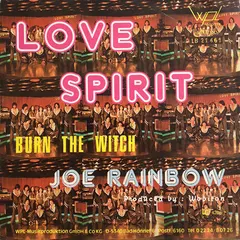




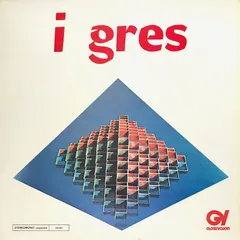
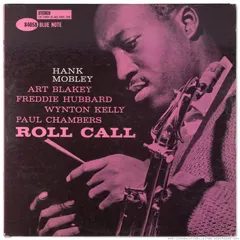
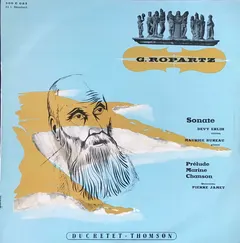
JunkPal may earn a commission when you buy through eBay links, at no extra cost to you.
What’s worth the most
Ranked on medians of real closed eBay sales, not asking prices.