What does “label design” mean?
What it means
Label design refers to the printed graphic elements on the center of a vinyl record. This includes the typography, color palette, specific logo usage, and layout that displays the artist name, album title, record label insignia, and catalog information. It is the primary visual identifier of a specific pressing run. While the mainstream equivalent is simply "album artwork," in vinyl collecting, the label design is a specific, physical component of the disc itself. Variations—such as a shift from a solid-color label to a printed design, or a change in the font used for the title—are not mere aesthetic choices; they are often indicators of distinct production batches, regional distribution, or official reissues.
What it does to price
Label variations are direct drivers of value. A known, highly desirable original label design can multiply a record’s value by 2x to 5x compared to a later, less desirable reissue with a similar but altered label. Conversely, a common, poorly executed label variant might depress the price by 10-20%. For example, a first-pressing variant with a specific, rare colored label might command $50 more than the standard pressing of the same album, even if the vinyl itself is identical. The presence of a known, sought-after label variant is a quantifiable factor in grading and pricing tiers.
How to spot it
Identifying label differences requires close inspection. Key tells include the specific ink density, the exact placement of the catalog number, and any subtle changes in the label's substrate (e.g., matte vs. glossy paper stock). Sellers must provide high-resolution, straight-on photos of the center label. Common pitfalls include counterfeits, which may use slightly off-register printing or incorrect label stock thickness. Honest mistakes are often simple misprints, such as a transposed digit in the catalog number, which can sometimes be a marker for a specific, limited pressing.
Buying smart
Paying a premium for a specific label design is justified only when that variant is historically documented and recognized within the collecting community as a significant pressing. If a seller claims a rare label variant without providing verifiable proof or context, the premium is speculative and risky. A fair deal involves a price that reflects the documented scarcity of the specific label variant, not just the album's general popularity. If the label is a minor aesthetic change with no known historical significance, the premium is unwarranted.
Selling smart
Proving the authenticity and specific nature of the label design is the most effective way to maximize sale price. Listing descriptions must explicitly name the label variant (e.g., "Early Pressing - Red Label Variant"). The single most important photo is a sharp, well-lit, close-up shot of the entire center label, clearly showing all text and color details. Using specific terminology related to the label design allows the listing to be found by specialized buyers willing to pay a higher price for that particular production run.
On eBay right now
Current asking prices from live listings — not sold-comp medians.


eBay links are affiliate links: JunkPal may earn a commission at no cost to you.
Resale values related to label design
Shop label design on eBay ↗


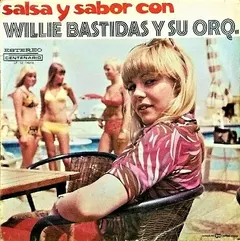

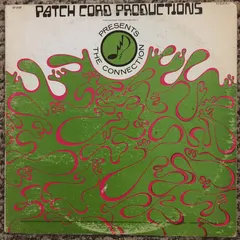
JunkPal may earn a commission when you buy through eBay links, at no extra cost to you.
What’s worth the most
Ranked on medians of real closed eBay sales, not asking prices.