What does “label color” mean?
What it means
Label color is the specific chromatic presentation—the hue, pattern, or design—printed on the center disc of a vinyl record. This is not merely aesthetic; it functions as a primary cataloging identifier. For collectors and resellers, the label color acts as a shorthand for production details. Variations in color or design often denote specific pressings: first runs, test pressings, regional variants, or promotional issues. It is a direct indicator of the record’s manufacturing lineage, distinguishing it from later, standard pressings.
What it does to price
Label color is a significant, though not always dominant, value driver. A known, highly sought-after color variant can introduce a multiplier of 1.5x to 4x over a standard pressing of the same condition. Conversely, a color known to be a common reissue might depress value by 20-30%. For example, a rare, hand-colored test pressing of a classic album might fetch $150 loose, while a standard black-label pressing of the same album in identical condition might sell for $40. The rarity of the specific color dictates the premium.
How to spot it
Identification requires close inspection. Look beyond the general color; examine the specific ink saturation, the font used for the catalog number, and any subtle printing errors associated with that color run. Sellers must provide high-resolution, well-lit photos of the center label, ideally showing the entire disc face. Common issues include misprints—where the intended color bleeds or shifts—which can be an honest mistake or a sign of a lower-quality pressing. Authentic variants are usually documented in specialized pressing guides or collector forums.
Buying smart
Paying a premium for label color is justified when the variant is documented as a verifiable, scarce pressing (e.g., a specific early European pressing). If the seller cannot provide clear provenance or reference photos matching known variants, the premium is speculative risk. A fair deal involves the asking price reflecting established market data for that specific color/pressing combination. If the difference between the standard and variant price is less than 50% of the total asking price, the premium may not be worth the risk unless the variant is extremely rare.
Selling smart
Proving the label color is the primary mechanism for establishing premium value. The listing must feature a sharp, focused photograph of the label, ideally with a ruler or coin in the frame for scale reference, and the exact color/variant name stated clearly in the description. Using specific jargon (e.g., "Blue Label Variant," "Promo Red") immediately signals expertise and authenticity to knowledgeable buyers, justifying a higher asking price.
On eBay right now
Current asking prices from live listings — not sold-comp medians.

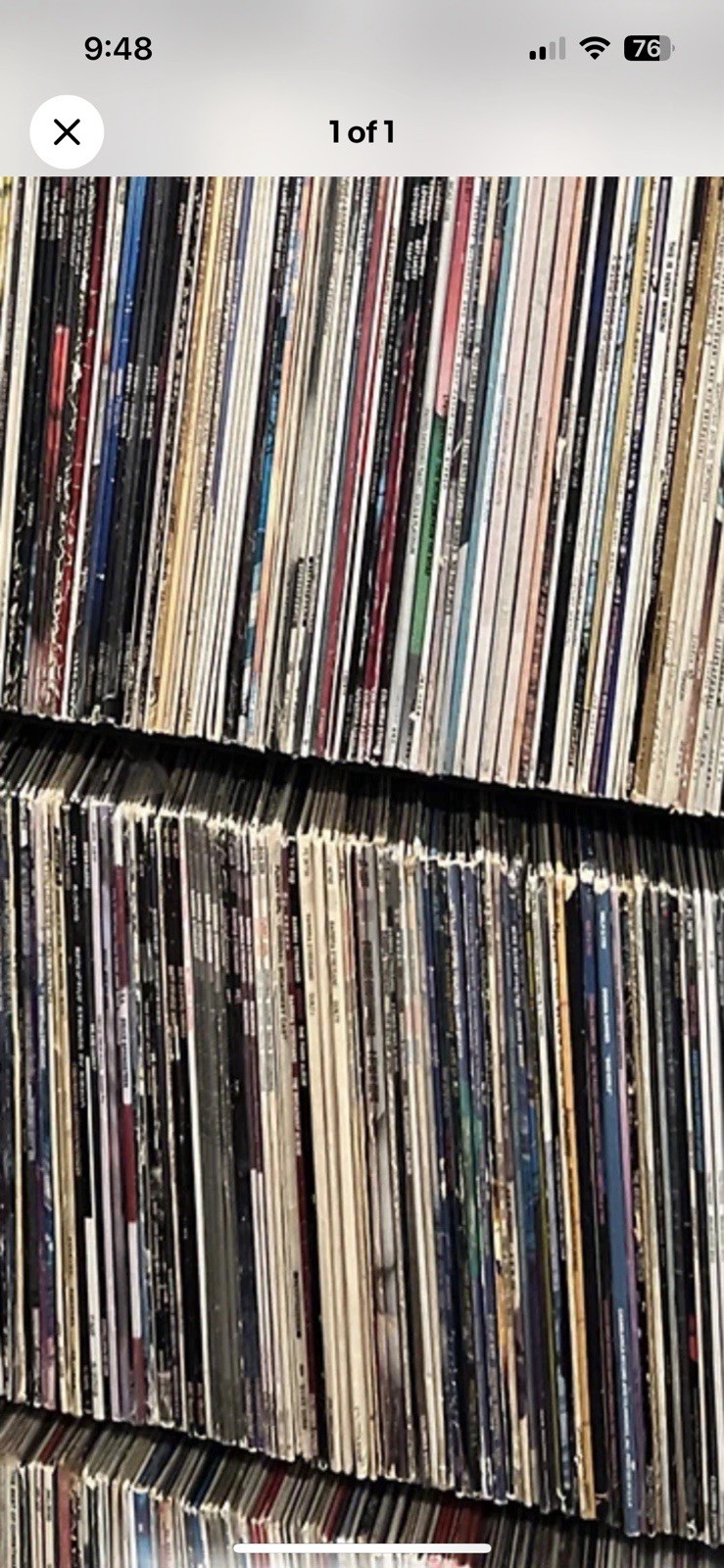


eBay links are affiliate links: JunkPal may earn a commission at no cost to you.
Resale values related to label color
Shop label color on eBay ↗


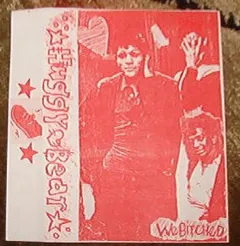

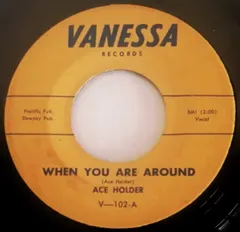


JunkPal may earn a commission when you buy through eBay links, at no extra cost to you.
What’s worth the most
Ranked on medians of real closed eBay sales, not asking prices.