What does “high end extension” mean?
What it means
"High end extension" in the vinyl context refers to premium, often expensive, aftermarket or top-tier factory components used in a playback system. This primarily involves phono cartridges, tonearms, or integrated amplifier upgrades. The mainstream equivalent is simply "high-fidelity" or "audiophile-grade" equipment. It denotes an investment in sound quality, not necessarily the record itself. The term describes the *system* the record was played on, not the physical media.
What it does to price
The presence of high-end extensions does not inherently increase the intrinsic value of the vinyl record itself. However, it can significantly increase the perceived value of the *package* when selling a complete setup or when selling the record with detailed provenance. For a rare or desirable pressing, mentioning the use of high-end gear can attract buyers willing to pay a 10-25% premium over the standard market rate, as they are seeking a complete, high-fidelity listening experience. Conversely, if the gear is extremely high-end but the record condition is poor (e.g., heavy groove wear), the gear's value is irrelevant, and the price remains low. A $50 rare record listed as "played on high-end system" might fetch $55-$60, whereas the same record without that mention might sell for $50.
How to spot it
Identification requires knowledge of specific brands (e.g., Ortofon, Nagaoka, Rega, specific vintage components). Look for visible cartridge mounting hardware or tonearm details. Sellers should provide photos of the cartridge itself, not just the turntable platter. High-end cartridges often have specific markings, color schemes, or unique mounting styles. A common mistake is sellers claiming "high end" when they mean "new." Genuine high-end components are usually traceable to specific, recognized manufacturers. Be wary of vague claims; specific model numbers are required for verification.
Buying smart
Paying a premium for a record based solely on the claim that it was played on high-end gear is usually unwise unless the record is already highly sought after. The quality of the vinyl pressing and its condition are the primary determinants of value. The premium is only justified when the record is already rare, desirable, or in near-mint condition, and the buyer specifically wants the assurance of a premium playback environment. A fair deal involves a price that reflects the record's condition, with the gear mention serving as an added marketing point, not a value driver.
Selling smart
To capitalize on this factor, the description must be specific. Instead of "played on good gear," state the actual components: "Played on Rega Planar 6 with Ortofon 2M Blue cartridge." This specificity validates the claim. The single most effective element is a clear, close-up photo of the cartridge or tonearm assembly, showing the visible branding. This documentation transforms the listing from a simple record sale into a curated audio package sale, justifying a higher asking price to serious audiophile collectors.
On eBay right now
Current asking prices from live listings — not sold-comp medians.


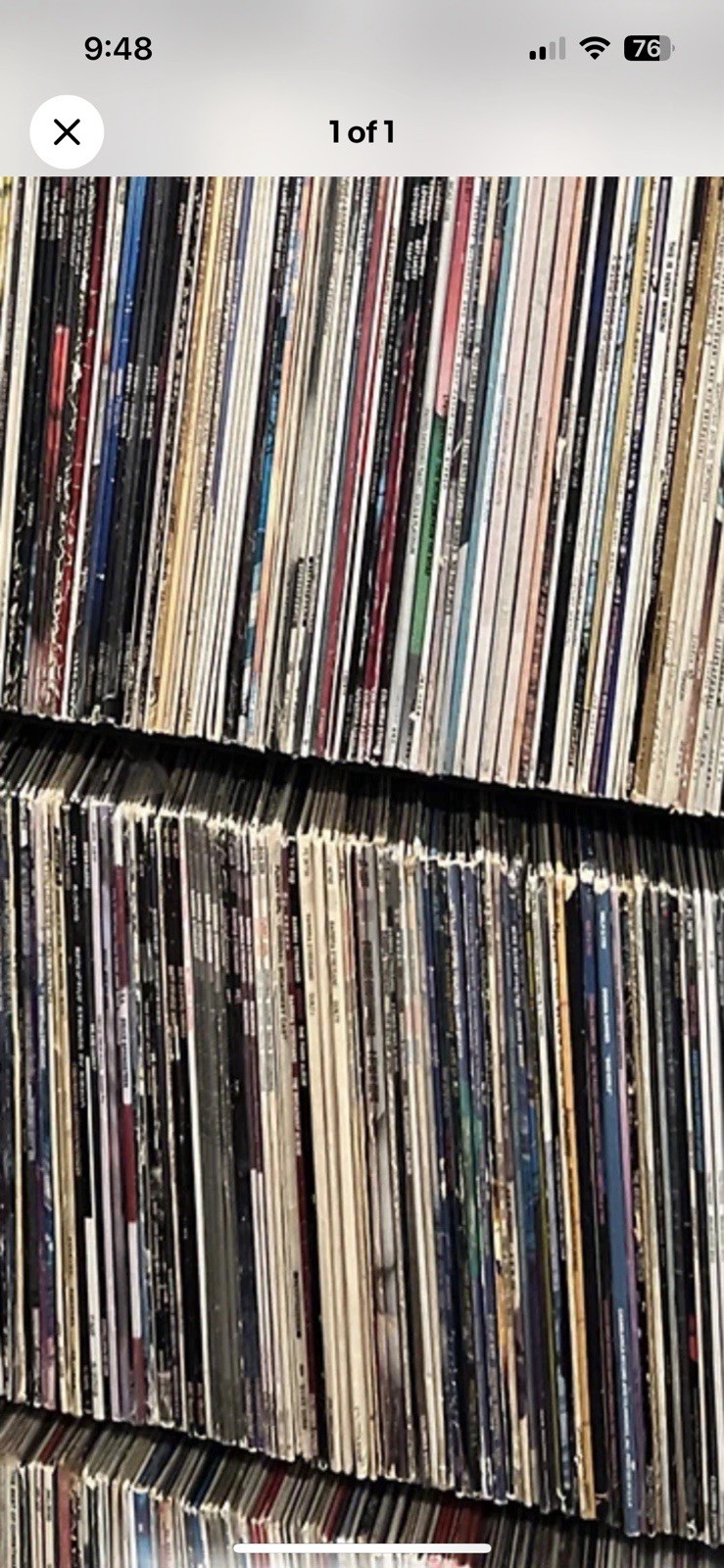


eBay links are affiliate links: JunkPal may earn a commission at no cost to you.
Resale values related to high end extension
Shop high end extension on eBay ↗
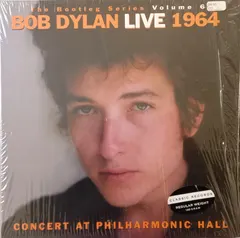
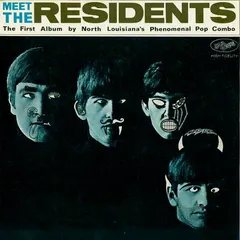




JunkPal may earn a commission when you buy through eBay links, at no extra cost to you.
What’s worth the most
Ranked on medians of real closed eBay sales, not asking prices.