What does “groove pattern” mean?
What it means
The groove pattern is the microscopic, continuous spiral etched into the vinyl substrate. This physical modulation holds the analog audio data. It is not merely a visual feature; it is the functional medium. The fidelity of the sound reproduction relies entirely on the consistency and integrity of this pattern when tracked by the stylus. For collectors, the condition of the groove pattern directly correlates to the record's playback quality and, consequently, its market value. Damage to the pattern—such as scratches, scuffs, or warping—is physical degradation of the data carrier.
What it does to price
Groove pattern integrity is a primary determinant of grading (e.g., Mint vs. VG+). A record with a pristine, unblemished groove pattern commands top-tier pricing. A Near Mint (NM) copy with flawless grooves can fetch 1.5x to 3x the price of a comparable VG+ copy, assuming all other factors are equal. Conversely, visible surface noise caused by light scuffs or minor groove wear can drop the value by 20% to 40%. For example, a sought-after first pressing with minor, non-audible surface noise might sell for $150, whereas the same pressing with visibly deep, audible groove damage might sell for $80.
How to spot it
Inspection requires magnification or strong, directional light. Look for hairline scratches that run parallel to the grooves (scuffs) versus deep scratches that cross them (gouges). Warping is a macro issue, but it distorts the pattern across the entire surface. Sellers should provide high-resolution photos taken under bright, direct light, ideally showing the center label and the outer edge. Common issues include "vinyl dust" (harmless debris) versus actual groove contamination. Fakes are rare regarding the pattern itself, but poor pressing quality (which manifests as inconsistent groove depth) can indicate a bootleg or inferior pressing.
Buying smart
Paying a significant premium for a record is justifiable when the groove pattern is demonstrably flawless, especially for high-demand, rare pressings where playback quality is paramount to the collector experience. If the record is being bought for archival listening or high-end playback, the cost of a perfect groove pattern is a necessary investment. It is not worth the premium if the record has visible, audible surface noise or significant warping, as the perceived value drops sharply upon first play. A fair deal reflects the grade: NM condition should not be priced as VG.
Selling smart
To maximize return, the listing must prove the groove pattern quality. A simple "Excellent condition" is insufficient. The premium is earned by providing a close-up, well-lit photo of the vinyl surface, specifically showing the grooves without distracting reflections. A single word like "Mint Grooves" or a detailed note confirming "No audible surface noise" shifts the buyer's perception from potential risk to guaranteed quality, often justifying a 10-25% price increase over an unverified listing.
On eBay right now
Current asking prices from live listings — not sold-comp medians.


eBay links are affiliate links: JunkPal may earn a commission at no cost to you.
Resale values related to groove pattern
Shop groove pattern on eBay ↗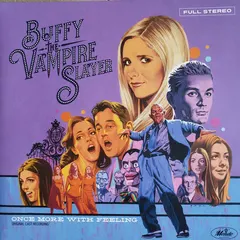


JunkPal may earn a commission when you buy through eBay links, at no extra cost to you.
What’s worth the most
Ranked on medians of real closed eBay sales, not asking prices.