What does “country of origin” mean?
What it means
Country of origin specifies the nation where the vinyl record was physically pressed or manufactured. This is distinct from the country of the original band or label. For collectors, this detail is a primary identifier of a specific pressing run. Variations in pressing plant location directly influence vinyl characteristics—such as mastering choices, vinyl compound quality, and weight—which affect sonic performance. Some regions develop reputations for superior mastering or specific pressing techniques, making those versions highly desirable within audiophile and niche collecting circles. The country of origin is a key component in determining a record's specific variant identity.
What it does to price
The country of origin acts as a multiplier on base value. A standard pressing might sell for $X. A known, highly sought-after pressing from a specific location (e.g., early UK pressings of certain jazz records) can command a 2x to 5x premium over a generic pressing. Conversely, a known low-quality or later-run pressing from a less reputable plant can depress the price by 20-40%. For example, a common reissue might sell for $30, but if it is confirmed to be a rare, first-pressing German pressing, the price can easily jump to $75 or more.
How to spot it
The country of origin is typically found in the runout groove etchings (the matrix numbers) or on the back sleeve print. Look for country abbreviations or specific plant codes adjacent to the catalog number. Some labels print the country directly on the inner sleeve or spine. Common errors include sellers misidentifying a reissue country as an original pressing country. Always request high-resolution photos of the dead wax (runout area) for verification. For high-value items, cross-reference the matrix numbers against known pressing databases specific to that album.
Buying smart
Paying a significant premium for country of origin is justified when the record is a documented, rare variant known to possess superior sonic characteristics or historical significance. This applies to first pressings, limited-run regional exclusives, or known "master copies." If the record is a common reissue where the country of origin offers no known sonic or collectible advantage, the premium is unwarranted. A fair deal involves the premium being proportional to the established scarcity and documented quality difference between the pressing in question and the standard version.
Selling smart
Explicitly stating the country of origin in the listing description is mandatory for maximizing sale price. Do not just list "Vinyl Record." Instead, use specific language: "Original 1972 Japanese Pressing." This immediately qualifies the item for specialized buyers willing to pay higher prices. The single most effective element in a listing is a clear, well-lit photograph of the runout groove showing the matrix numbers and any visible country markings. This proof validates the claim and earns the collector premium.
On eBay right now
Current asking prices from live listings — not sold-comp medians.

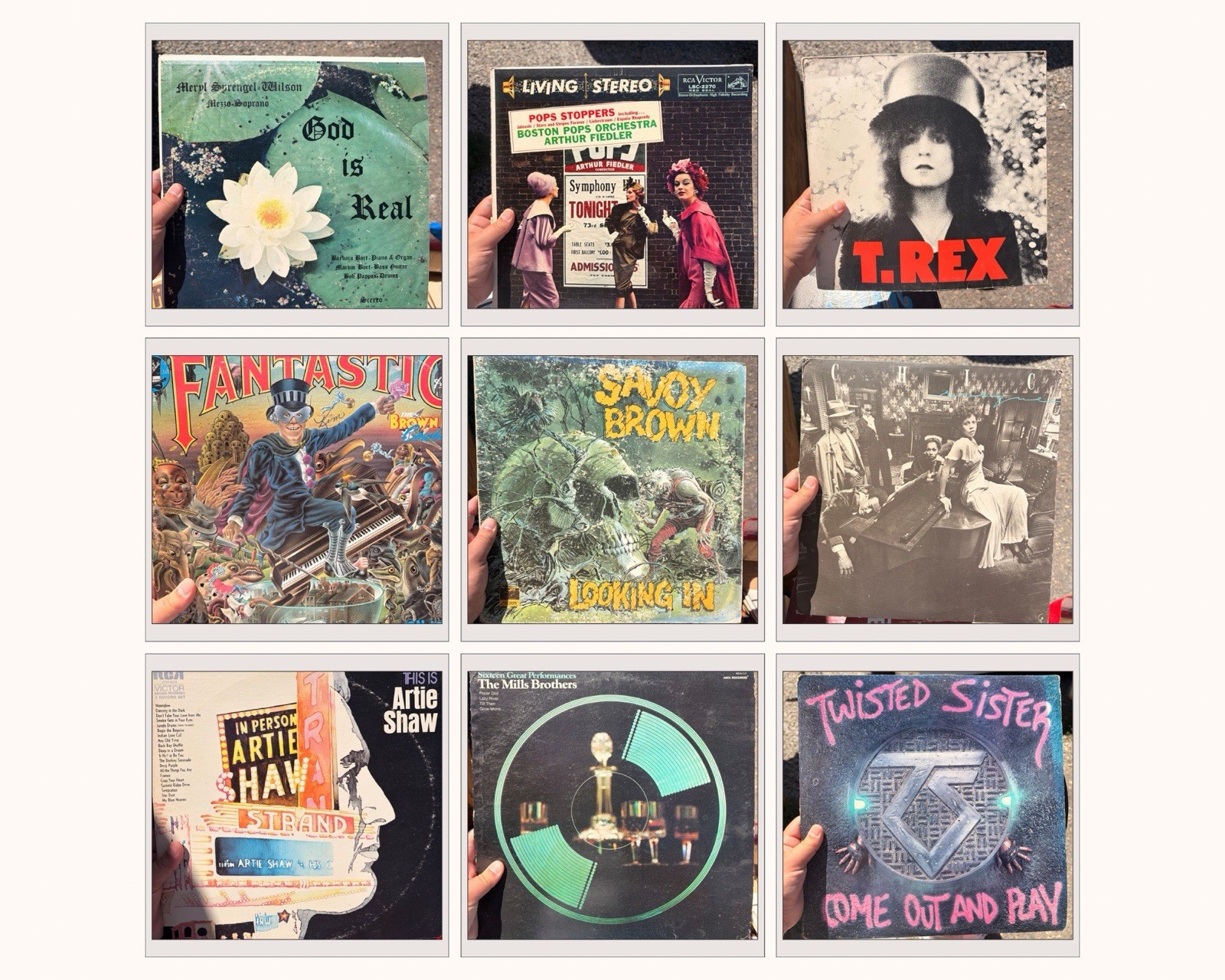
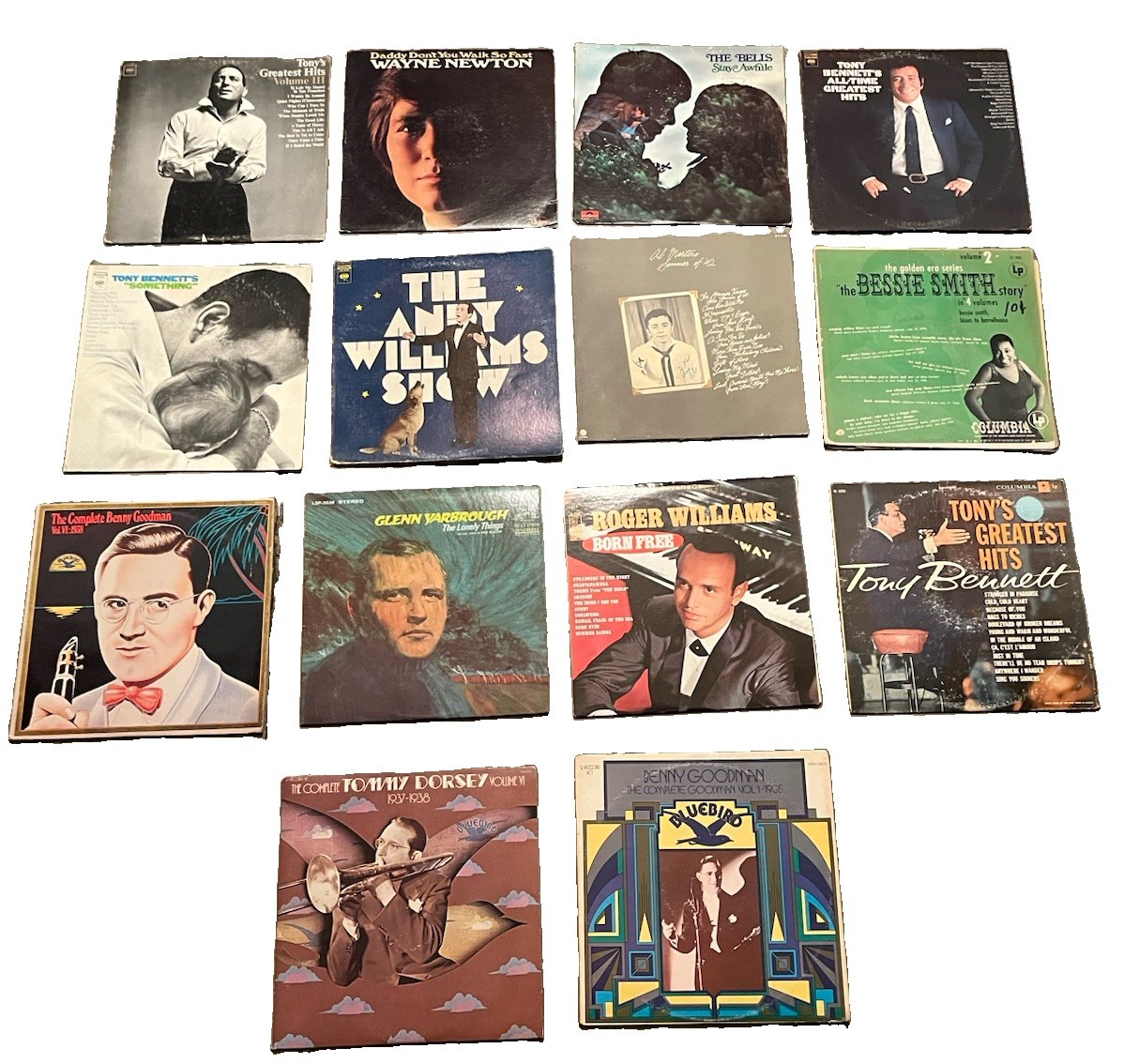


eBay links are affiliate links: JunkPal may earn a commission at no cost to you.
Resale values related to country of origin
Shop country of origin on eBay ↗





JunkPal may earn a commission when you buy through eBay links, at no extra cost to you.
What’s worth the most
Ranked on medians of real closed eBay sales, not asking prices.