What does “unofficial release” mean?
What it means
An unofficial release is a video game distributed or sold outside the official distribution network of the original rights holder. This category encompasses several types: fan-made ports (recreations not sanctioned by the IP owner), pirated copies (unauthorized digital or physical reproductions), and unauthorized regional variants. For collectors, the key distinction is legality and provenance. Unlike officially licensed merchandise, unofficial releases lack the guarantee of authenticity provided by the publisher. The mainstream equivalent is "bootleg" or "unauthorized merchandise."
What it does to price
Unofficial releases carry a significant devaluation factor compared to verified, official stock. A fully sealed, officially licensed copy might command a baseline value of $X. An unofficial version of the same title will typically trade at 30% to 60% of that official value, depending on the perceived quality of the unofficial production. If the unofficial release is a high-quality, functional port (e.g., a well-regarded fan translation), it might hold 70-80% of the price. However, if it is clearly a low-effort rip or counterfeit, the value can drop to near zero, often only covering the cost of the physical media itself. A common example: an official collector's edition might sell for $150; an identical-looking but unofficial version might sell for $75-$100 maximum.
How to spot it
The tells are usually in the fine print and manufacturing quality. Examine the box art for missing or incorrect copyright notices, publisher logos, or region codes that do not match the claimed territory. Print quality on manuals or inserts is often noticeably inferior—blurry text, incorrect color saturation, or cheap paper stock. For digital versions, check file metadata for non-standard developer signatures. A common mistake is an "authorized distributor" sticker that is easily replicated; cross-reference this sticker against known official distributor branding.
Buying smart
Purchasing an unofficial release is only justifiable when the item itself is otherwise unobtainable, or when the perceived value is purely nostalgic and the buyer accepts the risk of non-authenticity. If the goal is investment or high resale profit, an unofficial item is a poor purchase. A fair deal for an unofficial item should reflect its diminished market acceptance. If a known, high-quality unofficial port is being sold for a price exceeding 75% of the official market rate, it is overpaying.
Selling smart
When listing an unofficial release, transparency is mandatory. Do not imply official licensing. The listing description must clearly state "Unofficial," "Fan-Made," or "Unauthorized Reproduction." Providing clear, high-resolution photos of the packaging, especially the back panel and any legal disclaimers, helps manage buyer expectations. The single most valuable piece of evidence for a seller is a photo showing the specific, non-official manufacturing identifier or a known flaw in the reproduction, which proves the item's nature and prevents disputes over authenticity.
On eBay right now
Current asking prices from live listings — not sold-comp medians.


eBay links are affiliate links: JunkPal may earn a commission at no cost to you.
Resale values related to unofficial release
Shop unofficial release on eBay ↗


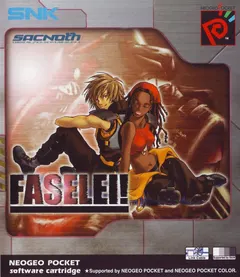



JunkPal may earn a commission when you buy through eBay links, at no extra cost to you.
What’s worth the most
Ranked on medians of real closed eBay sales, not asking prices.