What does “alpha build” mean?
What it means
An alpha build is a pre-release, functional iteration of a video game, existing before the beta or final release candidate stages. It is not a demo or a public test version; it is an internal development snapshot. Mainstream equivalent: a "work in progress" software version. In the collecting niche, the value is tied to its developmental stage, not its playability. Alpha builds are inherently unstable, meaning they contain severe bugs, incomplete mechanics, and unpolished assets. Their significance lies in documenting the game's earliest form.
What it does to price
The price multiplier is highly variable, ranging from 3x to 10x the price of the final retail version, depending on the game's cultural impact. A niche, cult-classic alpha build can command extremely high premiums. A poorly received or obscure title's alpha build might only fetch 1.5x the final retail price, as the market lacks demand. Conversely, an alpha build of a massive, critically acclaimed franchise (e.g., *Halo* or *Zelda*) can easily exceed 50x the retail price if authenticated. A simple, unverified copy might sell for $150; a verified, milestone alpha build of a major title could sell for $3,000+.
How to spot it
Authentication relies heavily on specific identifiers. Look for internal build numbers (e.g., "Build 0.9.2a") embedded in the game files or on accompanying documentation. Early packaging may lack final branding or feature placeholder text. Screenshots or video captures should reveal placeholder assets, missing UI elements, or starkly different graphical fidelity than the final product. Common fakes involve digitally altering retail screenshots to *look* like early builds. Honest mistakes include early promotional demos being mislabeled as full alpha builds. Always request developer notes or internal memos if possible.
Buying smart
Paying a premium for an alpha build is justifiable only when the game itself is a recognized cultural touchstone or has significant historical relevance to the industry. If the game is niche or the franchise is weak, the risk outweighs the reward. A fair deal involves a price that reflects the *rarity* and *provenance* (documented history), not just the existence of the build. If a seller cannot provide clear evidence of the build's origin—such as internal testing logs or specific version control data—the premium should be heavily discounted, treating it closer to a high-end prototype.
Selling smart
The listing must establish verifiable authenticity immediately. Do not list it as "early version"; list it as "Authenticated Alpha Build, Build 1.2.4." The single most valuable asset in the listing is a clear photograph of the build identifier (the version number) displayed within the game environment or on the associated physical media/documentation. A simple statement like, "Verified internal development snapshot," paired with the build number, converts a speculative item into a documented artifact, often justifying a 2x to 3x increase over an unverified listing.
On eBay right now
Current asking prices from live listings — not sold-comp medians.


eBay links are affiliate links: JunkPal may earn a commission at no cost to you.
Resale values related to alpha build
Shop alpha build on eBay ↗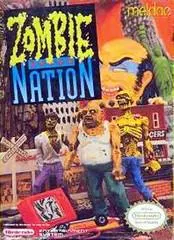
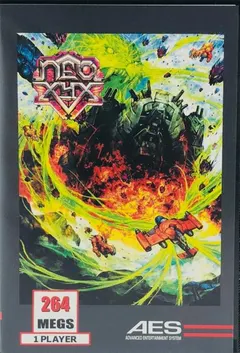
![Nintendo Campus Challenge 1991 [Reproduction]](/api/images/junkpal-products/games/nintendo-campus-challenge-1991-reproduction-nes-price/img0/thumb.webp)
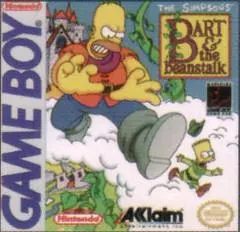
![Secret Scout [Blue]](/api/images/junkpal-products/games/secret-scout-blue-nes-price/img0/thumb.webp)
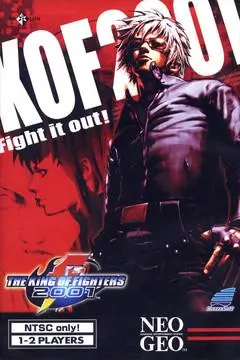

JunkPal may earn a commission when you buy through eBay links, at no extra cost to you.
What’s worth the most
Ranked on medians of real closed eBay sales, not asking prices.