What does “audio fidelity” mean?
What it means
Audio fidelity in video games is the measurable technical quality of the sound output. This encompasses the clarity of individual sound effects, the dynamic range (the difference between the quietest and loudest sounds), the accuracy of the frequency response (how well lows, mids, and highs are reproduced), and the overall sonic richness. For collectors, this is not merely "good sound"; it is the fidelity relative to the hardware limitations of the era. A game with high fidelity means the sound design was executed with precision for its platform, making the auditory experience immersive and technically superior to its peers.
What it does to price
High audio fidelity acts as a quality multiplier, particularly for simulation, RPG, or music-heavy titles. A copy demonstrably featuring superior sound design, especially if accompanied by original manuals or promotional materials, can command a 1.2x to 2.5x premium over a comparable title with average sound. If a game is known for its exceptional soundtrack (e.g., a highly praised orchestral score), the presence of the original media in pristine condition with verified high fidelity can push the asking price up by $20–$50 compared to a worn copy, assuming the base value is modest. Low fidelity, conversely, rarely drives a price down unless the sound is demonstrably corrupted (e.g., severe static or clipping).
How to spot it
Spotting high audio fidelity is rarely about a visible marker on the packaging. It requires verification of the game's technical execution. Sellers should provide gameplay footage or audio clips. Collectors must listen for audio artifacts: excessive digital clipping, muffled low-end frequencies, or tinny highs. For older media, verify that the sound quality matches documented reviews of the title. Fakes or poor reproductions might use stock, low-quality sound assets, which is an immediate red flag. There are no edition markers for audio fidelity; it is a performance metric.
Buying smart
Paying a significant premium for audio fidelity is justified when the sound design is a core selling point of the game itself—such as in a rhythm game or a title known for its groundbreaking sound engine. If the game is a minor title with average gameplay, the audio premium is usually unwarranted. A fair deal involves the asking price reflecting the *proven* quality. If a seller claims "master audio quality" but provides no evidence, the premium is speculative and should be avoided.
Selling smart
To command a premium, the seller must provide objective proof. A simple statement like "Excellent Sound" is insufficient. The listing must include a short, high-quality video clip demonstrating the game's soundscape, focusing on a complex audio scene (e.g., a battle sequence or environmental ambience). This visual proof of sonic quality validates the higher asking price, allowing the seller to confidently list the item at the upper end of the market range.
On eBay right now
Current asking prices from live listings — not sold-comp medians.
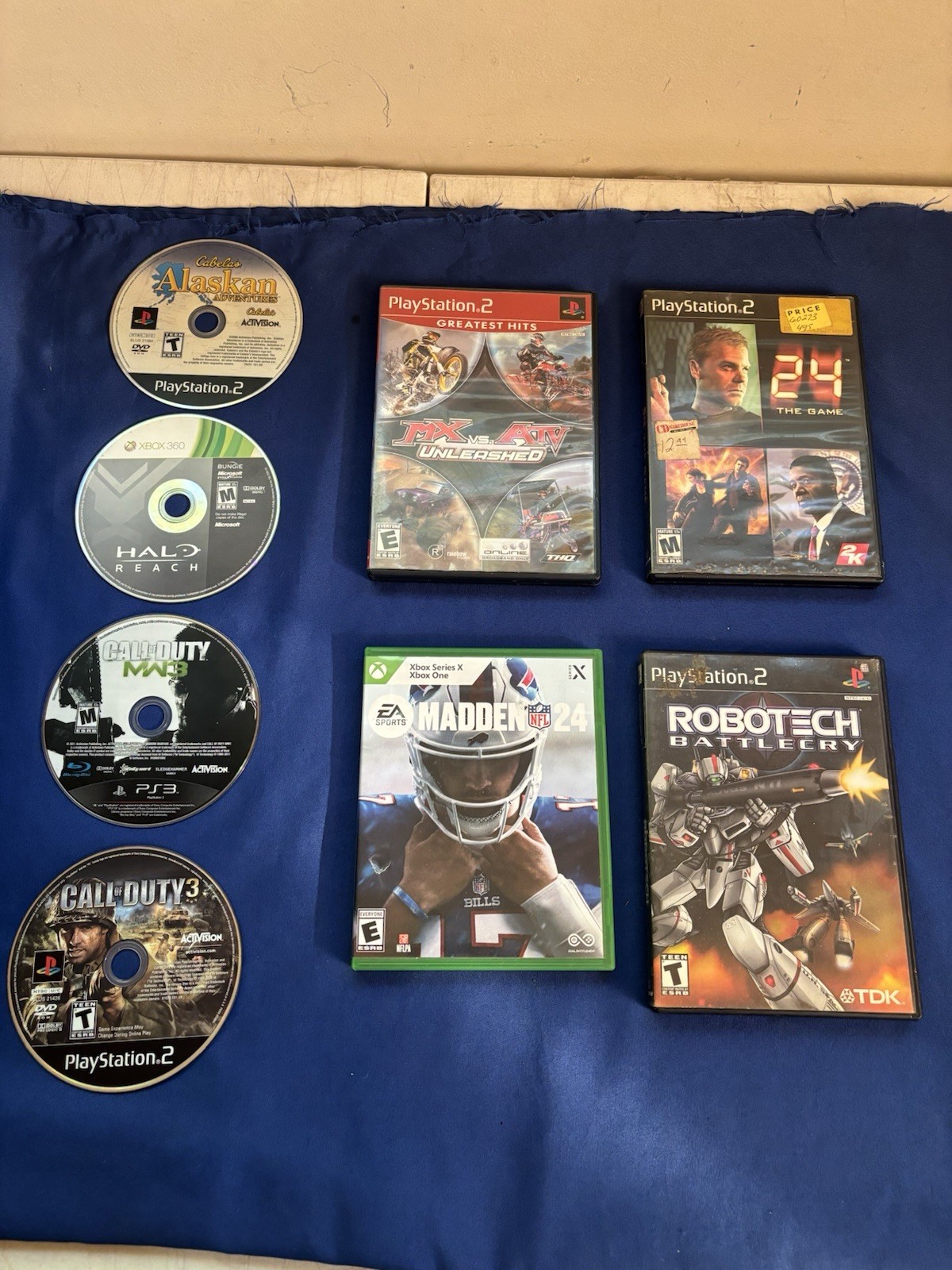


eBay links are affiliate links: JunkPal may earn a commission at no cost to you.
Resale values related to audio fidelity
Shop audio fidelity on eBay ↗

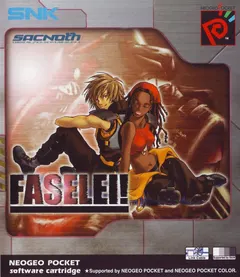

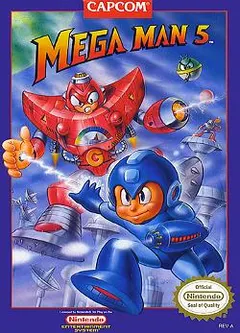
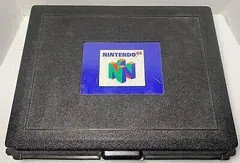

JunkPal may earn a commission when you buy through eBay links, at no extra cost to you.
What’s worth the most
Ranked on medians of real closed eBay sales, not asking prices.