What does “unlicensed” mean?
What it means
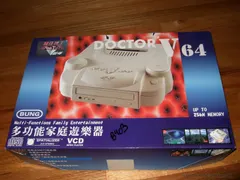
"Unlicensed" refers to video game products—games, cartridges, consoles, or merchandise—that were manufactured without permission from the original intellectual property (IP) owner (e.g., Nintendo, Sony, Capcom). This is the same as counterfeiting or bootlegging. These items imitate legitimate products but lack legal authorization. For the collector market, this means the item is not an officially sanctioned release. The core distinction is legality and provenance; an unlicensed item is a copy, not the original product.
What it does to price
Unlicensed items carry a substantial devaluation compared to authentic goods. A genuine, sealed copy of a sought-after title might fetch \$150; a comparable unlicensed copy typically sells for 10% to 30% of that, perhaps \$15 to \$45. The value is heavily suppressed because the scarcity and authenticity premium is absent. Minor variations in quality—such as poor print resolution or cheap plastic molding—will further drive the price down, potentially to near-zero resale value unless the item is extremely rare or niche.
How to spot it
Detection relies on scrutiny of manufacturing details. Inspect the packaging for blurry text, inconsistent font usage, or incorrect copyright dates. Cartridges and discs should be examined for low-quality molding; genuine items have sharp, precise plastic injection. Look closely at labels for misspellings or incorrect logos. A key tell is the lack of official regional markings or security holograms present on authentic releases. Sellers should provide high-resolution photos of the back of the box and the disc/cartridge labels for verification.
Buying smart
Purchasing unlicensed items is only justifiable for novelty collection or as a very low-cost placeholder for a known title. Never pay a premium for an unlicensed item unless it is explicitly being bought as a "replica" or "fan-made" piece for a specific, non-investment purpose. A fair deal for an unlicensed item is one priced significantly below the market rate for the authentic version, often under 25% of the genuine item's value. If the price approaches the authentic market rate, it is an overpayment.
Selling smart
When selling an unlicensed item, transparency is mandatory. Listing it as "Unlicensed," "Bootleg," or "Replica" manages buyer expectations and prevents disputes. If the item is presented as authentic, the sale will likely be flagged or result in returns. To earn any premium above the absolute rock-bottom price, the listing must clearly detail *why* the item is being sold (e.g., "Garage find, known copy") and provide detailed photos showcasing the differences from official releases. Honesty about its status dictates the final sale price.
On eBay right now
Current asking prices from live listings — not sold-comp medians.


eBay links are affiliate links: JunkPal may earn a commission at no cost to you.
Resale values related to unlicensed
Shop unlicensed on eBay ↗![Zelda Ocarina Of Time [Not For Resale Gold]](/api/images/junkpal-products/games/zelda-ocarina-of-time-not-for-resale-gold-nintendo-64-price/thumb.webp)

![Analogue Super NT [Ghostly]](/api/images/junkpal-products/games/analogue-super-nt-ghostly-super-nintendo-price/img0/thumb.webp)
JunkPal may earn a commission when you buy through eBay links, at no extra cost to you.
What’s worth the most
Ranked on medians of real closed eBay sales, not asking prices.