What does “third party” mean?
What it means
"Third party" in video game collecting refers to any entity—publisher, developer, or accessory maker—that is not the primary console manufacturer (e.g., Sony, Microsoft, Nintendo) or the original IP owner/developer. These entities create content, peripherals, or software *for* a specific platform. The term is not niche jargon; it is standard industry terminology. For collectors, this distinction separates first-party exclusives (games made by the console maker, like a first-party Nintendo title) from licensed or independent content. The market perception of a third-party title is heavily influenced by the reputation of the specific developer or publisher attached to it.
What it does to price
Third-party status introduces variance. A highly acclaimed third-party title (e.g., a critically successful indie darling) can command a premium comparable to a first-party title, sometimes fetching 1.2x to 2x the price of a lesser-known, poorly received third-party release. Conversely, a low-quality or obscure third-party release will trade significantly lower, often at 30-50% of the price of a comparable first-party title. For example, a highly sought-after third-party RPG might sell for $150 CIB, whereas a poorly reviewed third-party shooter for the same console might only fetch $40 loose. The publisher's standing is the primary driver of this price differential.
How to spot it
The tell is always on the packaging or the game disc itself. Look for the distinct logo of the publisher or developer, which will not match the console manufacturer's branding. If the game is a port of an older title, the packaging may indicate the porting studio, which is a third party. When dealing with digital copies or less-than-perfect listings, request a clear photo of the copyright page inside the manual or the back of the game case. Fakes often fail to accurately replicate the specific, small print detailing the publisher versus the developer.
Buying smart
Paying a premium for a third-party title is justified when the game has proven critical acclaim, significant cultural impact, or is a rare, definitive version of a beloved IP. If the game is obscure, critically panned, or the publisher is unknown, the premium is unwarranted. A fair deal involves comparing the specific third-party title against its known market benchmarks. If a well-regarded title is listed at 4x its established average, it is likely overvalued unless it is in pristine, factory-sealed condition.
Selling smart
Listing the specific publisher and developer prominently in the title and description is mandatory. This immediately segments the item for targeted buyers. Instead of listing "PlayStation 1 Game," listing "Third-Party Developer X - Game Title" allows buyers searching for that specific niche to find the item. The single most valuable addition to a listing is a clear, high-resolution photo of the back of the box showing the publisher's logo and name. This documentation proves authenticity and confirms the item's market niche, often justifying a 10-15% price increase over listings where this detail is missing.
On eBay right now
Current asking prices from live listings — not sold-comp medians.


eBay links are affiliate links: JunkPal may earn a commission at no cost to you.
Resale values related to third party
Shop third party on eBay ↗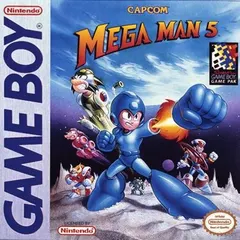
![Super Mario World [First Print]](/api/images/junkpal-products/games/super-mario-world-first-print-super-nintendo-price/img0/thumb.webp)
![Virtua Fighter [Special Training Pack]](/api/images/junkpal-products/games/virtua-fighter-special-training-pack-sega-32x-price/img0/thumb.webp)
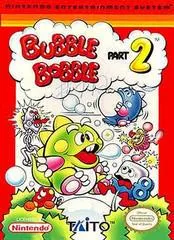

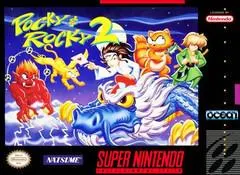
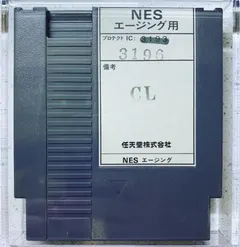
JunkPal may earn a commission when you buy through eBay links, at no extra cost to you.
What’s worth the most
Ranked on medians of real closed eBay sales, not asking prices.