What does “tamper proof” mean?
What it means
Tamper proof refers to packaging, cartridges, or game cases secured with factory-applied seals designed to show evidence of unauthorized opening or modification. This is the industry standard for verifying Original Sealed Condition (OSC). The mainstream equivalent is "factory sealed." For collectors, the integrity of the seal is the primary indicator of the item’s provenance. A genuine, unbroken seal confirms the item has remained in its original, unopened state since leaving the manufacturer. Any breach, tear, or removal of the seal constitutes tampering, instantly moving the item out of the premium sealed category.
What it does to price
The presence of genuine, unbroken tamper-evident seals dictates the highest tier of market value. A complete, sealed-in-box (CIB) copy typically fetches 1.5x to 4x the price of a comparable loose or used copy, depending on rarity. Seals that are intact and pristine command the top end of this range. Minor seal damage—such as a small crease on the plastic wrapping but no actual breach—can reduce value by 10% to 25%. Conversely, a seal that is visibly peeled, cut, or replaced can reduce value by 50% or more, as the item is now classified as "opened" or "resealed," regardless of the internal condition.
How to spot it
Authentic seals are specific to the manufacturer and release window. Look for specific holographic patterns, printed serial numbers, or unique adhesive textures. Many modern seals are pressure-sensitive and leave a distinct residue or pattern when peeled. Common fakes involve poorly replicated plastic wrapping or generic adhesive strips. A common honest mistake is minor shelf wear causing a seal to wrinkle slightly; this is usually acceptable if the seal remains fully attached. Sellers must provide high-resolution, close-up photos of the seal area, specifically showing the manufacturer’s printing on the seal itself, not just the box.
Buying smart
Paying a significant premium for a sealed item is justified when the game is a highly sought-after, scarce title, or when the sealed condition is the specific goal of the collection (e.g., "Mint Sealed" sets). If the game is common or has been widely re-released in sealed packaging, the premium over a loose copy is often not worth the investment. A fair deal for a rare, sealed title requires the asking price to be within 10% of established market averages for authenticated sealed copies. If the seller cannot provide clear, high-resolution proof of the seal’s integrity, the price should be discounted by at least 20% to account for inspection risk.
Selling smart
Proving the seal’s condition is the single most effective lever for maximizing sale price. The listing must include at least one dedicated, high-resolution photograph focused exclusively on the seal area, clearly showing the unbroken nature of the packaging. Using the exact phrase "Factory Sealed" or "Tamper Proof" in the title and description signals to high-end buyers that the item meets the highest standard. This specific documentation allows the seller to confidently anchor the price at the top end of the sealed market range, often netting 20% to 40% more than a listing that only states "Sealed."
On eBay right now
Current asking prices from live listings — not sold-comp medians.


eBay links are affiliate links: JunkPal may earn a commission at no cost to you.
Resale values related to tamper proof
Shop tamper proof on eBay ↗

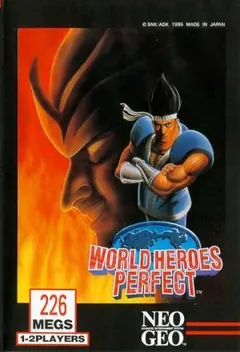
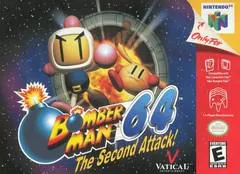

![Jaws [5 Screw]](/api/images/junkpal-products/games/jaws-5-screw-nes-price/img0/thumb.webp)

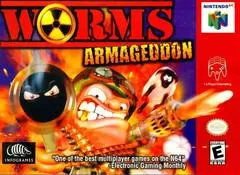
JunkPal may earn a commission when you buy through eBay links, at no extra cost to you.
What’s worth the most
Ranked on medians of real closed eBay sales, not asking prices.