What does “system mod” mean?
What it means
A system mod is a deep-level alteration to the console or PC's foundational software or hardware. This differs from simple ROM hacks or texture replacements, which are game-specific. System mods involve changes to the operating system, bootloader, or internal components of the machine itself. Examples include installing custom firmware (CFW) to enable homebrew applications, hardware modifications for overclocking, or installing specialized chips for enhanced functionality. For the collector, this means the console is running outside its factory-intended operational parameters. The mainstream equivalent is "jailbreaking" or "modding" the base unit.
What it does to price
The presence of a functional, verified system mod creates a value bifurcation. A standard, unmodified unit establishes a baseline market price. A unit with a verified, stable mod can fetch a premium ranging from 20% to 100% above the baseline, depending on the mod's utility. A mod that grants access to highly sought-after, restricted content (e.g., specific emulation capabilities on older consoles) pushes the price toward the higher end of that range. Conversely, an unstable or poorly documented mod introduces risk, potentially depressing the price by 10-25% due to buyer hesitation. For example, a standard Nintendo Switch might sell for $250 loose; the same unit with a verified, stable CFW capable of running specific emulators could command $280–$300.
How to spot it
Spotting a system mod requires technical inspection. For software mods, look for signs of non-standard boot sequences or unique menu structures that differ from official firmware. Sellers should provide screenshots of the system menu displaying the mod's active status or version number. Hardware mods are harder to verify externally; look for unusual external modifications, heat sinks, or visible non-standard components. A common mistake is the seller claiming a mod is present when only a simple, easily reversible patch has been applied. Fakes often involve vague descriptions; a genuine mod has a specific, verifiable name or version number associated with it.
Buying smart
Paying a premium for a system mod is justified only when the mod provides a documented, stable, and highly desirable feature set. If the mod is obscure, undocumented, or requires advanced technical knowledge to operate, the premium is likely unwarranted risk. A fair deal involves the seller providing a clear, written statement detailing *exactly* what the mod does (e.g., "CFW installed, stable on firmware X.X, allows homebrew Y"). If the seller cannot provide this documentation, the unit should be treated as unmodified unless the mod is visually obvious.
Selling smart
Transparency is the primary driver of value here. Listing an item as "Modded" or "Custom Firmware Installed" immediately separates it from the standard market offering. The premium is earned by proving functionality, not just claiming it. The single most valuable piece of evidence is a short, clear video clip demonstrating the mod in action—for instance, booting into the custom menu or running a specific homebrew application. This visual proof validates the claim and allows the seller to command the higher tier of pricing.
On eBay right now
Current asking prices from live listings — not sold-comp medians.


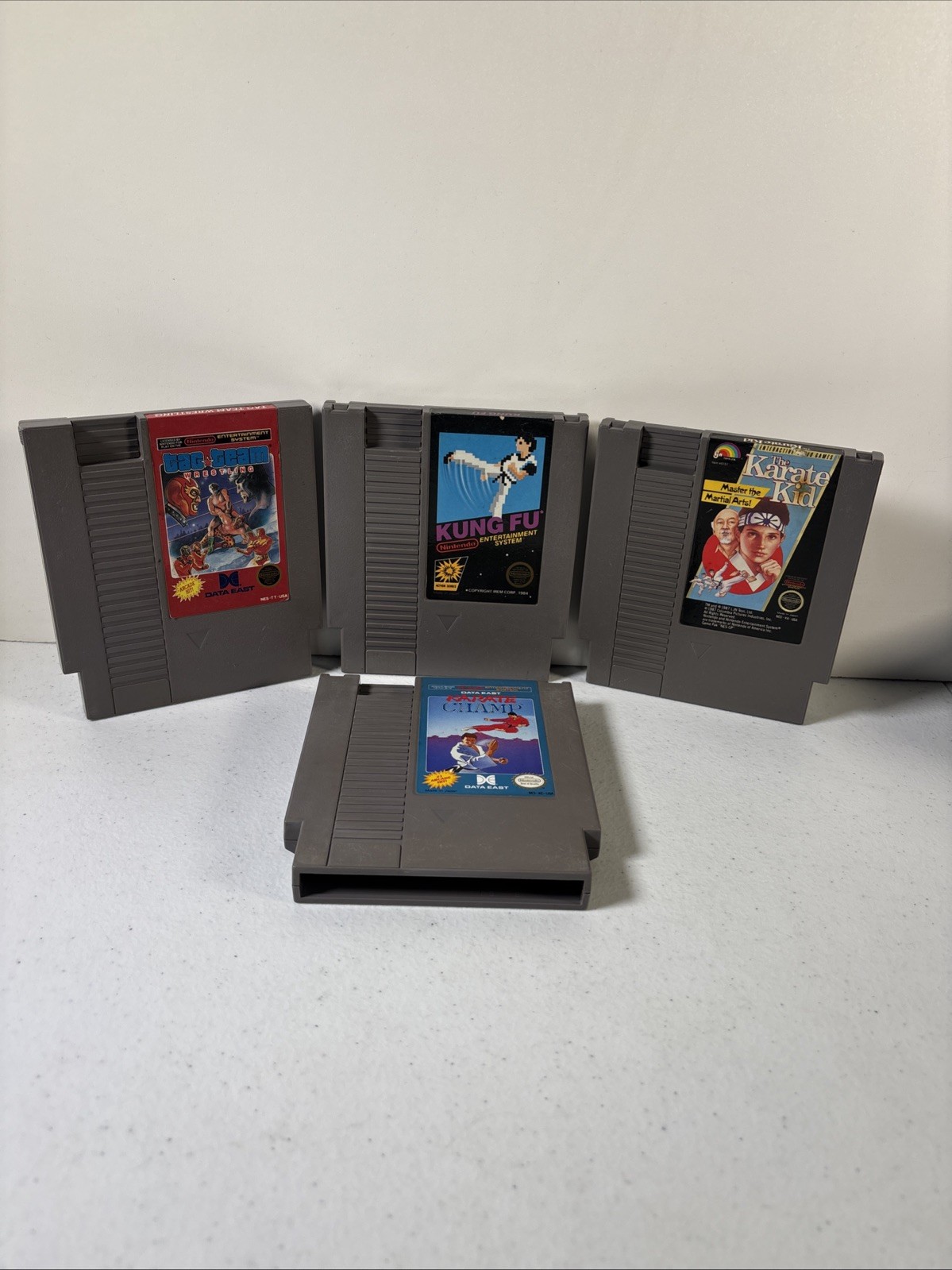


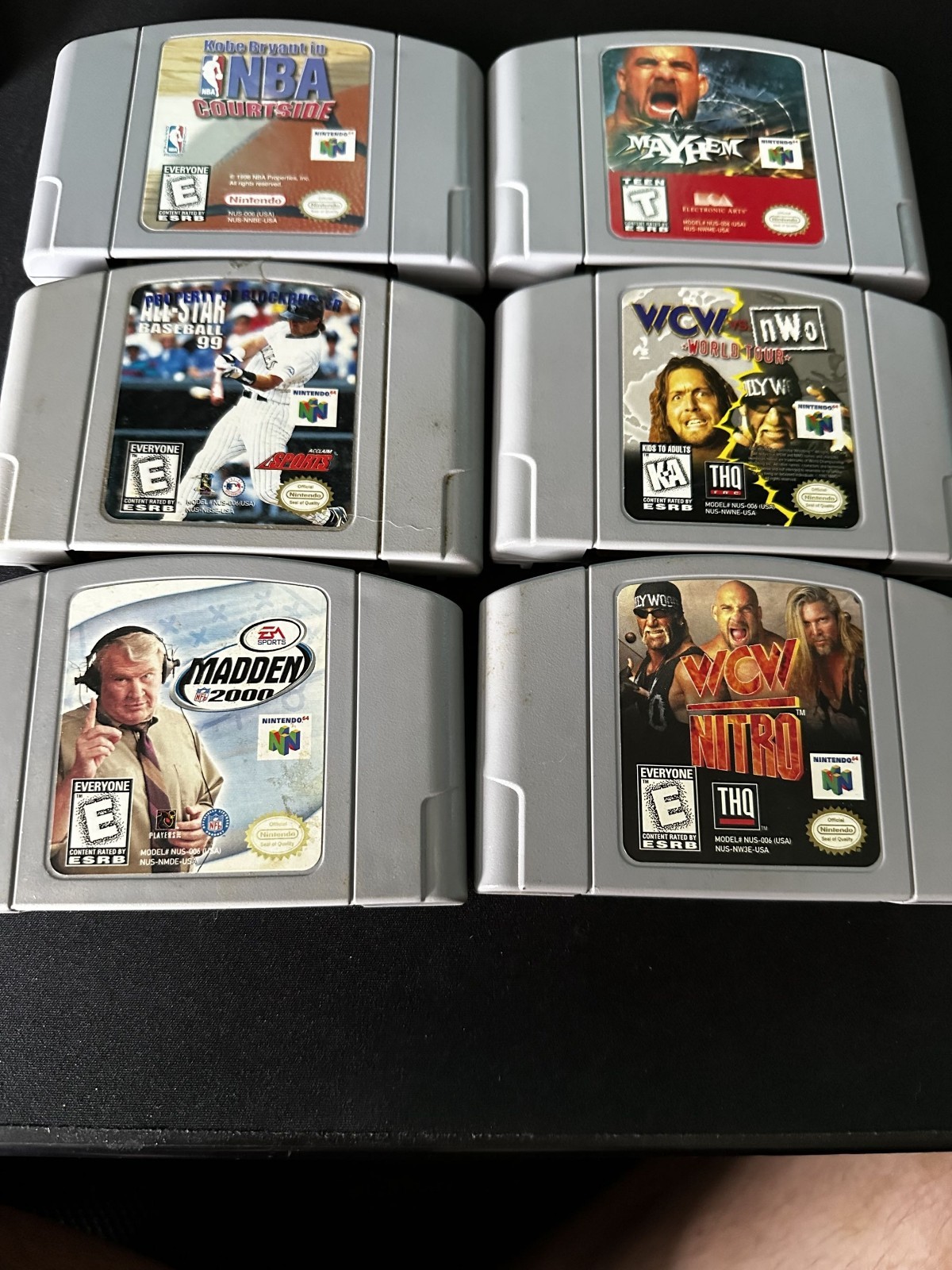
eBay links are affiliate links: JunkPal may earn a commission at no cost to you.
Resale values related to system mod
Shop system mod on eBay ↗
![Divinity: Original Sin II [Kickstarter Backer Edition]](/api/images/junkpal-products/games/divinity-original-sin-ii-kickstarter-backer-edition-pc-games-price/thumb.webp)



JunkPal may earn a commission when you buy through eBay links, at no extra cost to you.
What’s worth the most
Ranked on medians of real closed eBay sales, not asking prices.