What does “system condition” mean?
What it means
System condition is the complete assessment of a video game unit's physical integrity and operational functionality. For consoles, this covers casing scuffs, port integrity, and internal hardware performance (e.g., disc drive function, power cycling). For cartridges, this includes label condition, plastic warping, and pin corrosion. Stick drift in controllers is a functional defect, not just cosmetic wear. The mainstream equivalent is "grade," but in collecting, it is a granular assessment of both aesthetics and engineering reliability. A functional item that looks terrible is valued lower than a cosmetically perfect item that functions identically.
What it does to price
Condition dictates valuation multipliers. A sealed, "New in Box" (NIB) copy can command 3x to 10x the price of a loose, used copy, depending on rarity. A "Near Mint" (NM) condition item typically sells for 1.5x to 2.5x the price of a "Good" (G) copy. Minor cosmetic flaws (light shelf wear, small scratches) usually result in a 5% to 15% deduction. Major functional faults (e.g., persistent disc read errors, controller failure) can drop the value by 50% or more, often rendering the item a parts donor. Example: A $100 loose copy in Good condition might sell for $75 if the power button is sticky.
How to spot it
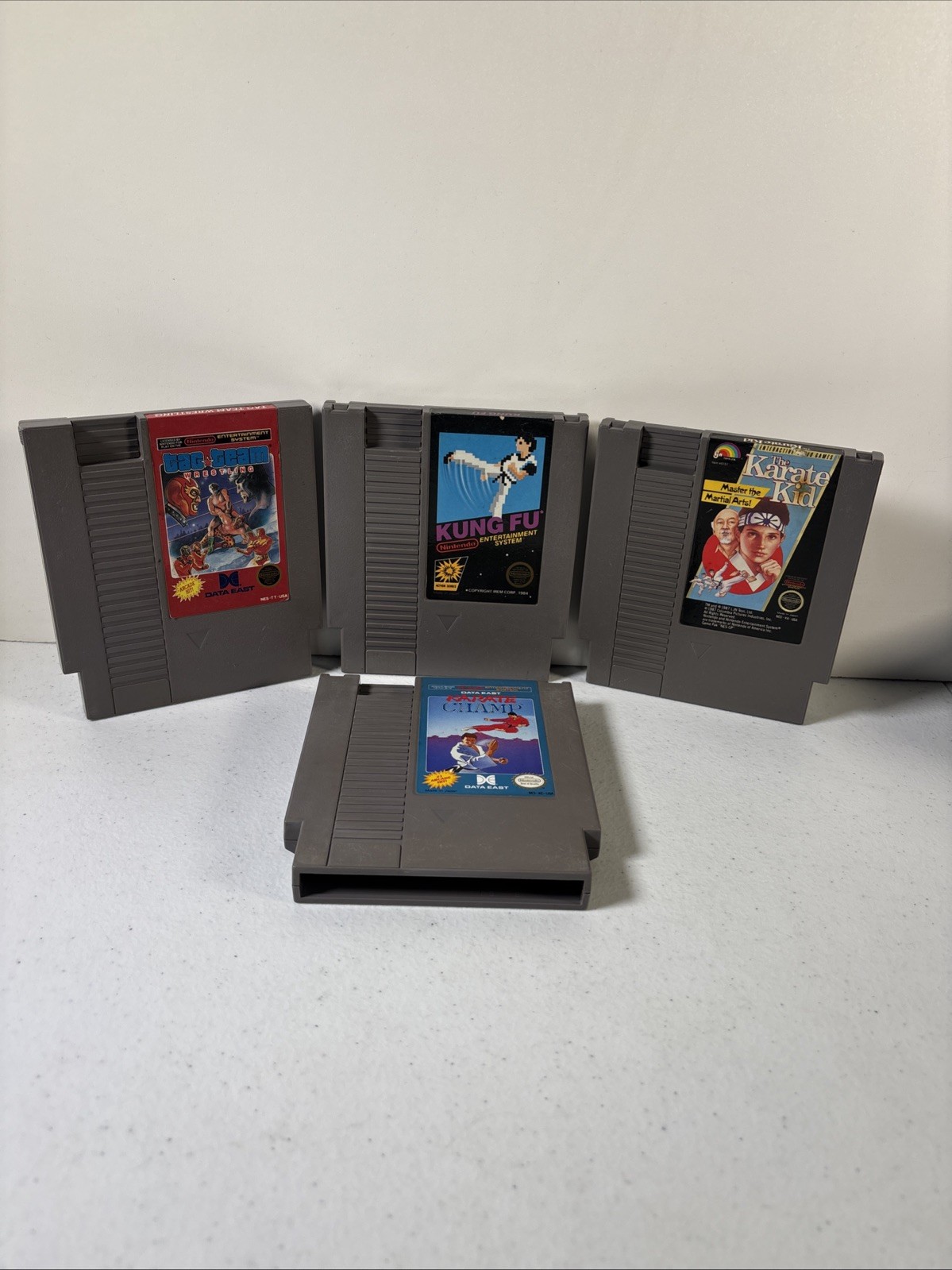
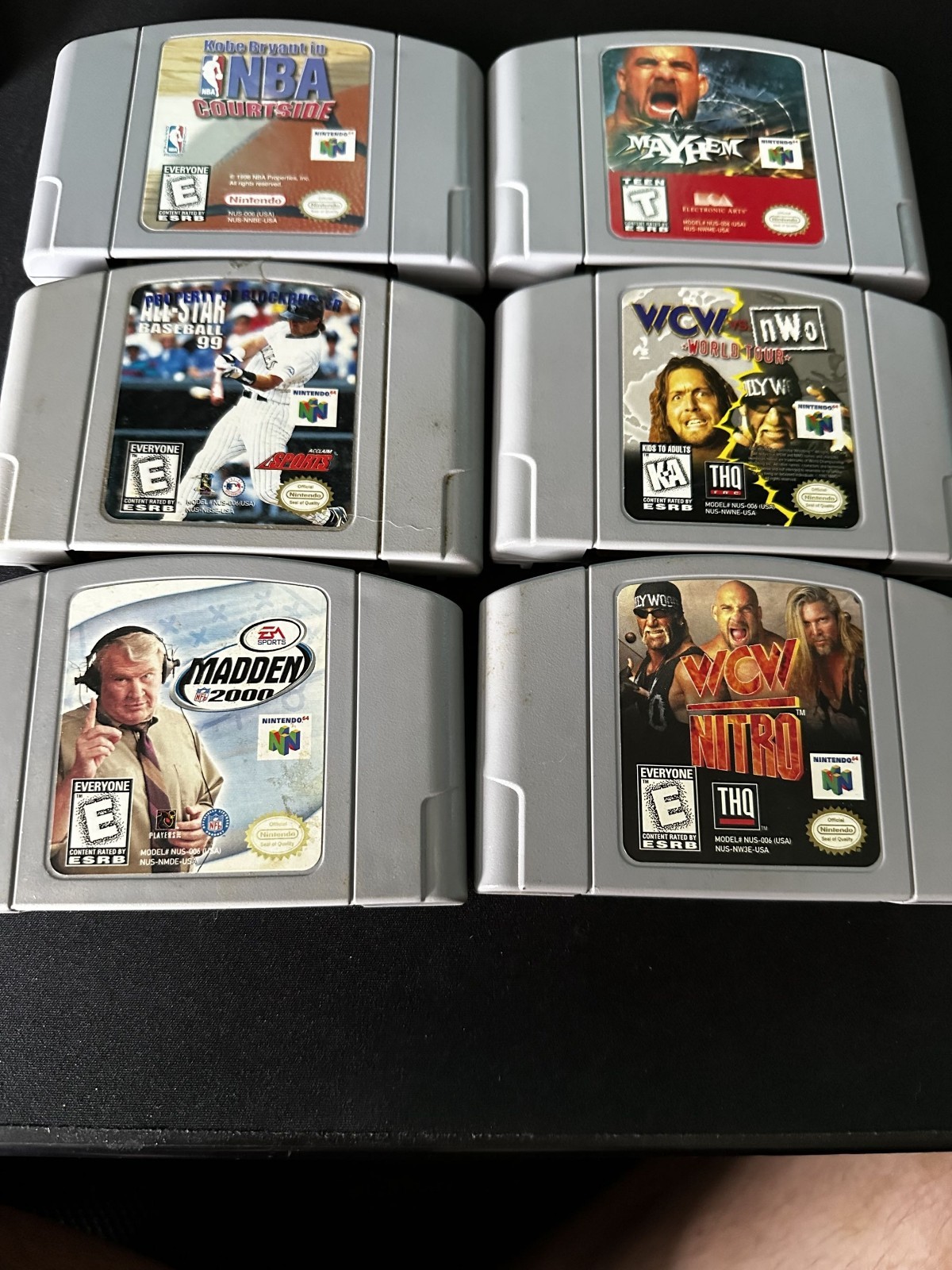
Inspect the plastic housing for stress fractures, deep gouges, or discoloration (yellowing on older plastic). For cartridges, check the label edges for peeling or fading; pin rust is visible as brown residue around the edge connectors. Sellers must provide high-resolution photos of all corners and seams. When assessing function, test every input—all buttons, D-pad directions, and analog stick movement—for consistent response. Common honest mistakes include assuming a minor scuff is acceptable when it is clearly visible in high-res photos. Fakes often have poor plastic molding tolerances or incorrect serial numbering.
Buying smart
Paying a significant premium for condition is justified when the item is a high-value, rare title where display quality is a primary driver of perceived worth. If the item is common or low-value, the cost of achieving "Mint" condition often outweighs the marginal price increase. A fair deal involves a price that reflects the *actual* condition, not the *potential* condition. If a seller claims "Mint" but the photos show significant edge wear, the buyer should negotiate down to the price point matching the visible wear.
Selling smart
Transparency in condition maximizes the realized price. Listing an item as "Excellent" when it has minor, visible surface scratches prevents buyer disputes and returns. The one photo that earns the premium is a clear, well-lit macro shot of the item’s most vulnerable area—often the front label or the console’s main faceplate—showing the absence of damage. Stating "Tested and Fully Functional" is non-negotiable; this single phrase validates the functional aspect of the condition grade.
On eBay right now
Current asking prices from live listings — not sold-comp medians.




eBay links are affiliate links: JunkPal may earn a commission at no cost to you.
Resale values related to system condition
Shop system condition on eBay ↗

![Xbox XDK Development Kit [Transparent Green]](/api/images/junkpal-products/games/xbox-xdk-development-kit-transparent-green-xbox-price/img0/thumb.webp)

![Playstation 4 Pro [Sekiro Shadows Die Twice Edition]](/api/images/junkpal-products/games/playstation-4-pro-sekiro-shadows-die-twice-edition-playstation-4-price/img0/thumb.webp)
![Zombies Ate My Neighbors [Box Variant]](/api/images/junkpal-products/games/zombies-ate-my-neighbors-box-variant-super-nintendo-price/img0/thumb.webp)
JunkPal may earn a commission when you buy through eBay links, at no extra cost to you.
What’s worth the most
Ranked on medians of real closed eBay sales, not asking prices.