What does “sprite animation” mean?
What it means
Sprite animation is the graphical technique in older video games where movement is simulated by rapidly cycling through a sequence of individual, static images, or sprites. These sprites are small, discrete graphical assets representing parts of a character or object. This is the foundational animation method for 8-bit and 16-bit era consoles. It differs from modern, fluid animation (like polygon rendering or skeletal animation) by its frame-by-frame, discrete nature. For collectors, the *quality* of the sprite work—the detail, the color palette usage, and the complexity of the animation cycle—is a direct indicator of the game's original development budget and artistic ambition.
What it does to price
High-quality, complex sprite animation acts as a positive quality indicator, supporting a higher asking price. Games with exceptionally detailed or unique sprite work from a desirable era can command a 20-40% premium over functionally identical titles with simpler graphics. Conversely, poorly animated or repetitive sprite work depresses perceived value. For example, a highly sought-after title known for intricate boss sprites might sell for $150, whereas a mechanically similar title with basic, looping sprites might sell for $80, even if both are CIB. The presence of unique sprite sequences is a tangible feature that justifies a higher valuation tier.
How to spot it
Spotting sprite animation requires examining screenshots or video footage, not just the packaging. Look for distinct "stuttering" or "flipping" between frames during movement sequences, rather than smooth transitions. Sellers should provide video clips demonstrating character movement, not just static box art. A common issue is sprite clipping—when sprites overlap or distort due to poor engine programming. Fakes or poor reproductions often fail to replicate the precise color dithering or palette limitations inherent to the original hardware, which is a telltale sign of non-original assets.
Buying smart
Paying a premium for sprite quality is justified when the game is otherwise highly desirable (e.g., a landmark title, a genre pioneer, or a known masterpiece). If the game is obscure, the sprite quality alone rarely warrants a significant price hike unless the sprites are demonstrably unique or exceptionally beautiful. A fair deal involves a price that reflects the game’s cultural importance *plus* a moderate premium for superior presentation. If the animation is mediocre, the price should align with the mechanical performance, not the graphical flair.
Selling smart
To maximize value, the listing must explicitly highlight the quality of the sprite work. Do not just list the game; describe the animation. Use terms like "fluid sprite work," "intricate sprite design," or "rich 16-bit animation." The single most effective element to include is a short, high-resolution video clip showing a complex action sequence (like a boss attack or a character run cycle). This visual proof immediately validates the claimed production quality and justifies the higher price point.
On eBay right now
Current asking prices from live listings — not sold-comp medians.


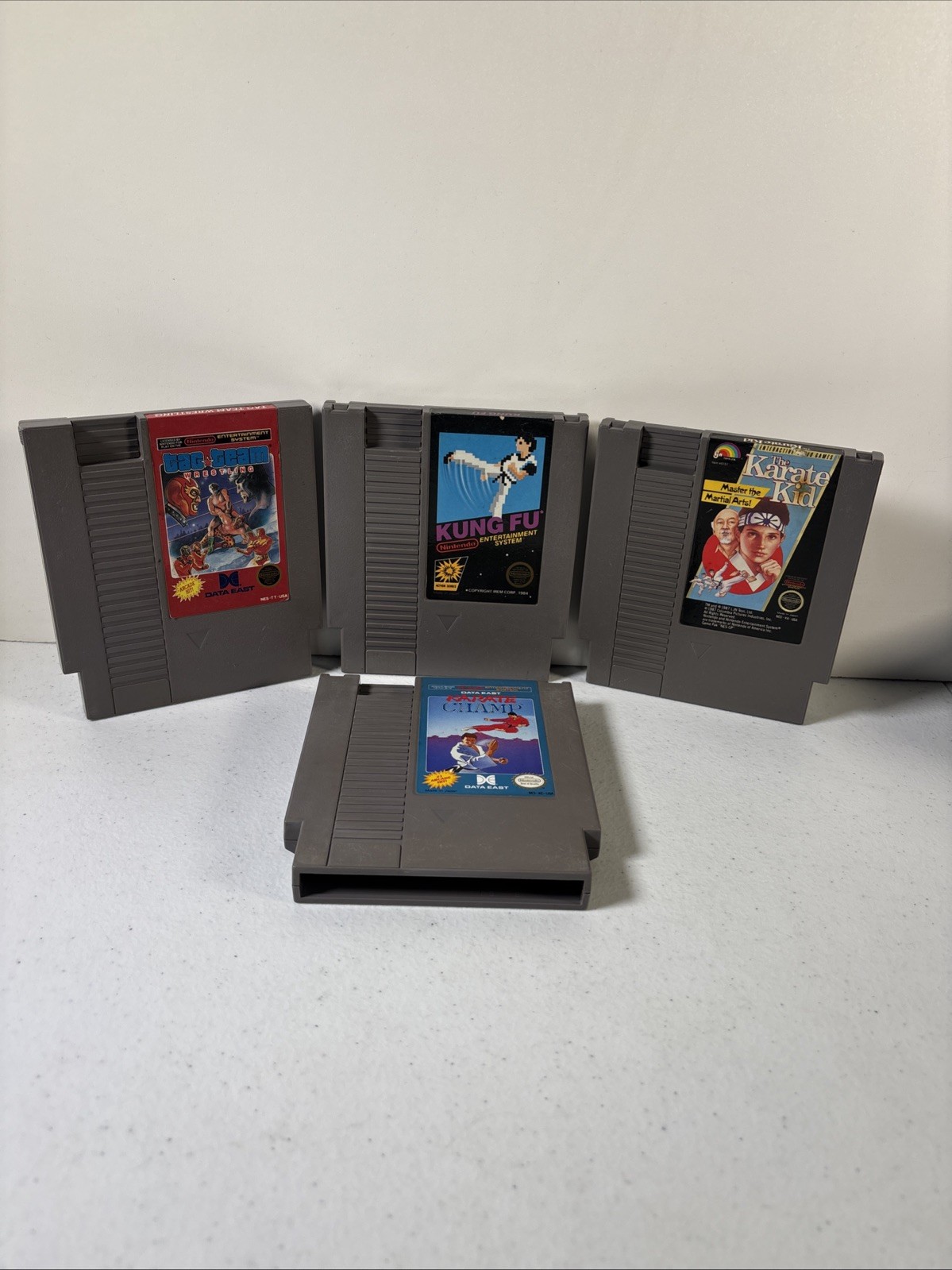


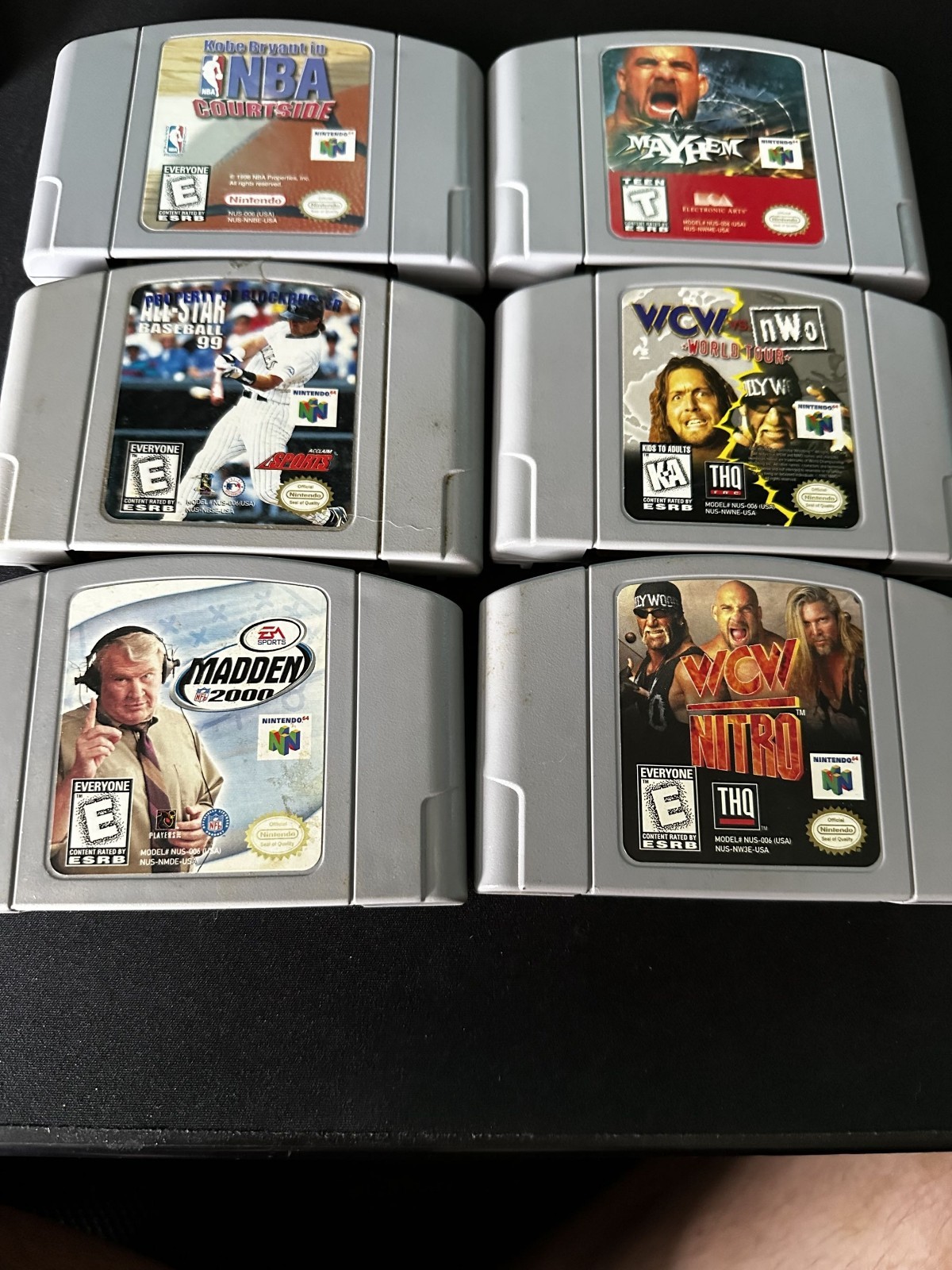
eBay links are affiliate links: JunkPal may earn a commission at no cost to you.
Resale values related to sprite animation
Shop sprite animation on eBay ↗
![Game Boy Advance SP [Pokemon Emerald Super Pak]](/api/images/junkpal-products/games/game-boy-advance-sp-pokemon-emerald-super-pak-gameboy-advance-price/img0/thumb.webp)
![Zelda Majora's Mask [Not for Resale Gray]](/api/images/junkpal-products/games/zelda-majora-s-mask-not-for-resale-gray-nintendo-64-price/thumb.webp)
![Daytona USA Championship [Net Link Edition]](/api/images/junkpal-products/games/daytona-usa-championship-net-link-edition-sega-saturn-price/img0/thumb.webp)

JunkPal may earn a commission when you buy through eBay links, at no extra cost to you.
What’s worth the most
Ranked on medians of real closed eBay sales, not asking prices.