What does “sprite” mean?
What it means
A sprite is a 2D bitmap graphic asset used in video games to depict characters, enemies, items, or environmental details. It is not a 3D model; it is a collection of individual, pre-rendered images that the game engine cycles rapidly to create the illusion of movement (animation). In the collecting niche, the term refers both to the in-game assets and, more relevantly for physical media, the high-fidelity, original artwork derived from these assets. High-quality sprite work signifies strong pixel art design and development polish, directly impacting the perceived aesthetic value of the game itself.
What it does to price
The presence of exceptional, visible sprite work generally supports a higher baseline price for the game, particularly for titles known for strong 8-bit or 16-bit aesthetics. A game renowned for its detailed sprite animation might fetch 20-40% more than a functionally identical title with simplistic graphics. If the sprite art is featured prominently on collector's editions or special packaging (e.g., a deluxe box set showcasing sprite sheets), the multiplier can increase by 1.5x to 2x the base price. Conversely, games with intentionally low-fidelity or "chunky" sprites are priced according to their gameplay mechanics, not their visual polish.
How to spot it
For physical media, the tell is often in the packaging or supplementary materials. Look for game manuals or instruction booklets that contain concept art or technical diagrams featuring sprite sheets—these are direct evidence of the original assets. When examining screenshots or video captures, look for crisp, distinct pixel boundaries rather than blurry or heavily filtered imagery. A common error is mistaking modern, high-resolution pixel art (often used in indie remakes) for original, low-resolution arcade or console sprites. Fakes sometimes use overly smooth scaling filters on original sprite data, which is a giveaway.
Buying smart
Paying a premium for a game based solely on sprite quality is only justified if the sprite work is demonstrably innovative or genre-defining. If the game is technically sound and the sprite art elevates the entire experience, the premium is warranted. If the game is otherwise poor—buggy, repetitive, or shallow—the visual appeal alone does not justify a significant price hike. A fair deal involves the price reflecting the game's overall critical reception *plus* a modest premium (under 30%) for recognized artistic merit.
Selling smart
To maximize value, the listing must explicitly call out the visual quality. Instead of just listing the title, the description should reference the "high-fidelity sprite animation" or "masterful pixel art." Providing a high-resolution photo of the game's box art that clearly displays the character sprites, or a screenshot that highlights the animation, proves the asset quality. The single word "Artistic" used in the title or description, paired with visual evidence, can command a 10-15% bump over a generic listing.
On eBay right now
Current asking prices from live listings — not sold-comp medians.


eBay links are affiliate links: JunkPal may earn a commission at no cost to you.
Resale values related to sprite
Shop sprite on eBay ↗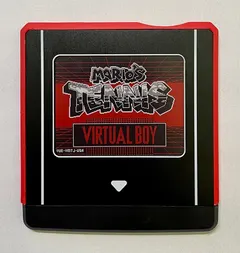

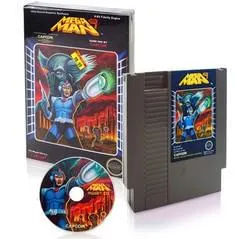
![Space Invaders [Homebrew]](/api/images/junkpal-products/games/space-invaders-homebrew-virtual-boy-price/img0/thumb.webp)
![Super Mario Bros 2J [Homebrew]](/api/images/junkpal-products/games/super-mario-bros-2j-homebrew-nes-price/img0/thumb.webp)


![Analogue Pocket [Kiwi]](/api/images/junkpal-products/games/analogue-pocket-kiwi-gameboy-price/img0/thumb.webp)
JunkPal may earn a commission when you buy through eBay links, at no extra cost to you.
What’s worth the most
Ranked on medians of real closed eBay sales, not asking prices.