What does “software version” mean?
What it means
Software version denotes the specific iteration of a video game title. This goes beyond just the year of release; it refers to the packaging, content inclusions, and distribution tier. Examples include Standard Edition, Deluxe Edition, Collector’s Edition, Regional Variants (e.g., PAL vs. NTSC), and Limited Run printings. The mainstream equivalent is "edition," but in collecting, the version dictates scarcity and component variation. A basic retail copy is the baseline; any deviation—extra art books, unique controllers, exclusive DLC codes—creates a distinct, valued version.
What it does to price
Version dictates price tiers. A standard retail copy sets the floor price. Upgrades are multiplicative. A Collector's Edition often commands a 2x to 5x premium over a sealed standard copy due to physical extras. Limited runs can see exponential increases, sometimes 10x or more, depending on print quantity. Regional variations can introduce minor premiums (5-15%) if the version is highly sought after by a specific collector demographic. A simple mistake, like listing a Deluxe version as Standard, can result in a $50–$150 pricing error on a single unit.
How to spot it
Identification relies on packaging and documentation. Check the box exterior for specific naming conventions (e.g., "Deluxe," "Special Release"). Examine the manual or insert for edition-specific print runs or included bonus materials. For digital versions, check the SKU or product code. Regional differences are often marked by language or region codes printed on the disc or packaging spine. Common errors include confusing a "Special Edition" (a marketing term) with a true, limited-run print. Always request high-resolution photos of the back of the box and any included documentation.
Buying smart
Paying a premium is justified when the version offers verifiable, desirable scarcity or unique physical components. If the premium is for a minor color change or a small piece of generic packaging, the added cost is rarely worth it. A fair deal involves the premium matching the verifiable scarcity. If a seller claims a rare, limited-run version but provides no provenance or proof of limited quantity, the price is inflated speculation. If the version is merely a standard regional swap, the price difference should be minimal.
Selling smart
Proving the version is the primary driver of realized value. Listing the precise edition name (e.g., "Limited Run Japanese Collector's Edition") immediately segments the buyer pool to those willing to pay the highest tier. The single most effective asset is a clear, high-resolution photograph of the edition-specific identifier—be it a unique stamp on the box, a specific serial number, or the inclusion of a unique item like a metal pin. This visual proof validates the price premium.
On eBay right now
Current asking prices from live listings — not sold-comp medians.


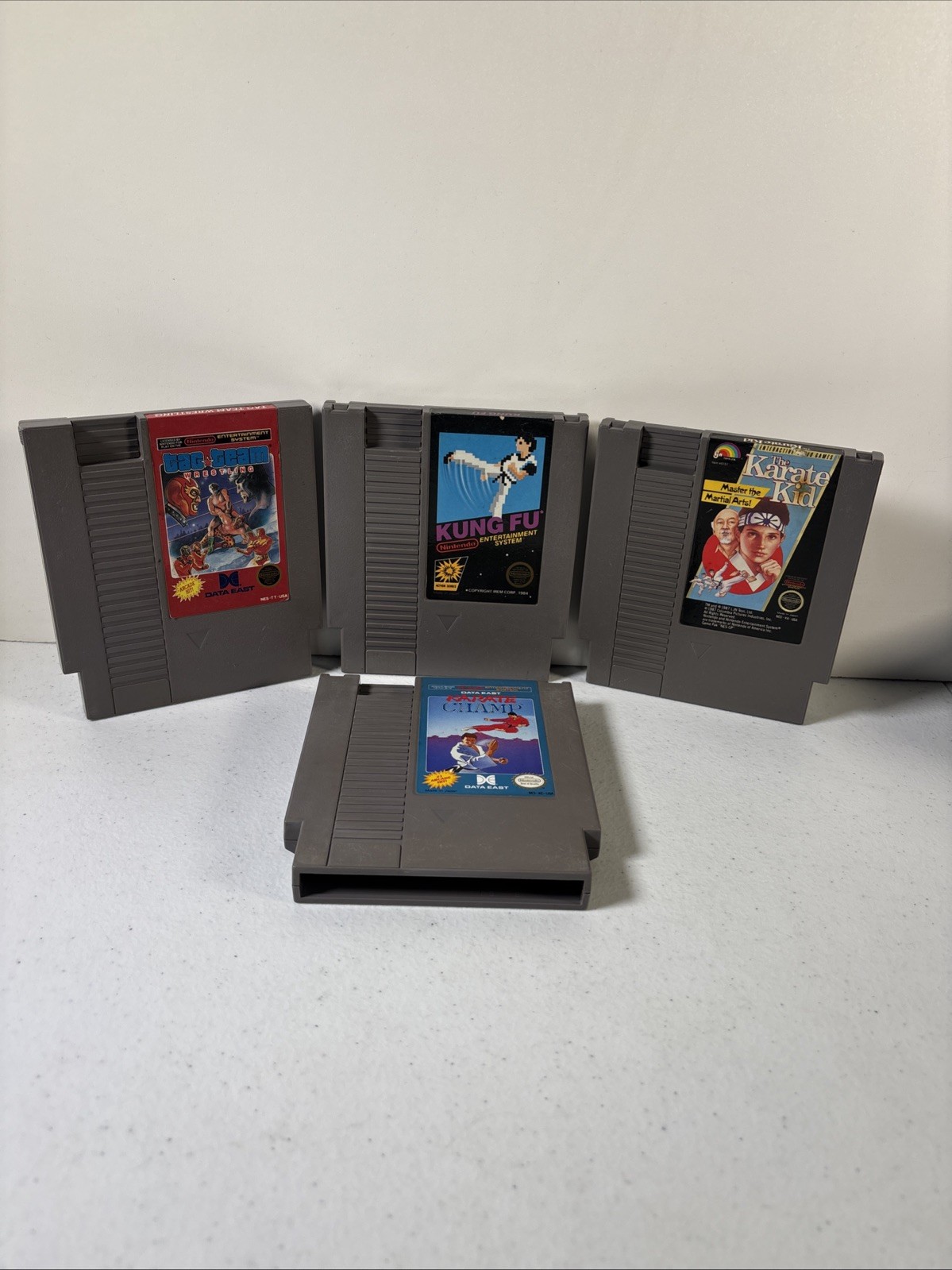


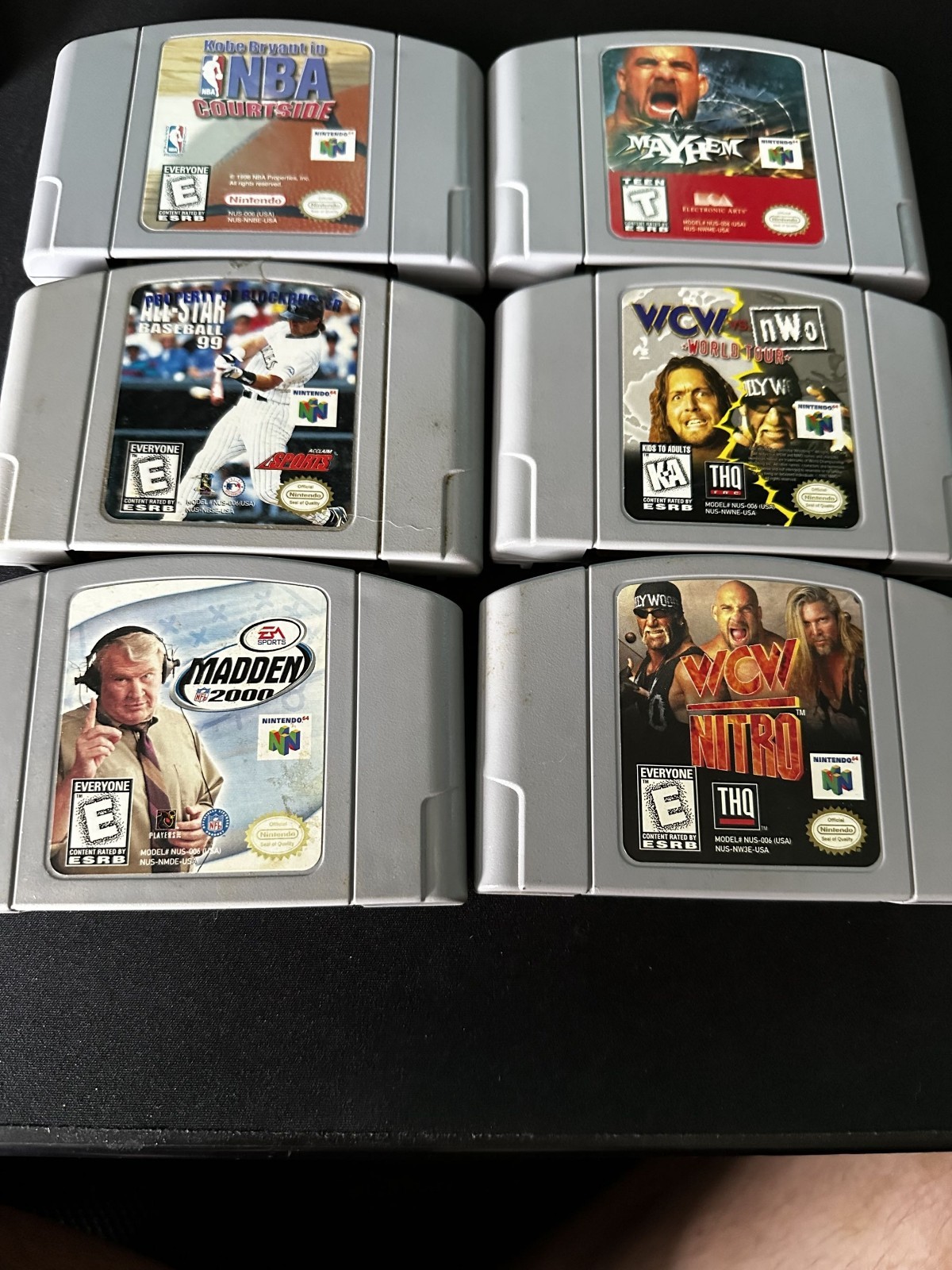
eBay links are affiliate links: JunkPal may earn a commission at no cost to you.
Resale values related to software version
Shop software version on eBay ↗


![Xbox XDK Development Kit [Transparent Green]](/api/images/junkpal-products/games/xbox-xdk-development-kit-transparent-green-xbox-price/img0/thumb.webp)
JunkPal may earn a commission when you buy through eBay links, at no extra cost to you.
What’s worth the most
Ranked on medians of real closed eBay sales, not asking prices.