What does “software integrity” mean?
What it means
Software integrity is the verifiable state of a game’s functional completeness and authenticity. For physical media, this means the disc, cartridge, or tape is free from physical damage (deep scratches, warping, corrosion) that impedes data reading. For digital assets, it means the files are untampered, uncracked, and fully functional according to the publisher’s intended build. The mainstream equivalent is operational condition. A copy with compromised integrity—whether physically damaged or digitally modified—is fundamentally broken and carries minimal collectible value, irrespective of its rarity or box condition.
What it does to price
Integrity is a primary determinant of market value. A fully functional, pristine copy commands a premium over a non-functional or heavily damaged one. For rare titles, a CIB (Complete In Box) copy with perfect integrity can fetch 2x to 4x the price of a comparable copy with cosmetic damage or known boot issues. A copy that is cosmetically fine but fails to boot (integrity failure) can drop in value by 50% or more. For example, a rare collector's edition valued at \$300 might sell for \$120 if the disc is scratched and requires repair.
How to spot it
Physical inspection requires close examination of the media. For discs, check for spider-webbing, deep gouges, or discoloration. For cartridges, inspect contacts for heavy oxidation or bent pins. Digital integrity is harder to spot externally but can be verified via checksums (for digital downloads) or by observing the game's startup sequence. A common mistake is mistaking surface scuffs for functional damage; light surface scratches are often negligible. Fakes often exhibit poor print quality or incorrect region codes, which signals potential integrity issues before even testing the software.
Buying smart
Paying a premium for integrity is mandatory when the game is a high-value investment piece (>$150). If a game is obscure or low-value (<$50), a minor integrity issue might be worth the risk of repair or testing. The premium is justified when the game is sought after for its completeness or historical significance; a broken copy is just a piece of plastic or data. A fair deal includes the seller providing evidence of functionality, such as a short video proof of boot-up, especially for high-priced items.
Selling smart
Documenting integrity elevates a listing from a speculative sale to a verified transaction. Highlighting "Tested and Verified Working" immediately removes a major barrier to purchase for serious collectors. The single most valuable piece of evidence is a short, clear video clip demonstrating the game loading and running without error. This proof allows the seller to command the top end of the market price range, often securing a 10-20% premium over listings that merely state the item is "in good condition."
On eBay right now
Current asking prices from live listings — not sold-comp medians.


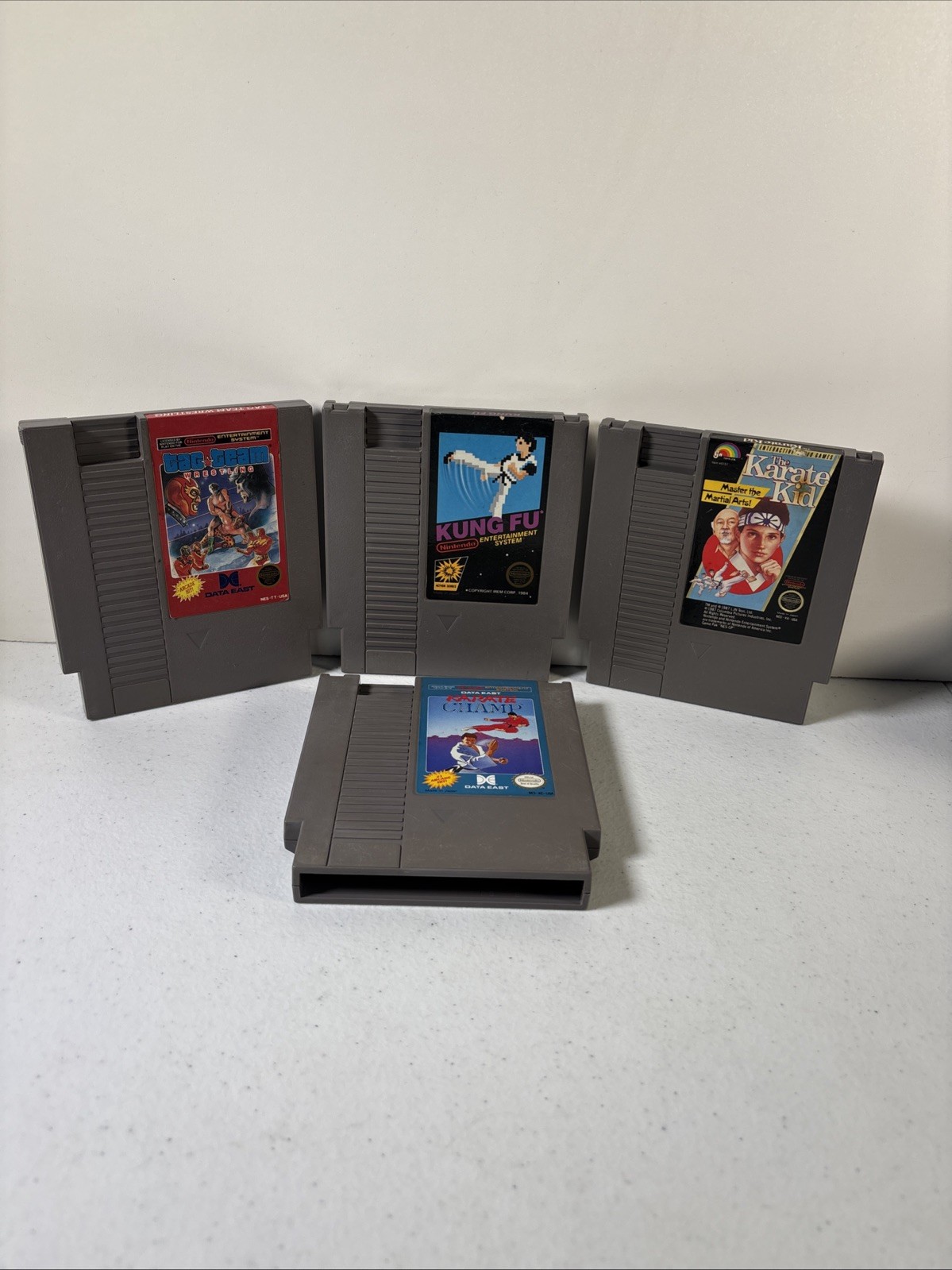


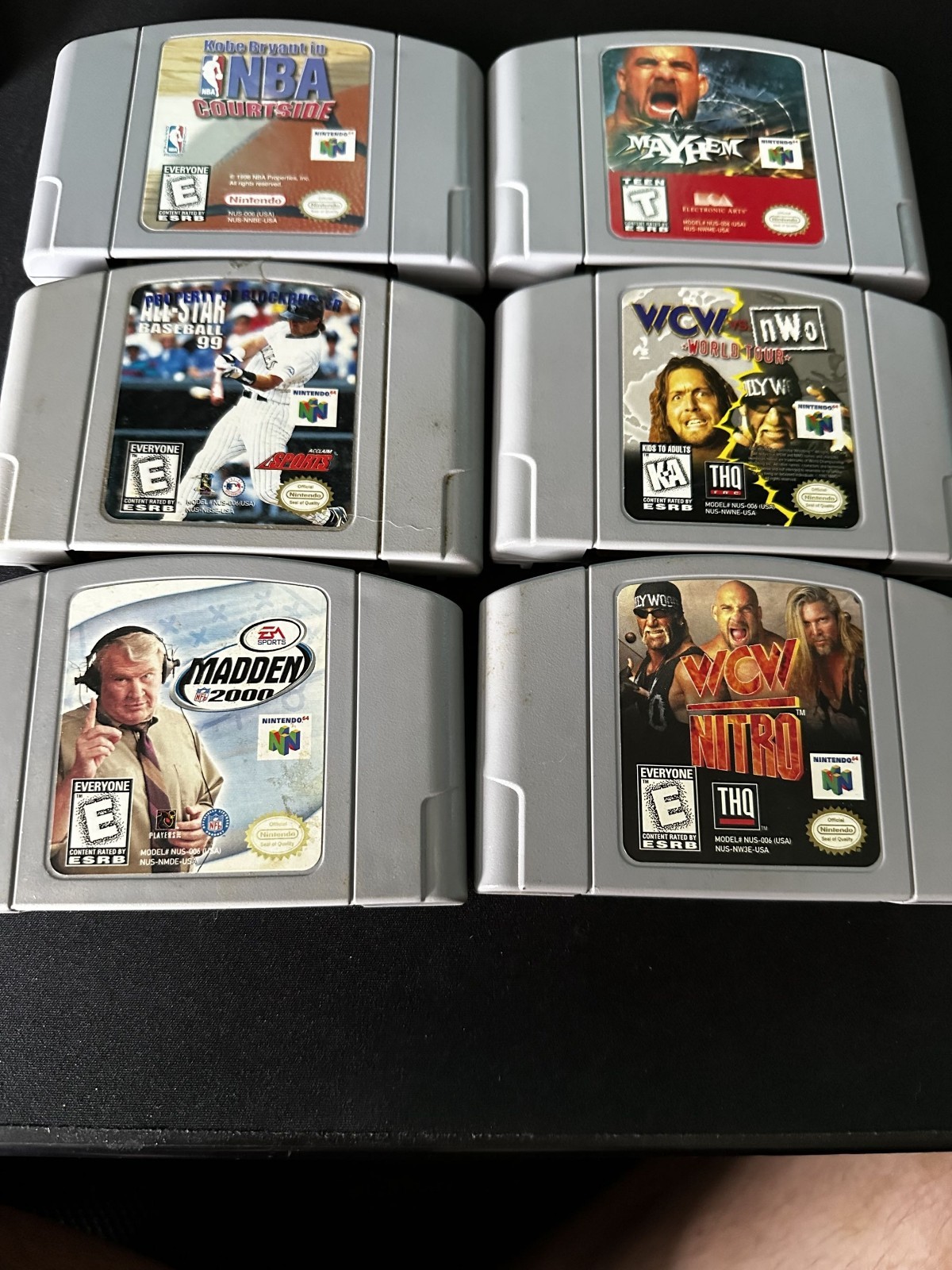
eBay links are affiliate links: JunkPal may earn a commission at no cost to you.
Resale values related to software integrity
Shop software integrity on eBay ↗
![Gothic II [Limited Edition]](/api/images/junkpal-products/games/gothic-ii-limited-edition-pc-games-price/thumb.webp)
![Syphon Filter 3 [911 Edition]](/api/images/junkpal-products/games/syphon-filter-3-911-edition-playstation-price/thumb.webp)
JunkPal may earn a commission when you buy through eBay links, at no extra cost to you.
What’s worth the most
Ranked on medians of real closed eBay sales, not asking prices.