What does “software emulation” mean?
What it means
Software emulation is the use of specialized software (an emulator) to replicate the function of older hardware, such as a Nintendo Entertainment System or Sega Genesis. This allows classic video games, typically stored as digital files called ROMs, to run on modern, compatible devices like PCs or smartphones without the original console. In the collecting niche, this refers specifically to digital packages or setups that include the necessary emulator software and game files. It is distinct from physical media; the value lies in the digital accessibility, not the tangible artifact.
What it does to price
The presence of emulation software drastically lowers the inherent scarcity value compared to original physical media. A loose, verifiable ROM set might sell for $5–$25 depending on the game's obscurity. Digital bundles featuring emulation software rarely command the premium associated with sealed or CIB (Complete In Box) physical copies, which can fetch 5x to 20x the loose price of the game itself. If a listing bundles a rare physical game *with* a high-quality emulator, the emulator adds minimal value—perhaps $5–$15—unless the emulator itself is a rare, proprietary piece of software.
How to spot it
The tell is the file format and distribution method. Physical media has cartridges, discs, or boxes. Emulation is identified by software installations, configuration files, and game files ending in common formats like `.nes`, `.smd`, or `.zip`. Sellers listing emulation packages must provide proof of the software's legitimacy if authenticity is claimed. A common mistake is sellers mislabeling a digital download as a physical cartridge. Always request screenshots of the software interface to confirm it is an emulator and not just a game running through a modern compatibility layer.
Buying smart
Paying a premium for emulation is only warranted when the physical hardware is unavailable, broken, or prohibitively expensive. If a collector seeks the "authentic experience," paying for a CIB copy is necessary. For casual play or accessibility, a legal, well-documented emulation package is a cost-effective alternative. A fair deal for a digital package should reflect the licensing cost of the ROMs, not the collector premium. If the digital package is advertised as a "museum-grade archival copy," the price must reflect the quality of the source material, not just the convenience.
Selling smart
Listing an emulation package requires absolute clarity. The word "Emulation" or "Digital Package" must be prominent in the title and description. This manages buyer expectations immediately, preventing disputes over condition or authenticity. A single, clear screenshot showing the game running within the specified emulator software earns the premium for "functional digital setup." Omitting this detail and implying physical media will result in immediate returns and negative feedback, regardless of the initial asking price.
On eBay right now
Current asking prices from live listings — not sold-comp medians.


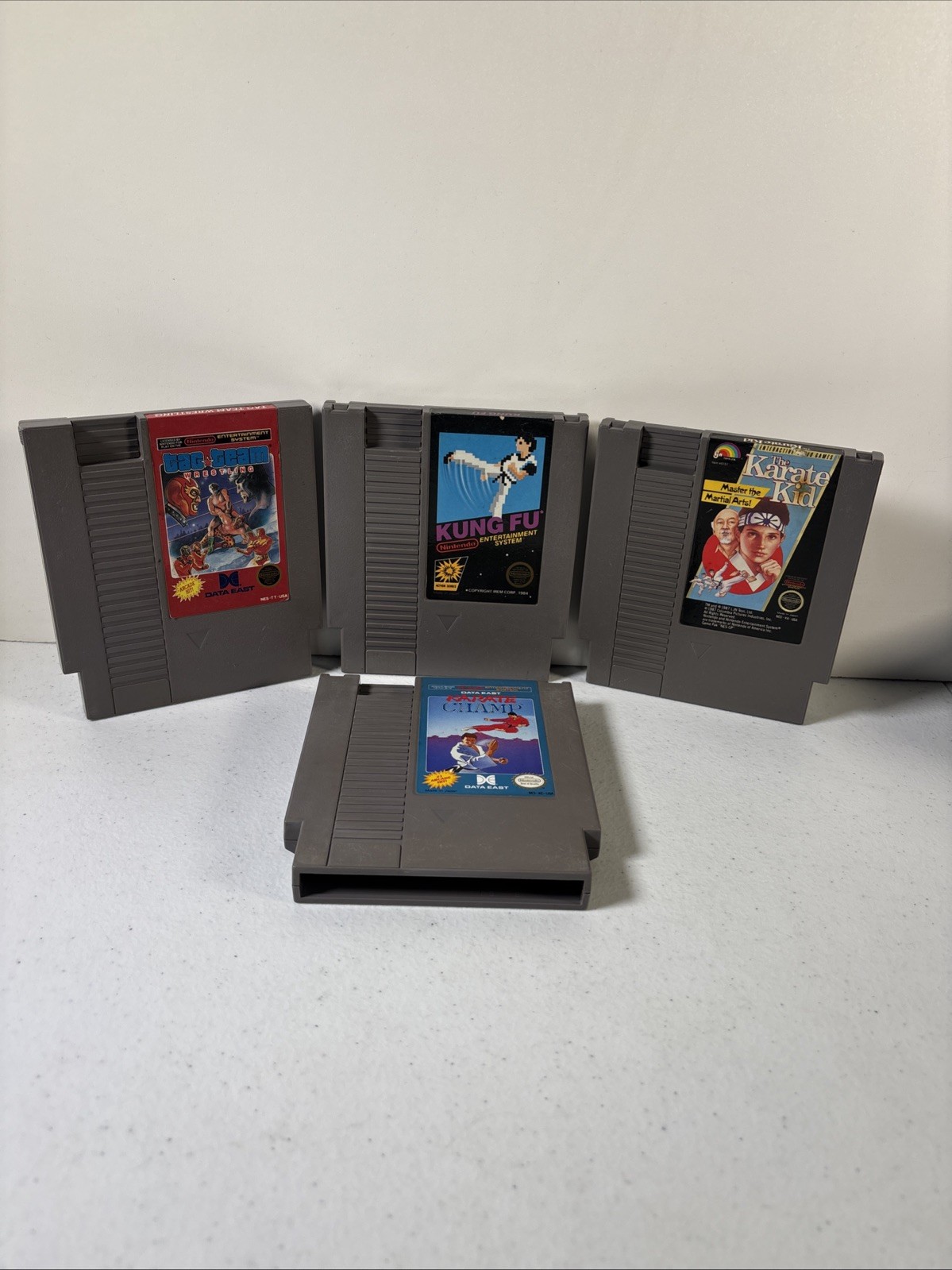


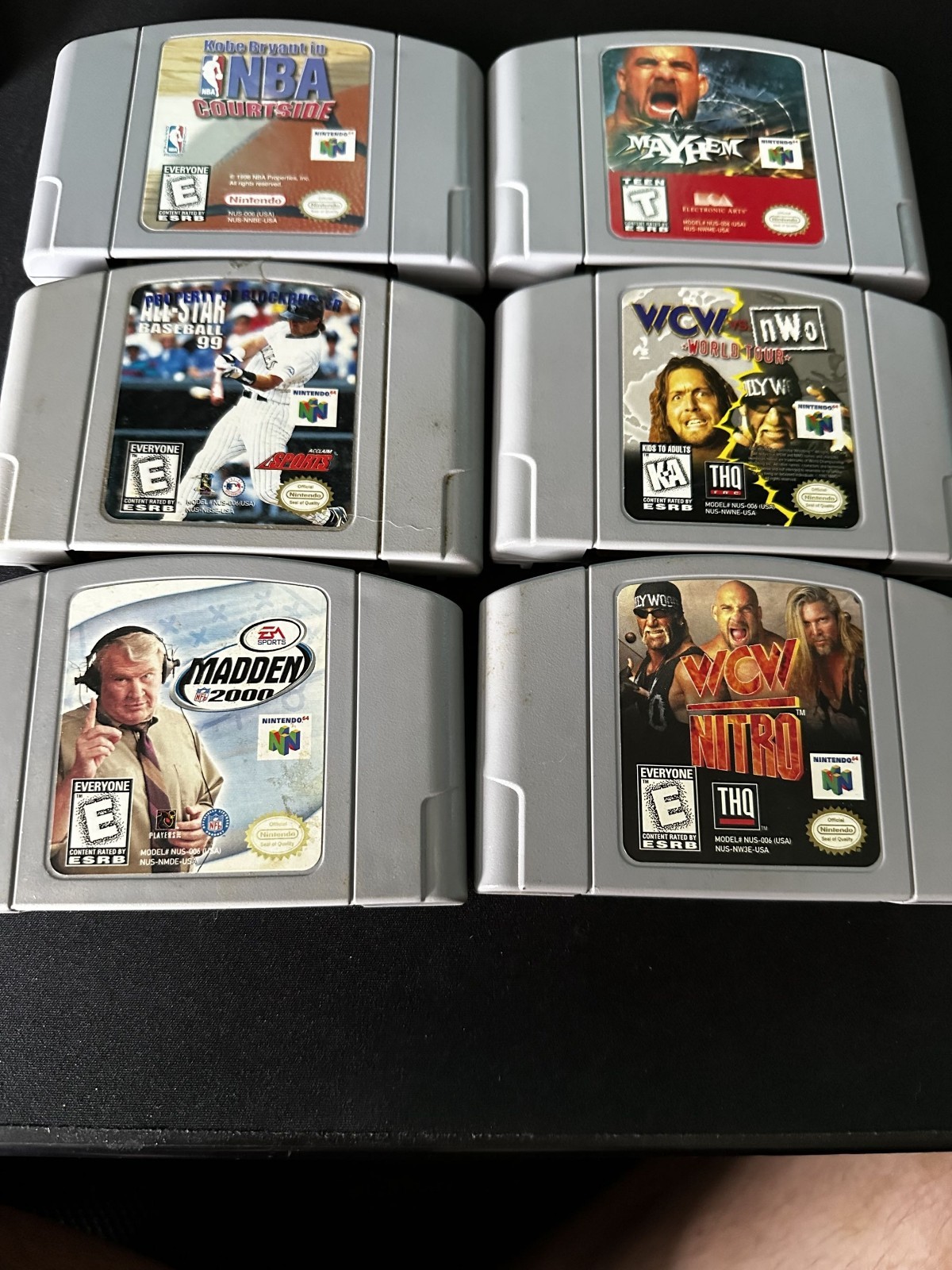
eBay links are affiliate links: JunkPal may earn a commission at no cost to you.
Resale values related to software emulation
Shop software emulation on eBay ↗
![Donkey Kong 64 [Not for Resale Gray]](/api/images/junkpal-products/games/donkey-kong-64-not-for-resale-gray-nintendo-64-price/img0/thumb.webp)
![Pokemon [Not for Resale Deoxys]](/api/images/junkpal-products/games/pokemon-not-for-resale-deoxys-nintendo-ds-price/img0/thumb.webp)




JunkPal may earn a commission when you buy through eBay links, at no extra cost to you.
What’s worth the most
Ranked on medians of real closed eBay sales, not asking prices.