What does “slimline” mean?
What it means
"Slimline" in video game collecting refers to a deliberately reduced physical footprint of a console, peripheral, or game packaging. It is not simply a smaller version, but a specific design iteration intended for compactness or portability. This term applies to hardware (e.g., a smaller handheld system) or sometimes to packaging variants where the box dimensions are noticeably reduced compared to the standard retail release. The mainstream equivalent is "compact edition" or "portable model." The significance is rooted in design history; slimline models often represent a specific evolutionary phase of the original product line.
What it does to price
The impact on price is entirely dependent on whether the slimline designation is a mass-market revision or a limited-run variant. A standard, mass-produced slimline revision (e.g., a later, sleeker console model) typically holds value comparable to the original, perhaps fetching 10-20% less due to lower initial demand. However, a genuine, limited-edition slimline release—often tied to a specific regional or promotional push—can see a significant premium. If a standard version sells for $150, a verified, limited-run slimline counterpart could fetch $300 to $500, representing a 2x to 3.3x multiplier. A common downward pressure is poor condition or missing original packaging.
How to spot it
Identifying a slimline requires cross-referencing model numbers, not just visual inspection. Look for specific SKU changes on the base unit or the outer shell of the packaging. For hardware, compare the dimensions against the original model listed in manufacturer specs. For software, check the back cover printing for edition codes. Sellers must provide high-resolution photos of the unit's serial number area and the box's UPC/model number. Common mistakes involve confusing a "slimline" model with a simple cosmetic repaint or a regional variant that is not officially designated as a slimline iteration.
Buying smart
Paying a premium for a slimline item is justifiable only when the designation is verifiable as a limited or exclusive release. If the slimline version is merely a cost-saving, mass-market iteration, the price premium is unwarranted. A fair deal involves paying no more than 1.5x the price of the standard version unless documented scarcity exists. If a seller claims "slimline" without providing the specific model number or documentation proving limited production, the item should be treated as standard stock.
Selling smart
To maximize resale value, the listing must explicitly state the specific model number and confirm the slimline designation. Do not rely on vague descriptions. The single most valuable piece of evidence is a clear, close-up photograph of the product's official model or SKU sticker. This photo moves the item from a general collectible to a verifiable variant, justifying the premium and attracting specialized buyers willing to pay for design differentiation.
On eBay right now
Current asking prices from live listings — not sold-comp medians.


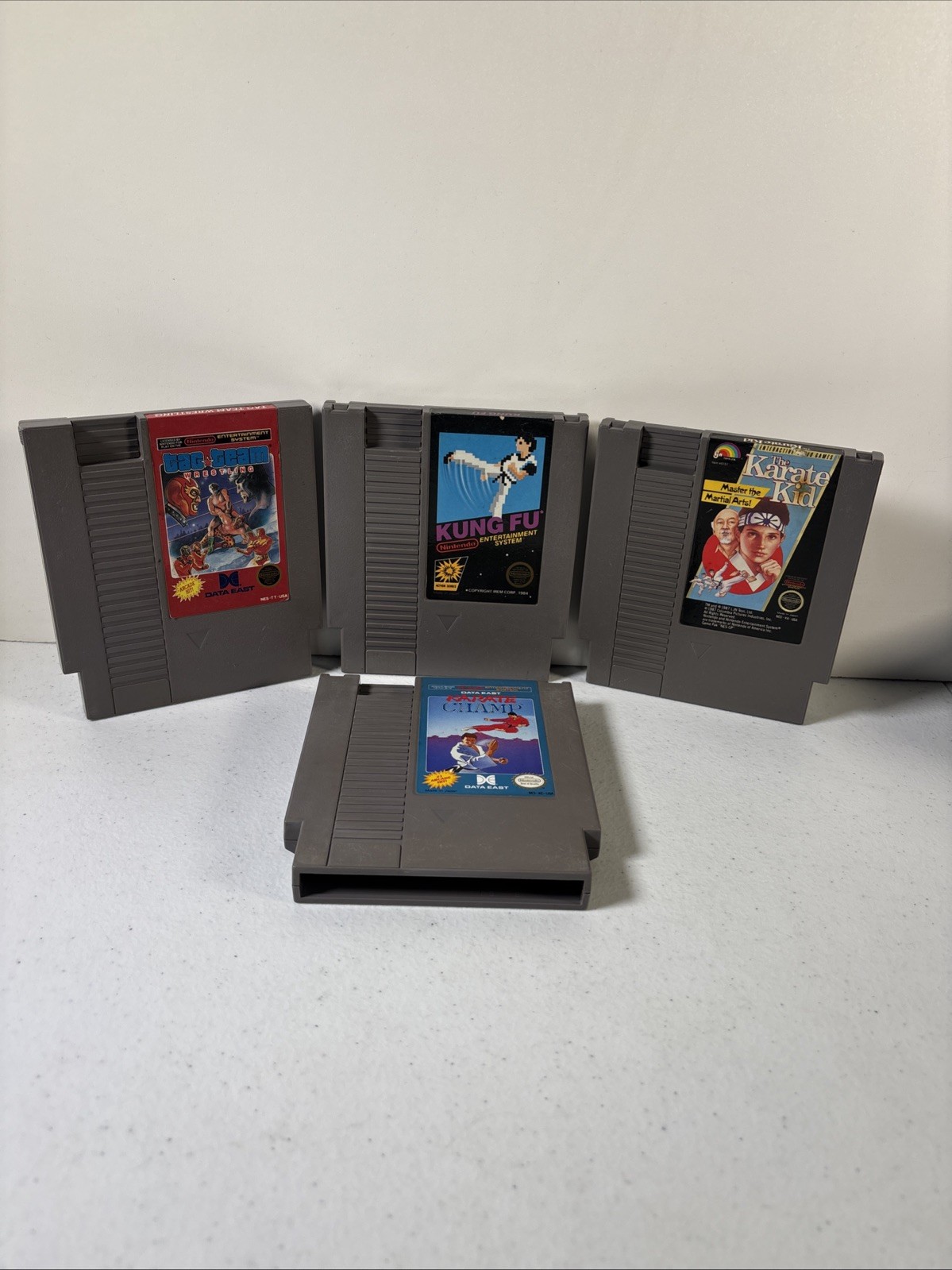


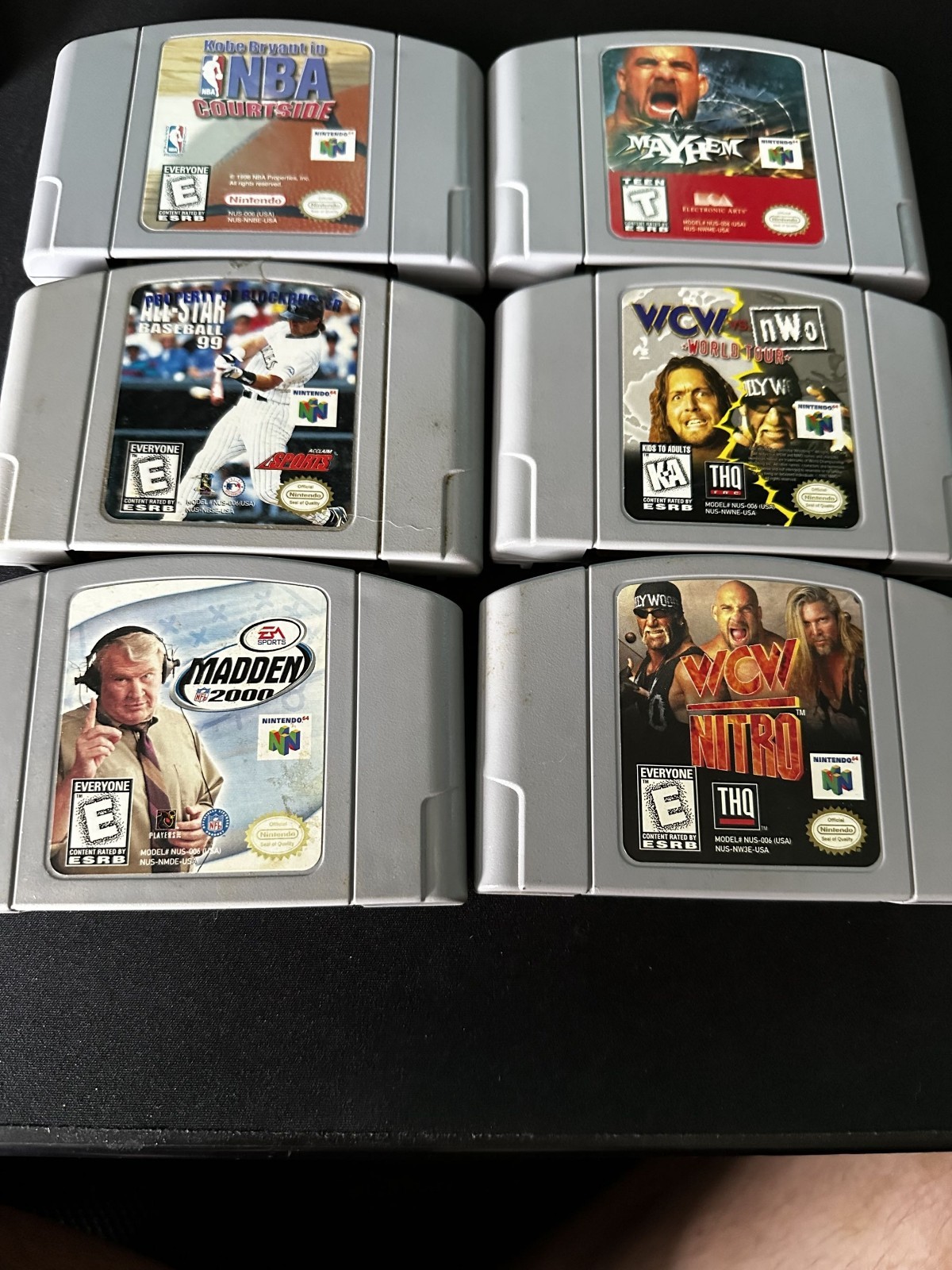
eBay links are affiliate links: JunkPal may earn a commission at no cost to you.
Resale values related to slimline
Shop slimline on eBay ↗
![Analogue Super NT [Ghostly]](/api/images/junkpal-products/games/analogue-super-nt-ghostly-super-nintendo-price/img0/thumb.webp)

JunkPal may earn a commission when you buy through eBay links, at no extra cost to you.
What’s worth the most
Ranked on medians of real closed eBay sales, not asking prices.