What does “sleeve” mean?
What it means
A sleeve, in the video game collecting niche, refers to protective plastic coverings applied to game cases, manuals, or cartridges. This is a direct equivalent to standard archival storage sleeves used for trading cards or comic books. The primary function is preservation—shielding the original artwork, spine, and plastic from abrasion, dust, and environmental factors like moisture fluctuations. While some sleeves are merely protective, others are "display sleeves" designed to mimic factory presentation, adding a layer of aesthetic appeal beyond basic protection. The material quality (e.g., polyethylene vs. archival polypropylene) dictates its long-term viability.
What it does to price
Sleeves do not inherently increase the intrinsic value of the game, but they directly stabilize and enhance *perceived* condition, which drives resale value. A game listed as "Complete in Box (CIB)" but housed in a pristine, clear, archival sleeve will command a higher premium than an identical copy loose or in a worn original sleeve. For high-demand titles, this difference can be 10-25% higher. For common titles, the impact is negligible. A copy of a rare, highly sought-after title (e.g., a limited edition RPG) that is professionally sleeved and sealed can fetch $20-$40 more than an identical, unsleeved copy due to the perceived investment in its preservation.
How to spot it
Genuine protective sleeves are typically made of clear, rigid, or semi-rigid plastic, often with a slight matte finish to prevent glare. Look for evidence of proper fit; a sleeve that is too tight or bulging suggests poor material or improper application. For high-end, display-grade sleeves, check for branding or specific material descriptions if the seller provides them. A common mistake is confusing a simple plastic bag with a proper, fitted sleeve. Fakes or low-quality sleeves are often flimsy, prone to yellowing (oxidation), or leave visible chemical residue on the cardboard upon removal.
Buying smart
Paying a premium for a sleeve is only justifiable when the item is rare, valuable, or in otherwise questionable condition. If a $10 game is being sold for $15 solely because it has a sleeve, the premium is unwarranted. However, for a $200 collector's item, paying an extra $10-$20 for a guaranteed, archival-safe sleeve is a sound investment to prevent future depreciation caused by damage. A fair deal involves the sleeve being clearly visible, intact, and matching the expected quality standard for that title's rarity tier.
Selling smart
Displaying the item within a high-quality sleeve significantly elevates the listing quality. It moves the item from "used" to "preserved." The single most effective element in a listing is a clear, high-resolution photo showing the game *inside* the sleeve, allowing the buyer to see the protective layer. Labeling the item as "Archival Sleeved" or "Mylar Protected" allows the seller to confidently price at the higher end of the market, justifying the premium through demonstrable care.
On eBay right now
Current asking prices from live listings — not sold-comp medians.


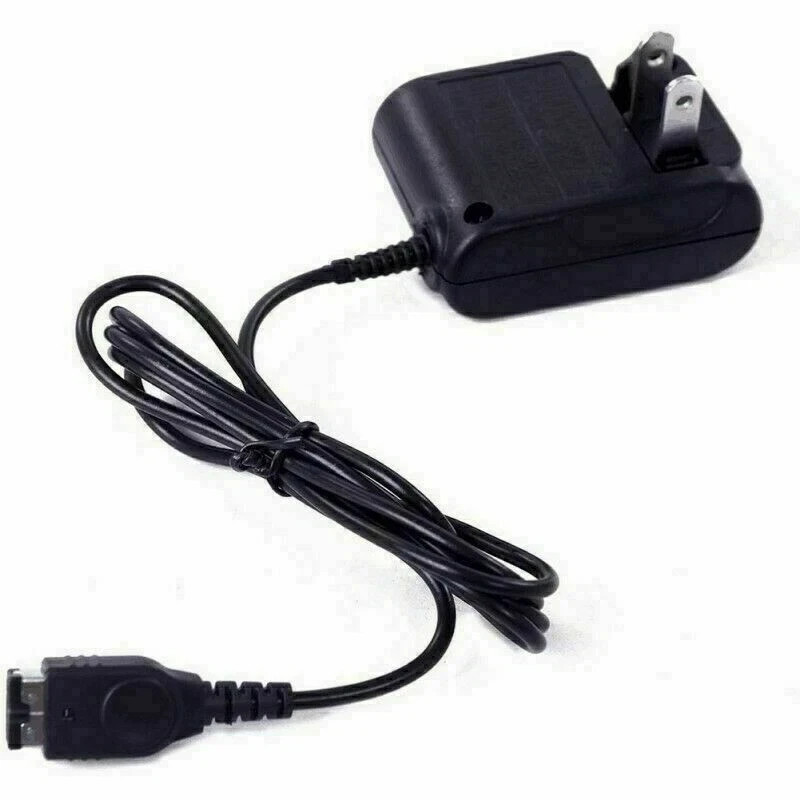


eBay links are affiliate links: JunkPal may earn a commission at no cost to you.
Resale values related to sleeve
Shop sleeve on eBay ↗

![Donkey Kong 64 [Not for Resale Gray]](/api/images/junkpal-products/games/donkey-kong-64-not-for-resale-gray-nintendo-64-price/img0/thumb.webp)
![Pokemon [Not for Resale Deoxys]](/api/images/junkpal-products/games/pokemon-not-for-resale-deoxys-nintendo-ds-price/img0/thumb.webp)

JunkPal may earn a commission when you buy through eBay links, at no extra cost to you.
What’s worth the most
Ranked on medians of real closed eBay sales, not asking prices.